

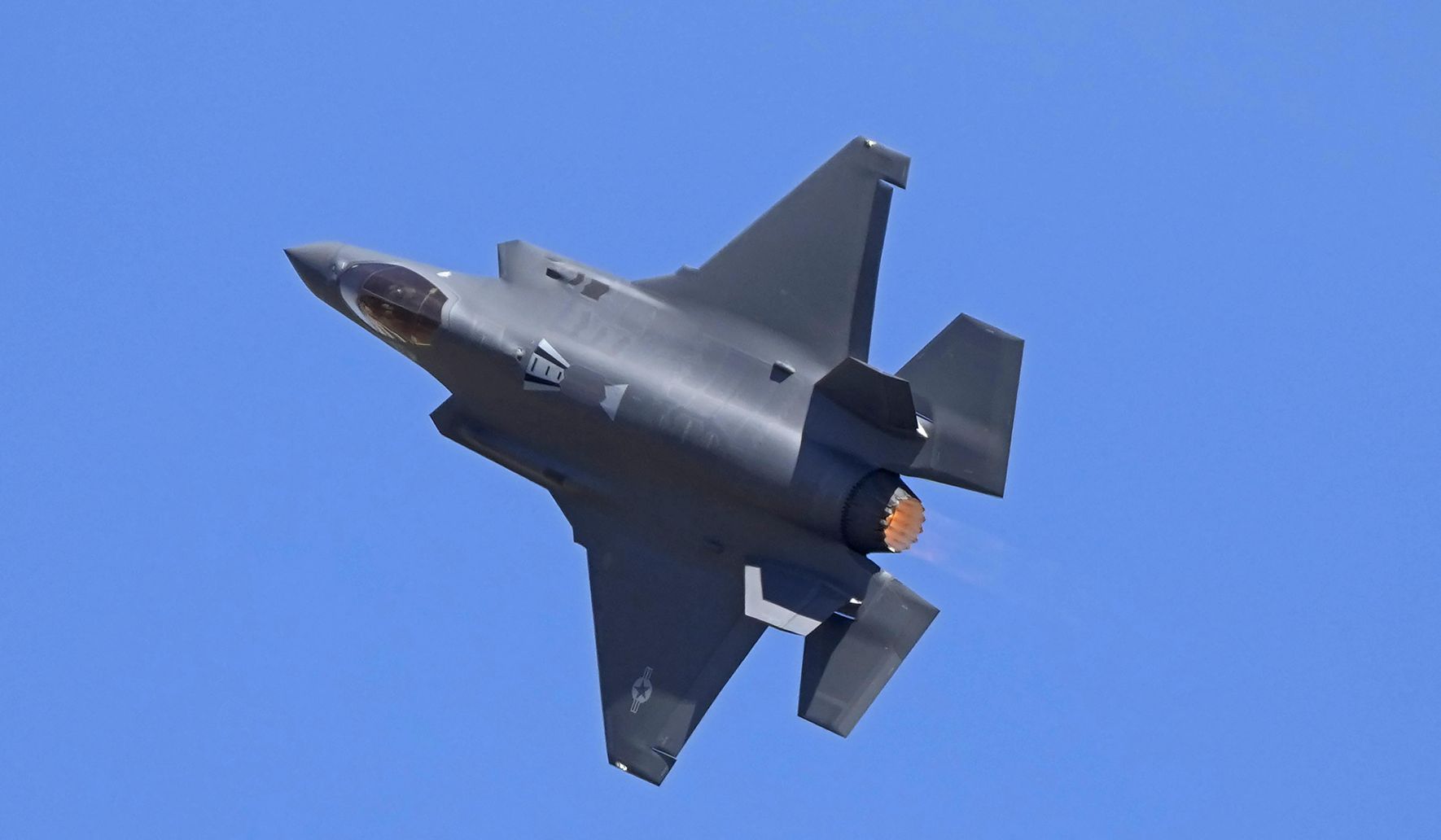
Israel has approved the purchase of two U.S.-built fighter jet squadrons, a move that tightens defense ties with Washington and signals a stronger deterrent posture in a volatile region.
The Israeli government has approved the purchase of two U.S.-built fighter jet squadrons for the Israeli air force. That single decision carries weight far beyond hardware: it affects training, logistics, regional signaling, and the balance of power around Israel. For Republicans who value strong allies and robust deterrence, the move reads as common-sense support for a close partner. It also reinforces the long-standing security partnership between the United States and Israel.
Buying two entire squadrons means a sustained commitment, not a one-off sale. Squadrons require pilots, maintainers, spare parts, and decades of coordination, so this is really about long-term interoperability. The choice of U.S.-built aircraft matters because it preserves commonality with American systems and ensures access to parts and upgrades. That continuity pays dividends in readiness and deterrence.
On the ground, the operational impact is straightforward: more aircraft and trained crews increase Israel’s ability to project airpower quickly and accurately. In an environment where threats are asymmetric and state-sponsored, air superiority is a vital insurance policy. It gives the Israeli Defense Forces options — from defending critical infrastructure to precision strikes when needed — without relying exclusively on partners in the moment of crisis.
There’s also a political angle. Approving such a purchase is a signal to regional adversaries that Israel is not isolated and that its air force will remain modern and capable. For U.S. policymakers who back strong deterrence, this transaction shows the United States continuing to play a central role in maintaining stability through strength. It reassures allies and warns adversaries that Israel’s defenses will be sustained.
Economically and industrially, deals like this usually include training packages and local support arrangements, which create technical jobs and deepen professional ties. Israeli maintenance crews learn systems that are broadly compatible with U.S. logistics chains, and that familiarity can speed up repairs and upgrades. The end result is an air force that can stay in the fight longer and return to missions faster.
From a strategic perspective, modern fighter squadrons contribute to deterrence in two ways: by denying opponents a free hand and by reducing the likelihood that conflicts will escalate unchecked. Airpower serves as a visible, scalable response option that can be used precisely or held as a deterrent. That flexibility matters to commanders and to civilian leaders who must avoid broader conflagrations while protecting national survival.
Training alongside U.S. forces and using U.S. logistics standards also makes coalition operations smoother if they are ever needed. When systems, procedures, and even spare parts align, multinational operations become simpler and more effective. For Republican policymakers who emphasize strong alliances and mutual defense, that interoperability is a clear strategic plus.
Critics sometimes raise concerns about regional arms races, but supporters argue that deterrence built on strong defenses reduces the chance of miscalculation. A capable air force deters adversaries from attempting limited strikes that could spiral into wider conflict. In this view, the purchase is a stabilizing move because it raises the cost for any actor contemplating aggression.
Approval of two U.S.-built squadrons also reflects confidence in long-term planning within the Israeli military and government. Decisions like this are not made casually; they reflect assessments of threat, budget priorities, and strategic partnerships. For Republicans focused on principled foreign policy and realpolitik, backing a reliable ally’s right to defend itself is consistent with both values.
Ultimately, the purchase will play out over years as aircraft arrive, crews train, and basing and maintenance arrangements are finalized. What matters now is that the decision sends a clear message: Israel will continue to modernize and the United States remains central to that effort. That combination of capability and partnership shapes the regional balance for the foreseeable future.

