

A clear, direct look at the political and strategic questions raised by American involvement with Iran and how conservative voices are reacting to the rising tensions.
Conservative voters and commentators are pushing back on what they see as a drifting U.S. strategy toward Iran, and that pushback is rooted in a demand for clear goals and accountable leadership. The debate mixes national security, fiscal restraint, and concern for American lives, and it has become a litmus test for politicians who claim to stand for limited, effective power. At its core, the argument asks whether current actions actually protect U.S. interests or simply expand commitments without a plan.
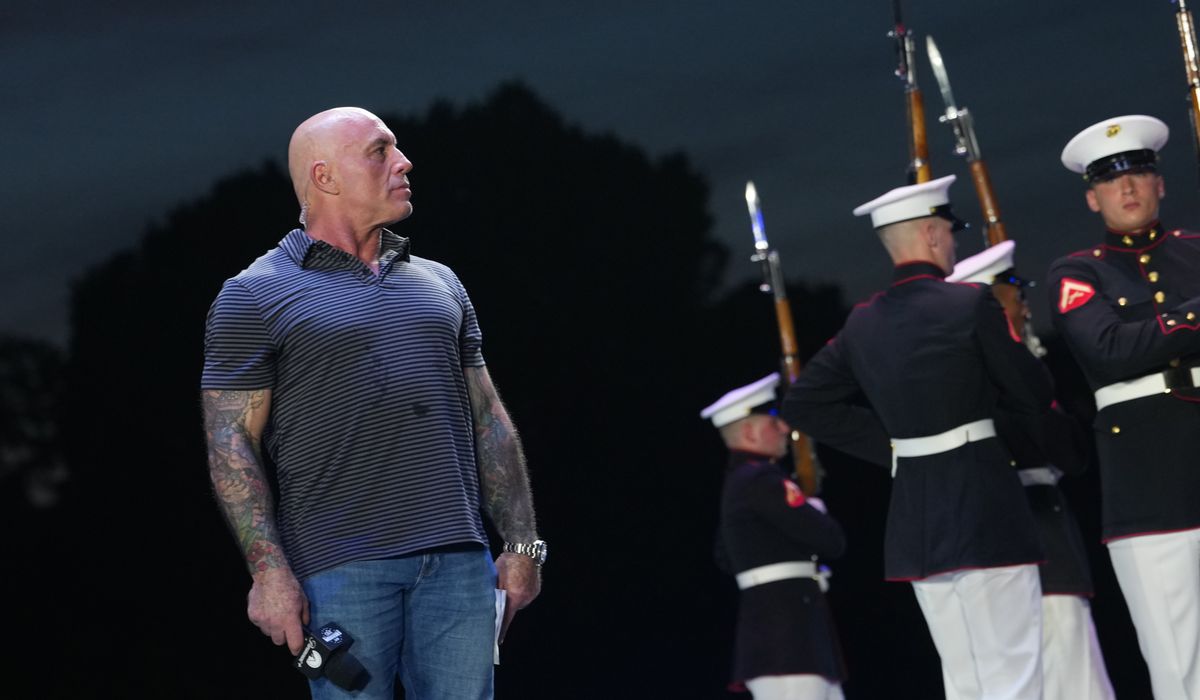
Public figures across the spectrum have voiced unease, and some of the strongest reactions come from conservative-leaning media and personalities. That unease focuses on the possibility of mission creep, where a narrow objective turns into a long, undefined engagement. In that context, the comment from Joe Rogan resonates: “This war is not something anybody that’s conservative wanted.”
The conservative case here is straightforward: support for a strong defense does not mean backing leadership that drifts into open-ended conflict. Voters who prioritize limited government expect any use of force to be tightly bounded by achievable objectives. They also want Congress to exercise its constitutional role in authorizing military action so citizens can see where commitments begin and end.
Fiscal and human costs are central to the argument against escalation, and conservatives are emphasizing both. Taxpayers will pay for long-term entanglements, and conservatives worry those costs divert resources from domestic priorities like infrastructure and veterans care. There is also a moral dimension: sending troops into unclear fights risks needless casualties without clear political benefit.
At the same time, Republicans generally accept that deterrence and credible defense matter, and they want any response to Iran to be effective and proportionate. That means targeting capabilities, not chasing headlines, and maintaining pressure through economic and diplomatic tools as well as military options. The aim should be measurable results that reduce the threat to American citizens and partners, not symbolic strikes that invite retaliation or deeper involvement.
Accountability is another frequent theme: conservative leaders are calling for clarity about what success looks like and how long the public should expect continued operations. They want reporting requirements and timeframes built into any authorization so voters can judge progress. Without that transparency, support erodes quickly and skepticism grows.
Finally, conservatives push for prioritizing American interests at home while keeping adversaries in check abroad. That balance demands judicious use of force, thorough oversight, and a diplomatic roadmap that includes allies and regional partners. If policymakers deliver a clear strategy with defined goals and exit conditions, they can earn conservative trust; absent that clarity, skepticism and resistance will only deepen.


1 Comment
Not one word mentioned the nature of the Iranian rulers or their policies since 1979. After Pearl Harbor, both parties, the media, and the public supported FDR. Even the Communist Party of the USA supported FDR, but that was only because Germany had already attacked the USSR. Now, as in every other “kinetic action” by the US, the communists are against the US.