

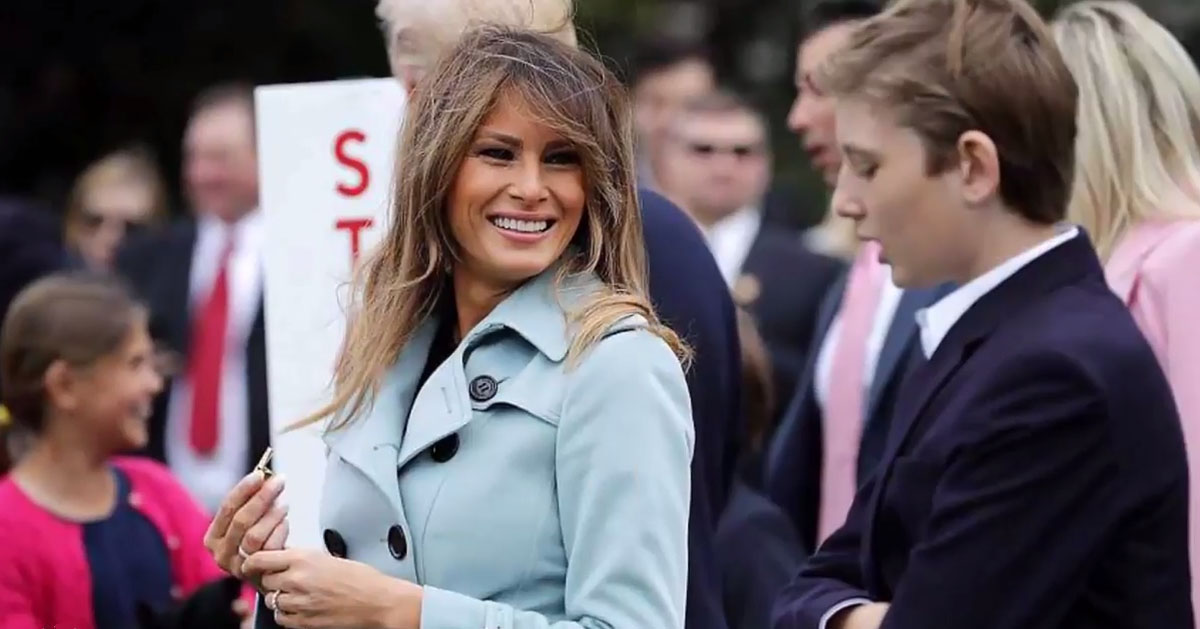
Jonny Greenwood has asked that his Phantom Thread score be removed from the Melania documentary, sparking a public dispute that highlights rights, contracts, audience reaction, and big-studio economics.
Jonny Greenwood, co-founder of Radiohead and composer of the 2017 film score for Phantom Thread, has formally requested that his music be stripped from the Melania documentary. He and director Paul Thomas Anderson demanded that the song “Barbara Rose,” originally composed for the Paul Thomas Anderson-directed Phantom Thread, be pulled from the film about the first lady.
A representative for Greenwood framed the complaint as a breach of agreement with the studio rather than a case of unauthorized use, pointing to the relationship between creator and rights holder. The exact words issued by Greenwood’s camp were left intact and sharply stated to emphasize the contractual issue.
“It has come to our attention that a piece of music from ‘Phantom Thread’ has been used in the ‘Melania’ documentary. While Jonny Greenwood does not own the copyright in the score, Universal failed to consult Jonny on this third-party use which is a breach of his composer agreement. As a result, Jonny and Paul Thomas Anderson have asked for it to be removed from the documentary.”
There is a clear legal reality at play: Greenwood does not own the copyright; Universal does. The studio, as rights holder, licensed the track, and the dispute rests on whether Universal should have run this specific third-party use past Greenwood under the terms of his composer agreement.
Composers in the film business routinely sign contracts that assign rights to studios, and Greenwood’s deal appears to follow that same industry pattern. The public angle, however, turns a contractual detail into a narrative about artistic control that will drive headlines and public debate.
The timing and tone of the demand suggest this is as much about perception as it is about legal rights, and that distinction matters. When a composer objects to a placement connected to a politically charged figure, the objection reads differently than a routine licensing dispute.
Audience reaction to the Melania documentary tells an interesting story about culture and taste. Verified audience users on Rotten Tomatoes reportedly gave it a 99% approval rating, an overwhelming thumbs-up from moviegoers even as mainstream critics panned the film.
That kind of split between critics and general viewers is now one of the clearest cultural signposts we have, and it often signals a disconnect between elite gatekeepers and regular audiences. When critics mostly dislike something and real viewers embrace it almost unanimously, the political and cultural stakes get sharper.
Amazon MGM’s investment in the project has also become a talking point, and the studio is already framing the film as part of a broader content strategy. Kevin Wilson, Amazon MGM’s head of domestic theatrical distribution, described the opening as promising and noted plans to extend the material into a docu-series that will reach Prime Video audiences.
Reported budgets are substantial: Amazon MGM Studios reportedly spent $40 million on the documentary and invested another $35 million in marketing. The film earned under $10 million in its opening weekend, figures that critics use to question the investment while missing the long-tail value an owned streaming platform can extract.
Assessing a streaming-era documentary purely by its theatrical launch misses the full business model that now drives studios with streaming arms. Box office is only one metric; views, subscriptions, retention, and downstream licensing can all convert a cultural moment into long-term returns for a studio willing to play the long game.
All of this raises a bigger cultural question about selective conscience in the arts and entertainment industries. Would Greenwood have issued this very public demand if the placement had been for a project embraced by the cultural left? That is a fair, politically charged question for observers to consider.
If Universal did breach its composer agreement, Greenwood has every right to pursue the matter through the appropriate legal channels with the studio. But the public spectacle of demanding removal transforms a private contract dispute into a political signal, and that choice has consequences for reputation and public discourse.
“We’re very encouraged by the strong start and positive audience response, with early box office for ‘Melania’ exceeding our expectations.”
The documentary chronicles 20 days in the first lady’s life before President Donald Trump’s second term in office, offering a portrait of a woman who has faced intense scrutiny. Whether one agrees with the film or not, the raw audience response and the studio’s strategy will determine how this controversy plays out beyond headlines and legal filings.

