

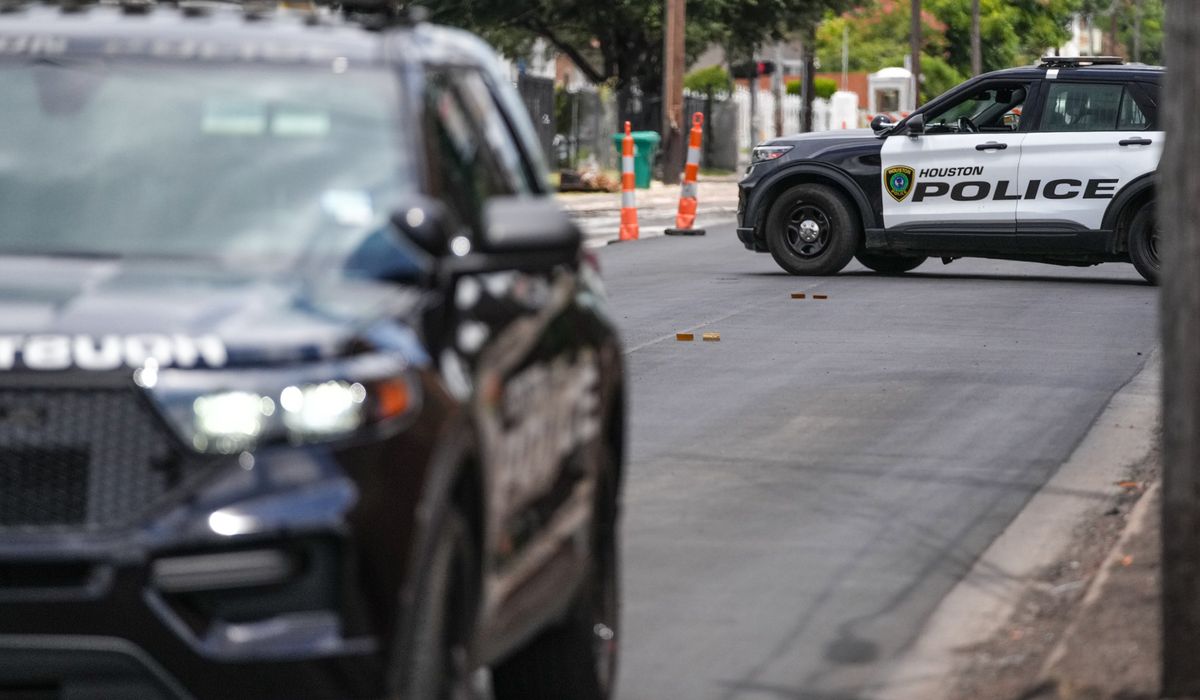
A federal judge has blocked the deportation of a witness connected to the fatal shooting of a Mexican homebuilder by federal immigration officers during a traffic stop in Houston.
The case centers on a traffic stop in Houston that ended with the death of a Mexican homebuilder and has since drawn legal scrutiny. Federal immigration officers were involved in the encounter, and the person who saw what happened was facing removal before a judge intervened. The court order prevents that deportation while legal proceedings move forward, preserving the witness’s ability to give testimony.
The judge’s order is narrowly focused: it halts deportation of a specific witness rather than changing immigration policy across the board. That procedural step buys investigators and lawyers time to secure testimony and evidence without the witness being sent out of reach. In practice, it means the criminal and civil aspects of the case can proceed with the key testimony in play.
This ruling highlights a recurring tension between immigration enforcement and the pursuit of justice in criminal matters. Federal immigration actions are meant to uphold border security and immigration law, but when they intersect with investigations, courts sometimes step in to avoid disrupting fact-finding. The order shows the judiciary asserting its role to ensure trials and inquiries are not undermined by removals before testimony is secured.
From a Republican perspective, the balance is straightforward: support law enforcement and the rule of law while insisting that officers follow clear procedures that protect due process. We can back strong immigration enforcement and still demand that crucial witnesses remain available for justice to be served. Officers and agencies should have protocols that prevent accidental interference with investigations while they carry out deportation responsibilities.
The local community in Houston is watching closely, especially those who work in construction and other trades where immigrant labor is common. Incidents like this can chill cooperation with law enforcement if witnesses fear that providing information could trigger immigration action. Maintaining public safety depends on people coming forward, and legal safeguards that protect essential testimony help preserve community cooperation.
Practical fallout from the judge’s order will play out in court papers, depositions, and likely motions over how evidence is handled and what protections witnesses receive. Lawyers for all sides will use the breathing room to press their positions and define what the witness can legally be compelled to say. The justice system moves slowly by design, but this pause is aimed at avoiding a rushed outcome that denies the factfinder needed information.
There are broader implications for how federal agencies coordinate. When immigration enforcement and criminal investigations overlap, agencies must communicate clearly to avoid undermining prosecutions or civil suits. That calls for written protocols and training so that officers know when to defer removal actions until they can confirm a witness’s testimony has been preserved.
Reactions will split along familiar lines: those who prioritize strict immigration controls will stress the need for enforcement consistency, while civil liberties and immigrant-rights advocates will emphasize protecting witnesses from deportation when their testimony is integral to justice. Both arguments matter, and the court’s decision reflects a legal system trying to reconcile competing priorities without abandoning either one.
The process is not over. Expect hearings to clarify the scope of the judge’s order and litigation over whether similar protections should apply in other cases. Meanwhile, the legal system will proceed with the witness available to contribute, and the facts of the fatal shooting will be examined in court rather than being clouded by premature removal. The case will test how well enforcement and accountability can coexist under real-world pressure.

