

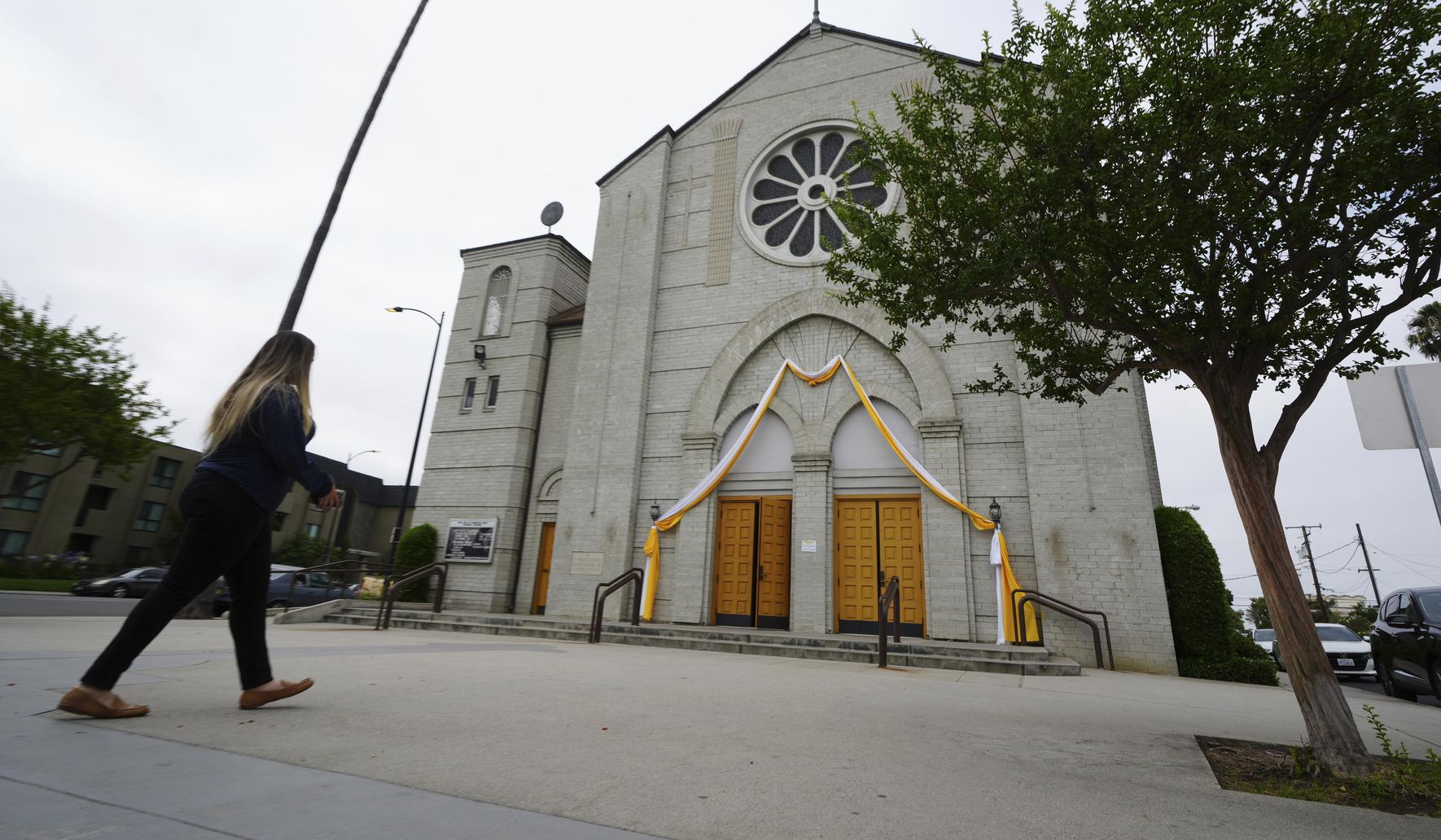
A federal judge has blocked ICE from making arrests inside churches except when a clear, immediate threat to public safety exists.
The judge ruled Friday that U.S. Immigration and Customs Enforcement moving to arrest people inside houses of worship crosses a constitutional line and violates religious liberty. The order prevents routine enforcement actions at churches unless agents can point to an urgent danger that justifies breaking that normally protected space. That puts religious freedom front and center against routine immigration enforcement practices.
This decision answers a real tension: congregations expect their sanctuaries to be safe places, and many Americans want law enforcement to respect those boundaries. At the same time, Republicans are focused on secure borders and enforcing immigration laws that keep communities safe. The ruling forces a clearer balancing test so agents can’t treat churches like generic public locations.
From a Republican perspective, protecting worship spaces is consistent with our respect for institutions that bind communities together. But protecting churches shouldn’t become a blanket shield for dangerous individuals who pose immediate threats. The order’s carve-out for immediate public safety threats acknowledges that law enforcement still needs tools when lives are at risk.
Practically, the court’s order requires ICE to be more deliberate and transparent about when it chooses to act inside a house of worship. Officers will need to document why an arrest inside a church is unavoidable and tied to a real-time danger. That procedural hurdle won’t stop legitimate enforcement where imminent harm is present, but it will curb sweeping in-church operations that alarm worshippers.
Church leaders and congregants now have clearer protections against sudden enforcement actions that disrupt services and deter people from seeking aid. That clarity should reassure parishioners who feared worship could become a staging ground for raids. Yet it also puts pressure on communities and law enforcement to cooperate where threats exist, so churches aren’t misused as safe havens from violent behavior.
The ruling also raises questions about consistent policy across federal agencies. If ICE must limit arrests at religious sites, other agencies will face similar scrutiny when operations touch on protected spaces. That could lead to updated federal guidance clarifying when officials can enter schools, hospitals, and places of worship without violating constitutional or statutory protections.
Republicans can use this moment to argue for sensible rules that protect religious liberty while preserving necessary enforcement powers. Lawmakers could demand reporting and oversight so exceptions for public safety are not abused. Clear standards protect both faithful Americans and communities that rely on effective policing to prevent crime.
Civil liberties matters like this often end up in court because public policy lacked clear boundaries ahead of time. The judge’s injunction is a judicially imposed boundary that will survive only so long as it’s grounded in legal reasoning and public acceptance. If Congress or the administration prefers a different balance, the path is to write clearer, statutory rules that address both safety and freedom.
The decision will inevitably draw political debate: supporters of strong immigration enforcement will worry it hinders operations, while advocates for sanctuary protections will see it as a victory. From a Republican standpoint, the smart response is to uphold religious freedom and demand accountability, not to abandon enforcement or tolerate legal gray zones. That approach keeps communities safe without turning churches into a lawless space.

