

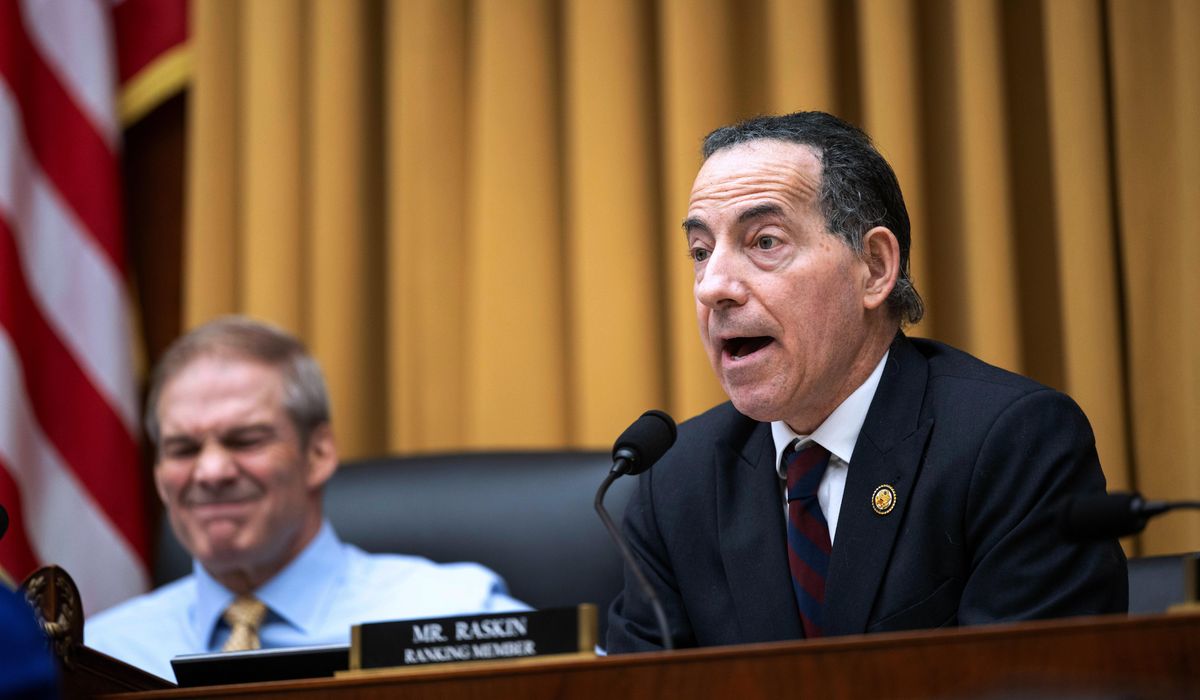
The House Judiciary Committee’s top Democrat has kicked off an inquiry into claims that the Department of Justice paid out millions to pro-Trump FBI agents who were fired during the Biden administration, and that move has opened a political fight over accountability, partisan influence, and how taxpayer money is being spent.
The allegation is straightforward: millions of dollars were reportedly directed to former FBI personnel described as pro-Trump after they lost their jobs under the Biden administration. That claim alone raises plain questions about motive and process. People across the aisle should want clarity about whether taxpayer funds were used appropriately.
From a Republican viewpoint, the optics are ugly and the stakes are concrete. If political loyalty to a president or faction is being rewarded with settlements, it corrodes trust in law enforcement institutions built on neutrality. Republicans will argue that the public deserves evidence that decisions were based on law, not politics.
The Judiciary Committee plays a central role in oversight and is the right venue for digging into this. The committee has authority to subpoena records, compel testimony, and probe how settlement decisions were reached inside the Justice Department. Expect a push for documents that outline authorization, amounts paid, and who signed off on those payments.
There are procedural angles worth watching. Settlements and payouts can be routine tools to resolve employment claims, but the key is transparency. Democrats running the inquiry may frame it as routine accountability, while Republicans will frame it as political favoritism unless the DOJ shows clear, documented legal reasons for the payments.
Financial transparency matters because the sums involved are described as “millions,” and taxpayers have a right to know why such funds were spent. Was there a legitimate legal exposure that made settlement cheaper than litigation, or was this a backroom deal to protect political allies? Those are legitimate lines of inquiry that Republicans will press hard.
The fallout could be political and institutional. If the payments were made without adequate justification, the DOJ risks losing credibility with lawmakers who expect nonpartisan, evidence-based decision-making. Republicans will likely demand reforms to prevent similar situations, including tighter review rules for settlements involving politically sensitive employees.
At the same time, it’s possible the DOJ will defend the payouts as routine legal strategy or as necessary to avoid costly litigation and discovery. That defense won’t be persuasive to people who view the situation through a political lens, but it is a common legal rationale agencies use in comparable employment disputes.
The broader picture is about norms and accountability. Whether the focus is on preventing politicized personnel decisions or on ensuring settlements follow honest legal assessments, the outcome of this inquiry will influence how future cases are handled. Republicans will emphasize the need for hard evidence and firm corrective steps if wrongdoing is found.
Lawmakers on both sides will be watching committee hearings, document productions, and any voluntary disclosures from the Justice Department. Expect Republicans to press for names, dates, and detailed financial records, while Democrats may highlight internal legal advice or past precedents. The coming weeks should reveal how deep this issue runs and whether reform follows.

