

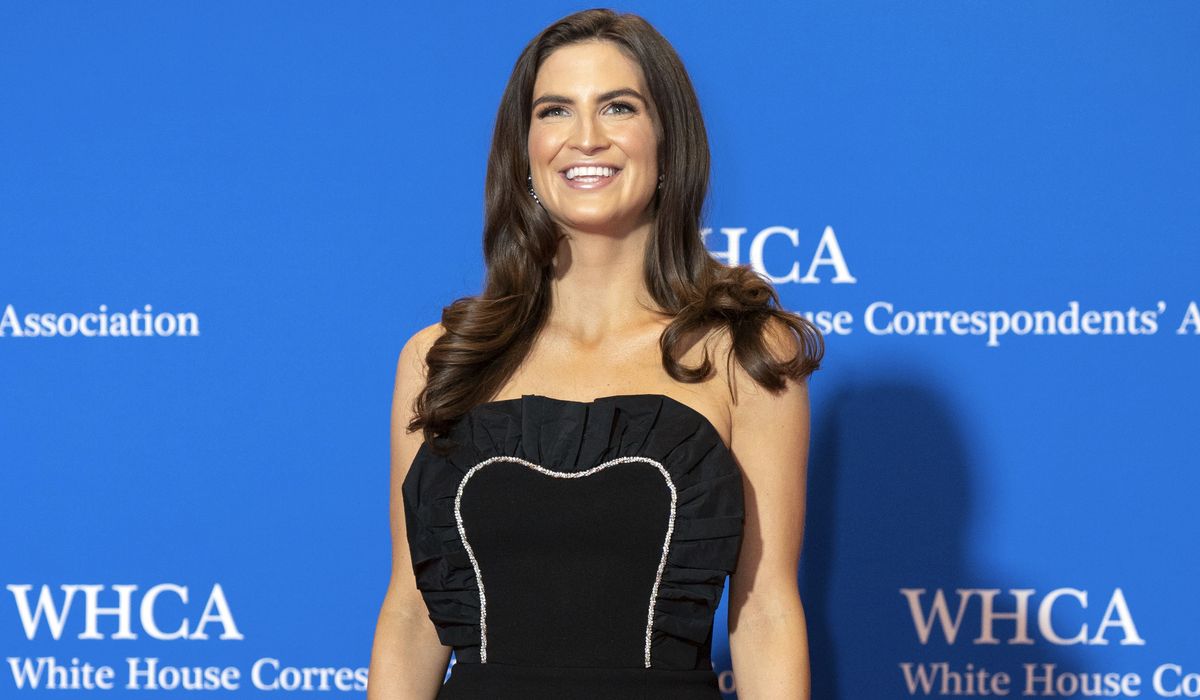
CNN correspondent Kaitlan Collins told Comedy Central’s “The Daily Show” that President Trump has little tolerance for reporters who challenge him directly, and the exchange highlights the fraught relationship between a combative press corps and an administration that answers back hard and fast.
Kaitlan Collins spoke on a late-night program about the kind of pushback that comes when reporters press the president on tough topics. Her observation captures a broader pattern: when questions are framed as confrontations instead of information gathering, the White House often responds with sharp rebuttals. That dynamic has been a defining feature of recent coverage and it reshapes how reporters approach briefings and interviews.
Collins has built a profile covering high-stakes political moments and her comment on “The Daily Show” reflects frontline realities most journalists face. In rooms where optics matter, testing the president directly can produce rapid, dismissive replies and a shortening of available access. Reporters who expect neutral, predictable exchanges discover instead a political theater where tone and intent matter as much as facts.
From a Republican perspective, this pushback is not surprising and can even be seen as appropriate. Presidents answer for policy and leadership, and when questioning turns into adversarial sparring, a firm response can be warranted. That does not excuse rudeness, but it does explain why administrations sometimes clamp down or spar in public rather than allowing repeated antagonism to set the narrative unchallenged.
The practical fallout of that attitude is visible in how interviews are arranged and how press availability is managed. When the president senses a hostile line of questioning, staff may limit time, move to safer formats, or shut down exchanges that feel unfair. Those choices affect how the public receives information and they raise questions about whether access is being used as leverage to demand civility from the press corps.
Critics argue this approach chills tough reporting, while defenders say it forces reporters to sharpen questions and focus on accuracy rather than theatrics. There is truth to both sides: adversarial journalism plays a critical oversight role, but when it abandons basic civility it loses influence with audiences who prefer clear, accountable discourse. The lesson for reporters is simple—be precise, avoid theatrics, and build credibility so tough questions land without looking like ambushes.
Polls and public reaction make it clear that the spectacle around press encounters affects trust in the media and in government alike. A combative press that seems partisan undermines its own authority, and a president who retaliates against tough questions risks appearing thin-skinned. Both errors widen the trust gap and push more people to siloed media outlets that confirm bias instead of testing claims.
In practice, improving this relationship will require better norms on both sides: reporters who insist on facts and fairness, and officials who tolerate scrutiny without reflexive dismissal. Collins’ comment on “The Daily Show” is a snapshot of that tension—an honest admission that when questions become challenges, the reaction from the top can be swift and unmistakable. The interactions between press and presidency will keep shaping how information flows, and how citizens judge both institutions remains an open question.

