

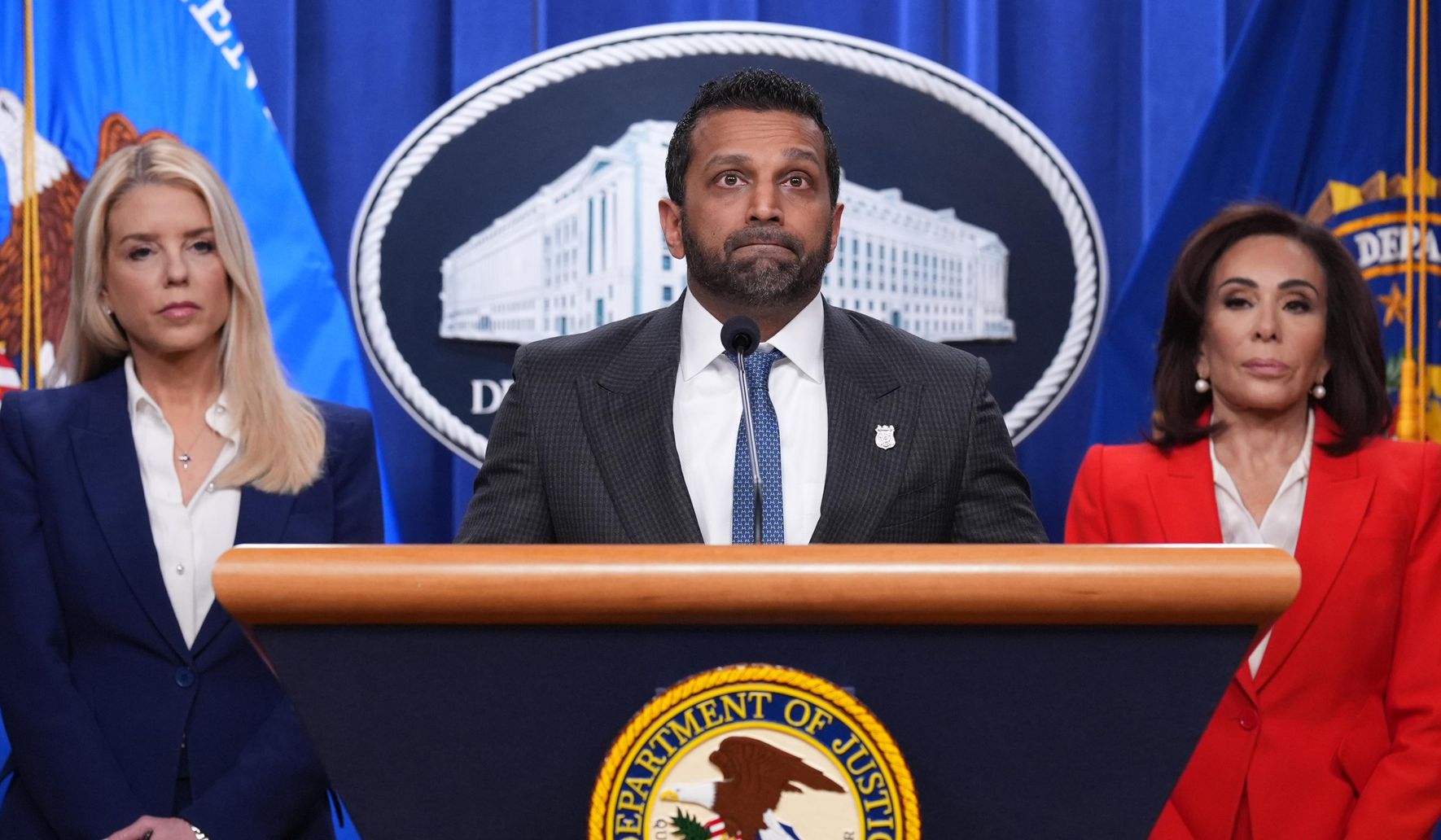
The recent wave of firings at the FBI, ordered by Director Kash Patel, has prompted sharp reactions inside the agency, with sources saying employees “have been caught between the opposing political priorities of the Trump and Biden administrations,” and those tensions are affecting operations, morale, and public confidence.
The changes at the top have not been quiet. Agency insiders describe a string of dismissals that came quickly and with little public explanation, leaving many career staff scrambling to understand new directives and priorities. That uncertainty is the backdrop to the broader debate about how the bureau should be led.
Republican critics and some rank-and-file agents see the purges as a long-overdue effort to reset priorities after years of perceived politicization. Supporters argue Director Kash Patel is removing partisan holdovers to restore a sharper focus on core threats. Opponents counter that rapid turnover risks creating gaps and eroding institutional knowledge.
People inside the building tell a simple story: employees feel squeezed. Agency sources say employees have been caught between the opposing political priorities of the Trump and Biden administrations, and those pressures have filtered down into everyday casework and investigations. That sort of tug-of-war makes it harder for agents to pursue long-term investigations without fear of sudden changes in direction.
Operational continuity matters for national security and public safety, and frequent leadership shifts complicate it. Investigations rely on deep expertise, relationships, and uninterrupted timelines, and personnel disruptions can slow progress or force reassignments. Critics warn that a revolving door at senior levels translates to uncertainty in the field.
From a Republican point of view, leadership replacements can be necessary to fix bias and inefficiency that took root under previous managers. The goal, supporters say, is a merit-based, mission-focused bureau that answers to the Constitution, not to partisan priorities. Yet even reformers must acknowledge that how changes are made matters as much as why.
The morale picture is mixed but real: some agents welcome new direction, while others fear for their careers. When people worry that promotions or terminations hinge on political winds, recruiting and retention suffer. A functioning bureau needs career professionals confident they will be judged on competence and results, not on political affiliation.
Oversight and transparency should play roles in this transition, but they rarely calm partisan debate. Lawmakers across the spectrum will demand explanations, and oversight committees will probe whether decisions were legal, justified, and in the public interest. The bureau’s credibility depends on clear, consistent communication about personnel choices tied to performance and mission needs.
For the public, the core concern is simple: who is protecting them and how effectively. When internal politics dominate headlines, confidence in the FBI takes a hit and adversaries take notice. Leaders who want long-term gains must pair necessary personnel changes with policies that strengthen investigations, protect whistleblowers, and shield day-to-day policing from partisan swings.
The coming months will test whether these firings amount to meaningful reform or a disruptive reset that undermines vital work. Agency sources are watching how replacements perform and whether institutional routines stabilize. What matters now is steady leadership that holds people accountable while preserving the expertise the bureau needs to carry out its mission.

