

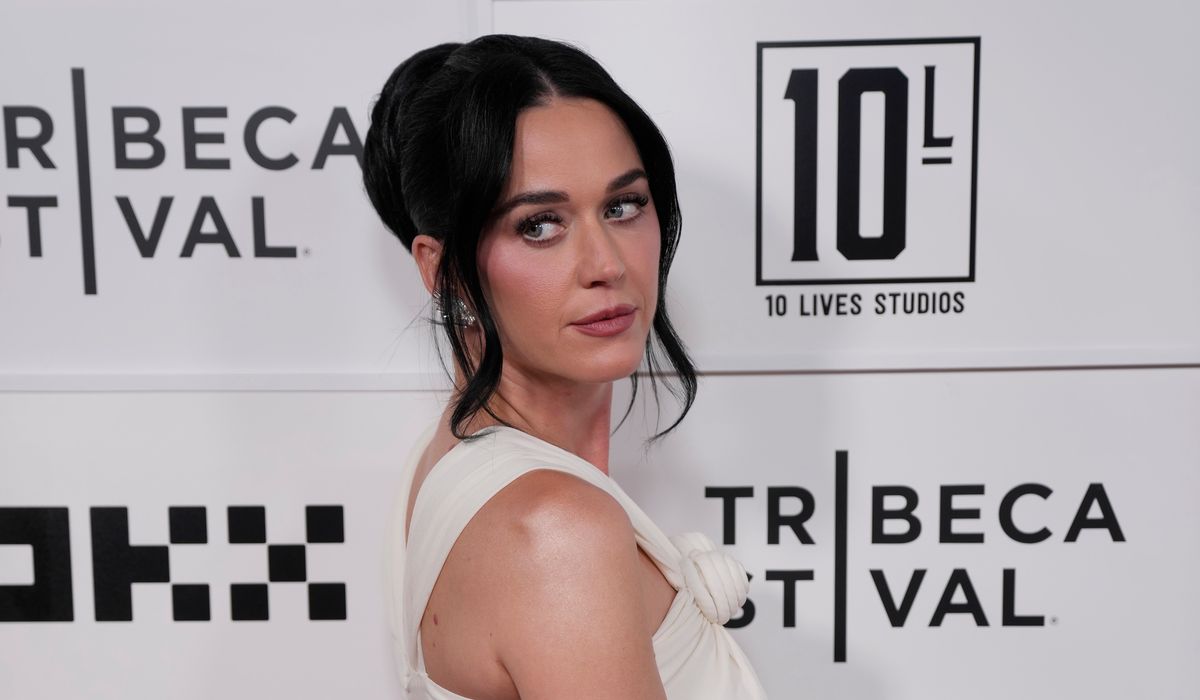
Katy Perry says she was “appalled” after the White House used her song without her approval in a TikTok tied to military strikes on Iran. The incident raises questions about artist consent, presidential messaging, and the mixing of pop culture with serious national security topics.
The White House posting a TikTok with a pop song attached to footage about military action looks like a tone-deaf move, and it’s easy to see why people are upset. When a piece of entertainment is repurposed to score a moment of state violence, it crosses into a debate about respect, consent, and the optics of messaging. That debate matters because public trust in government messaging depends on how deliberate and respectful officials are with cultural touchstones.
At the center of this story is a blunt public reaction from the artist herself. The text circulated: KATY PERRY “appalled” that White House used her song “Firework” in a TikTok video about military strikes on Iran: “I did not approve this, I was not asked, and I absolutely do
Artists have a right to control how their work is used, and the administration should know that better than anyone. Using a chart-topper to soundtrack footage of military action makes the music industry look like a political arm, whether or not that was intended. Conservatives can argue for strong national defense while still insisting that cultural creators not be co-opted without consent.
This episode illuminates three overlapping problems: messaging judgment, legal and licensing clarity, and the political consequences of mixing entertainment with state action. Messaging judgment is about whether officials considered how the public would interpret the pairing of a pop anthem with images of strikes. The optics matter: citizens expect seriousness and restraint when national force is involved.
On licensing, the mechanics can be messy. There are blanket licenses and platform deals that sometimes allow content to be paired with music, but those technicalities don’t erase the moral question of permission. Even if a platform’s terms permit reuse, using a song in imagery of violence without the artist’s blessing feels wrong to many people. A conservative viewpoint here is simple: follow the law, but also respect creators and avoid sloppy optics.
Politically, this plays differently for different audiences. Some will see the post as a robust display of resolve; others will view it as trivializing serious actions. For Republicans who favor clear, direct communication, this moment suggests a lack of discipline from the administration’s communications team. Strong leaders understand that the messenger and the music both shape how policy is received.
There are also national security angles worth noting. TikTok remains controversial because of its ties abroad and its opaque algorithm, and using it for official messaging on military matters invites scrutiny. Conservatives who are wary of foreign-influenced platforms will see this as another reason to keep official communications on secure, accountable channels. The medium matters as much as the message when you are talking about use of force.
Public reaction is unpredictable, and the administration will have to manage fallout. An apology, clarification of licensing practices, or an explanation of oversight would be the basic steps most Americans expect. Republicans will press for clearer standards: no co-opting of cultural work to soundtrack warfare and transparent controls on official social media accounts.
This case should be a reminder to administrations of all stripes: be deliberate with cultural symbols, get consent when feasible, and choose channels that match the gravity of the subject. The goal isn’t censorship of policy communication, it’s better judgment and respect for creators. That kind of discipline is a conservative value—respecting property, honesty, and the seriousness of national decisions.
The bigger lesson here is practical. If the government wants to explain actions overseas, use sober, direct language and platforms that convey authority rather than viral entertainment. Mixing pop music with footage of strikes risks undermining the seriousness of the mission and the credibility of official communications. Law, ethics, and optics all point to the same conclusion: handle cultural assets with care, especially when national security is involved.

