

Kevin Rudd has resigned as Australia’s ambassador to the United States after a brief, controversial run that began in March 2023. His departure—now set for March 31, 2026—follows renewed scrutiny of old social media posts where he sharply criticized President Donald Trump. Rudd is leaving to lead the Asia Society as global president and head its Center for China Analysis, and the move has reopened questions about diplomatic judgment and Australia’s representation in Washington.
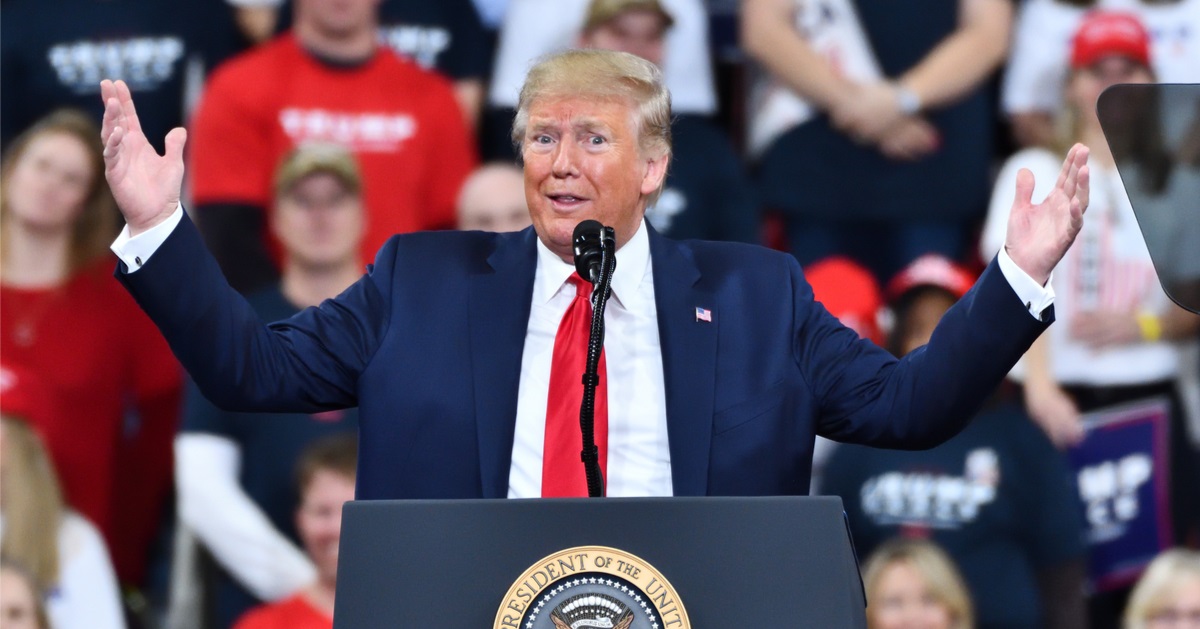
Rudd left his ambassador post under a cloud: deleted social media comments from years past resurfaced and showed he had called Trump a “village idiot” and “the most destructive president in history,” and even labeled him a “traitor to the West.” Those lines have been replayed to argue he brought baggage to a post that depends on stable ties with the United States. For a country where alliances matter, those old words stuck like barnacles on a hull.
He announced his resignation on a Tuesday, saying he will take up a new position as global president of the Asia Society and head its Center for China Analysis, with his term now ending on March 31, 2026. Rudd began the role in March 2023 during President Joe Biden’s administration, so his Washington assignment runs a shorter course than first planned. Officials say he’ll split time between New York and Washington in the new job, staying engaged in U.S.-China issues.
The social media fallout didn’t happen in a vacuum. At a White House meeting last October, Rudd acknowledged his prior statements and got a blunt response from Trump: “I don’t like you either and I probably never will.” That exchange was vivid and awkward, and it undercut any smooth start he might have hoped for in the American capital. A White House official later told press that “Ambassador Rudd worked well with President Trump and the administration. We wish him well.”
From a Republican perspective, the optics matter more than polite platitudes. You need envoys who can walk into an Oval Office and keep the conversation on policy, not past grudges. Critics say Rudd’s earlier comments were a clear mismatch for a posting where bipartisan trust and steady, predictable relations are nonnegotiable. Actions that blow up a bridge before you cross it aren’t the sort of thing allies should shrug off.
Australian Prime Minister Anthony Albanese praised Rudd and said he “delivered concrete outcomes for Australia,” but even a positive performance on paper can be overshadowed by credibility gaps. The fact his departure was moved up from an expected 2027 exit to March 31, 2026, suggests both sides saw an opening to shift him into a role that fits his public profile on China. That pivot highlights how diplomatic posts and think-tank positions attract different expectations and tolerance for blunt commentary.
Political reaction in Australia was immediate and pointed. Pauline Hanson of One Nation publicly declared Rudd unfit for the job after the White House exchange, arguing his past remarks made him a liability in Washington. Her criticism reflects a broader worry from some quarters: that a diplomat who antagonized key American figures before arriving risks weakening a strategic partnership. In a time of rising tensions with Beijing, skeptics want representatives who can deliver steady, practical cooperation without drama.
Rudd himself framed his time in Washington as an “honour” on X and emphasized U.S.-China relations as the focus of his next chapter. His new post at the Asia Society will give him a platform to shape debate on China policy and regional strategy, areas where his voice has long been loud. Still, having a public intellectual and former prime minister trade sharp words on social media and then represent Canberra can leave durable questions about judgment.
As officials search for a successor, the stakes are plain: Australia needs a steady envoy in Washington who can manage alliances amid geopolitical friction. Albanese has promised a replacement “in due course,” but until that person arrives, the partnership will be watched closely. While Rudd moves to a prominent policy role, his time as ambassador will be dissected as an example of how past rhetoric can complicate contemporary diplomacy.
Rudd’s exit also signals a shift in how Canberra thinks about talent placement—some people are better in policy fora than in the ceremonial and fragile world of frontline diplomacy. His work at the Asia Society may keep him influential on U.S.-China issues, but the questions raised by his earlier comments are likely to linger in diplomatic circles and public debate.

