

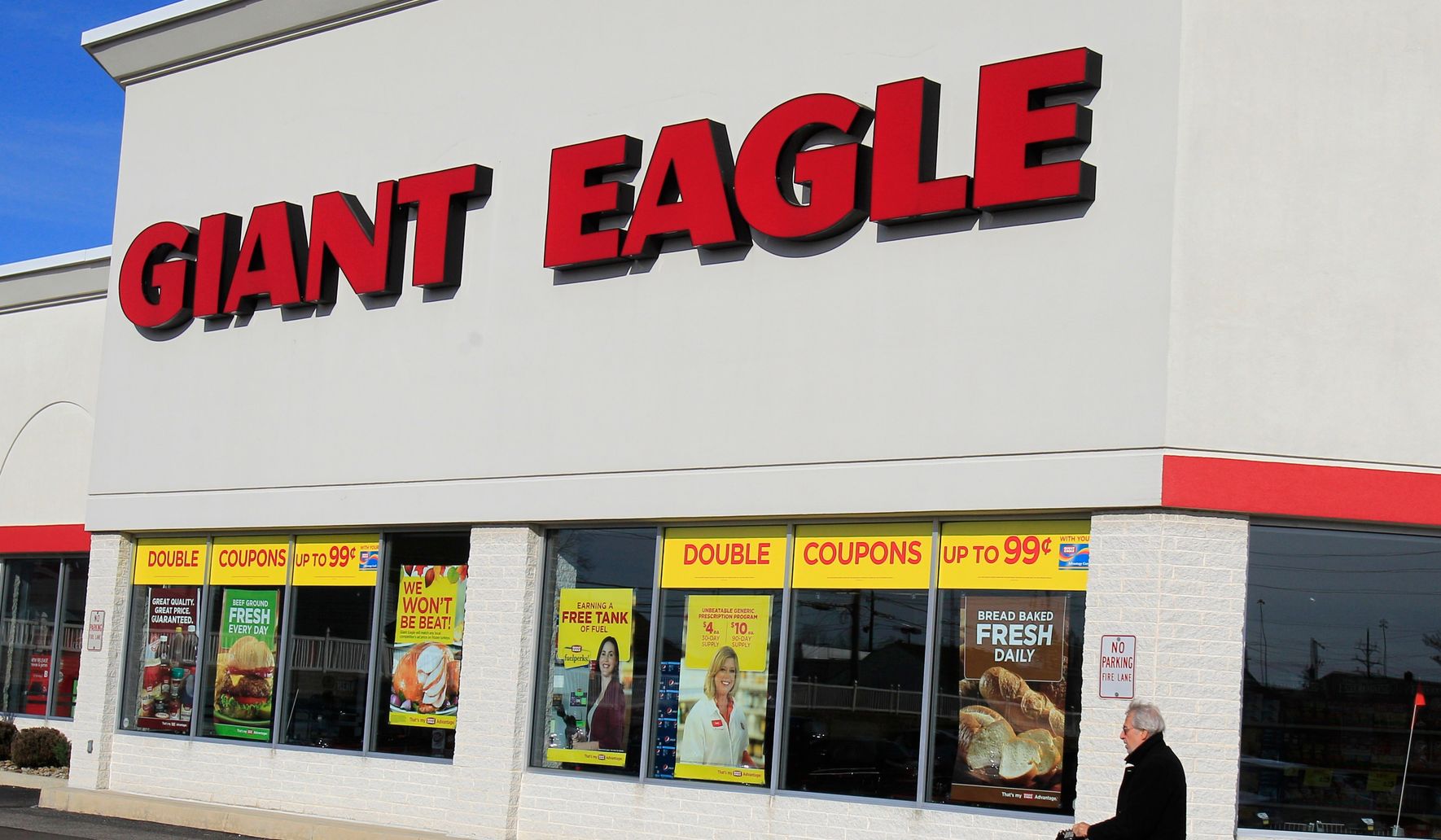
Kroger will buy regional grocer Giant Eagle for $1.65 billion, expanding its reach across the Northeast and Midwest and setting up a period of integration, regulatory review, and operational changes.
Kroger’s announced acquisition of Giant Eagle for $1.65 billion signals a major move into new regional markets across the Northeast and Midwest. The price tag and the geographic reach make this a strategic expansion rather than a small add-on. Families, shoppers, and competing chains will all feel the ripple effects as the companies combine resources and footprints.
For customers, the deal could mean changes in brands on shelves, loyalty program alignments, and new store formats rolling out over time. Kroger can bring its own private-label products and merchandising strategies to Giant Eagle locations, while possibly adapting popular local offerings that resonate with existing shoppers. Expect a transition period where both names appear on marketing and at checkout while systems are aligned.
Employees are a central consideration during any large acquisition, and this one is no different. There will likely be town halls, transition teams, and phased changes to roles and reporting lines as Kroger integrates Giant Eagle’s workforce. Frontline staff, store managers, and distribution teams will want clear timelines on how schedules, benefits, and seniority are handled during the changeover.
From a supply chain standpoint, combining Kroger’s logistics and buying power with Giant Eagle’s regional distribution could lower costs and improve product availability. Consolidating warehousing, procurement, and transportation often yields efficiencies that benefit margins, but it also requires careful execution to avoid stock disruptions. Suppliers may face renegotiations as purchasing volumes and terms are recalculated under the larger company’s umbrella.
Competition in the Northeast and Midwest will adjust as market shares shift and Kroger looks to optimize locations against rivals. Independent grocers and regional chains will watch closely to see whether Kroger maintains Giant Eagle’s community-focused stores or rebrands and remodels them. Pricing strategies and promotional cadence could change as Kroger applies its national playbook to new markets.
Regulatory review is an expected next step after an acquisition of this size, and authorities will examine potential impacts on competition. The companies will prepare filings and responses to questions about market concentration, store overlaps, and consumer choice. Until approvals are final, many integration moves will be planned but not fully executed so that regulatory contingencies can be addressed.
Real estate and store portfolio decisions will be driven by overlap, performance, and local market dynamics. Kroger will evaluate each Giant Eagle location for profitability and strategic fit, keeping the strongest stores and repurposing or closing underperforming ones. Lease terms, property sales, and redevelopment options will factor into how the combined footprint settles over the next several quarters.
Digital channels and fulfillment services are another area where the acquisition could produce quick changes for customers. Kroger’s investments in online ordering, curbside pickup, and delivery can be extended into Giant Eagle territories, improving convenience for shoppers who already use those services. Bringing technology platforms together is complex, but it can accelerate improvements in inventory visibility and shopping experience when done right.
Branding choices will be a balancing act between national consistency and regional loyalty. Kroger may keep certain local brands that have strong customer followings while introducing its own banners and loyalty incentives. Communication to shoppers will be key to avoid confusion and keep traffic steady during rebranding or remodel cycles.
Financially, the $1.65 billion price reflects both tangible assets and strategic value tied to regional penetration. Investors and analysts will track how the acquisition affects Kroger’s balance sheet, earnings, and long-term growth trajectory. Execution on cost synergies and revenue enhancements will determine whether the deal meets expectations over time.
Operationally, integration teams will map out a phased plan covering IT, merchandising, human resources, and supply chain alignment. Clear milestones and contingency plans will help manage risk as stores migrate to common systems and processes. Customers should see gradual improvements rather than abrupt disruptions as daily operations are smoothed out.
Local communities and civic leaders will likely weigh in on what the change means for jobs and neighborhood commerce. Kroger’s approach to community engagement and investment in local store teams will influence public perception. Maintaining open lines of communication with municipalities and consumer groups will be important as the transition unfolds.
Overall, the acquisition positions Kroger to deepen its presence across the Northeast and Midwest while offering opportunities to leverage scale and technology. The coming months will reveal how quickly operational integration moves forward and how shoppers respond to a larger national player taking on a regional stalwart.

