

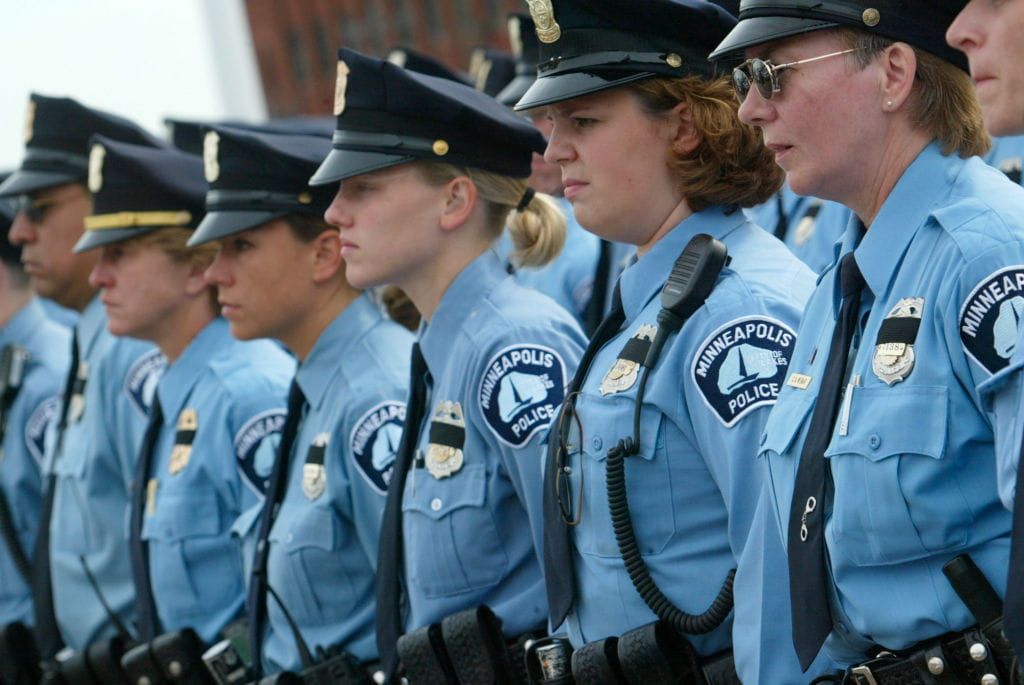
Minneapolis Mayor Told to Get More Police or Face the Court — a court has demanded action on police staffing, placing city leaders between public safety needs and legal consequences as the debate over policing and municipal responsibility intensifies.
The order arriving in Minneapolis puts a spotlight on an obvious responsibility of city government: keep residents safe. The message is blunt and political leaders now face accountability through the courts rather than through campaign promises alone. Jul 1, 2026 sits as the date this pressure became public and unmistakable.
For many conservatives, the situation reads like a validation of long‑standing warnings about the costs of undermining police capacity. City officials who cut or hollowed out law enforcement are now watching judges ask them to correct course or risk contempt. This is not just administrative nitpicking; it is about the basic compact between citizens and government to provide protection.
“Will this spark lawsuits in other cities and states?” is the question on a lot of minds, and it is the exact line people are already repeating. If courts are willing to step in here, municipalities that have pursued similar policies could face identical litigation. That potential creates a new lever for families and businesses that have felt the effects of rising disorder.
The legal theory behind these orders is simple: governments have an obligation to provide reasonable public safety, and when officials abdicate that duty, courts can demand remedies. Expect lawyers to test those limits aggressively, seeking injunctions and oversight when local leaders repeatedly fail to act. From a Republican perspective, this is less about judicial activism and more about enforcing promises local officials have been allowed to neglect.
Practical solutions are straightforward even if politically painful: restore headcount, prioritize patrols, fund training, and work with neighboring jurisdictions for mutual aid. The hard part is political will — reallocating budgets away from pet programs toward essential public safety. Voters, meanwhile, will notice who stepped up and who insisted ideology mattered more than human safety.
Business owners and residents already living with the consequences will push for clarity and measurable results rather than more rhetoric. Insurance costs, storefront security, and community confidence all hinge on predictable policing. If courts require quantifiable staffing levels or response-time metrics, those benchmarks will become the new battleground in local elections and policy debates.
This moment could reshape municipal accountability. Lawsuits filed because of inadequate policing will test whether courts will set enforceable standards or stop at symbolic rebukes. For city leaders who prefer headlines over hard choices, the legal risk is a practical way to force real action.
Political fallout is inevitable: incumbents who defended cuts will struggle to explain outcomes to voters who want safe streets and secure neighborhoods. Meanwhile, advocates for stronger law enforcement will use court rulings as leverage to push policy changes in other cities. The interplay between legal rulings and local politics will be watched closely across state lines, especially where crime and staffing debates are already raw.
Expect a steady stream of courtroom filings, public hearings, and tough budget negotiations as the story unfolds. The central fact remains simple and uncomfortable for some: policing shortages have real consequences, and when elected officials fail to address them, the courts may step in to compel compliance. That dynamic will influence both policy and politics for months to come.

