

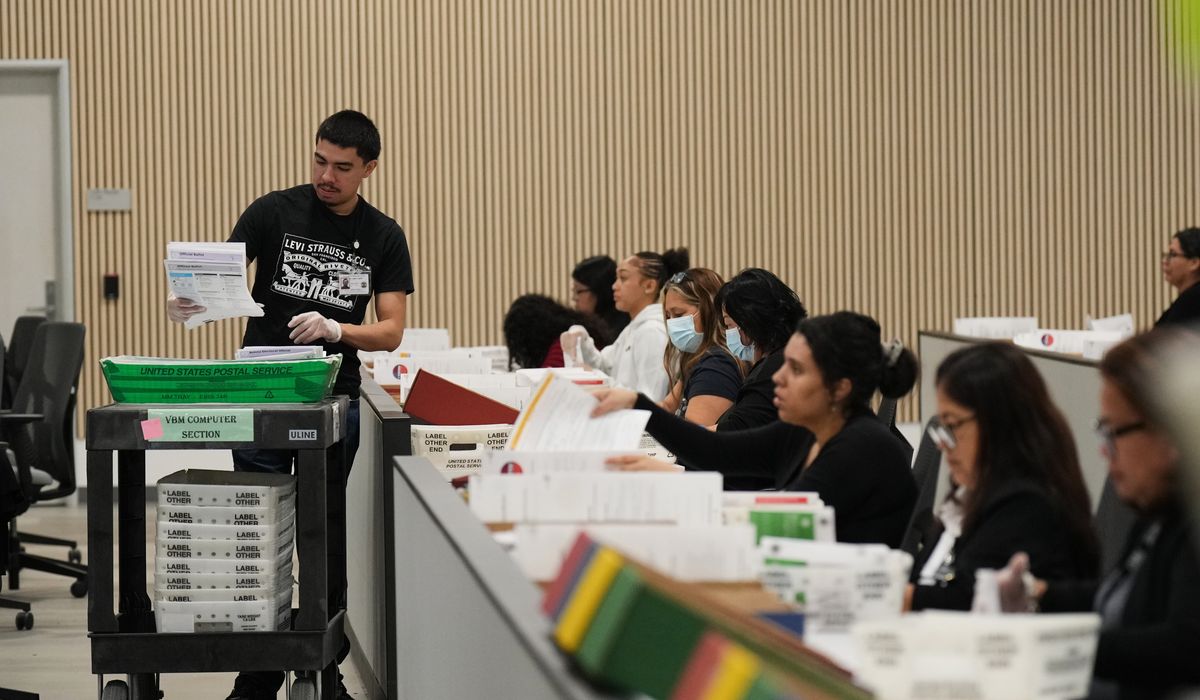
Federal prosecutors in Los Angeles announced Friday they had opened “multiple election fraud investigations” tied to California’s elections and dispatched a prosecutor to the county to follow up on the cases.
The announcement from the U.S. attorney’s office in Los Angeles marks a clear escalation in federal scrutiny of recent California voting activity. Officials said the office had opened “multiple election fraud investigations” and had sent a prosecutor to the county to assess the situation on the ground. That combination of language and action signals the matter moved beyond routine inquiries into a level that could lead to formal grand jury activity or criminal charges.
Sending a federal prosecutor to the county is significant because it allows investigators to coordinate locally while preserving federal oversight. A federal presence typically means access to broader investigative tools, including subpoenas that cross state lines and coordination with DOJ resources. For Republicans, this step should be viewed as a necessary move to ensure transparency and enforce the rule of law without partisan interference.
Federal election probes move slowly by design, but their consequences can be sharp and lasting if prosecutors find probable cause. Investigators will be looking at evidence chains, ballot handling procedures, and whether any statutory violations occurred that warrant prosecution. The standard in criminal cases remains proof beyond a reasonable doubt, but federal investigations often set the stage for state or local enforcement as well.
From a Republican perspective, the announcement raises two immediate priorities: demand for a thorough, unbiased probe and quick public disclosure of clear findings when possible. Voters deserve confidence that allegations are followed up on, and Republicans will push for transparency about what triggered the federal inquiry and what documents or testimony it relies on. That doesn’t mean assuming guilt; it means insisting the process be open and accountable.
The logistics of such investigations often include interviews with election workers, review of chain-of-custody logs, and forensic examination of ballots and voting machines when relevant. Prosecutors may also coordinate with state officials and local law enforcement to determine whether criminal conduct occurred. These steps are routine in serious election fraud inquiries and aim to build a factual record before any charges are filed.
Republicans will also be watching how the U.S. attorney’s office frames its findings and whether any prosecutorial resources appear to favor particular political outcomes. The credibility of the Justice Department depends on impartial conduct, especially in politically charged matters. Ensuring that investigations are free of bias is critical to restoring public trust, which Republicans argue has been eroded by perceptions of selective enforcement in the past.
If the investigation produces charges, they could range from falsifying election documents to conspiracy or other federal offenses tied to ballot integrity. Convictions would require strong documentary or testimonial evidence meeting federal standards. Conversely, if prosecutors decline to bring charges, the documentation of that decision and a clear explanation can help quiet speculation and preserve confidence in the system.
At the same time, local election officials should expect increased scrutiny and pressure to cooperate promptly with federal requests for records and interviews. Republicans generally favor swift, formal procedures that clarify facts without dragging into partisan theatrics. Cooperation across jurisdictions typically speeds resolution and prevents a vacuum of information that fueling rumor and political exploitation.
The presence of a federal prosecutor on the ground does not automatically mean indictments are coming, but it does mean the matter is being treated seriously. Republicans will want assurance the inquiry is even-handed and focused on securing the integrity of the vote rather than serving political ends. The coming weeks should reveal whether the probe delivers factual clarity and appropriate consequences in line with the rule of law.

