

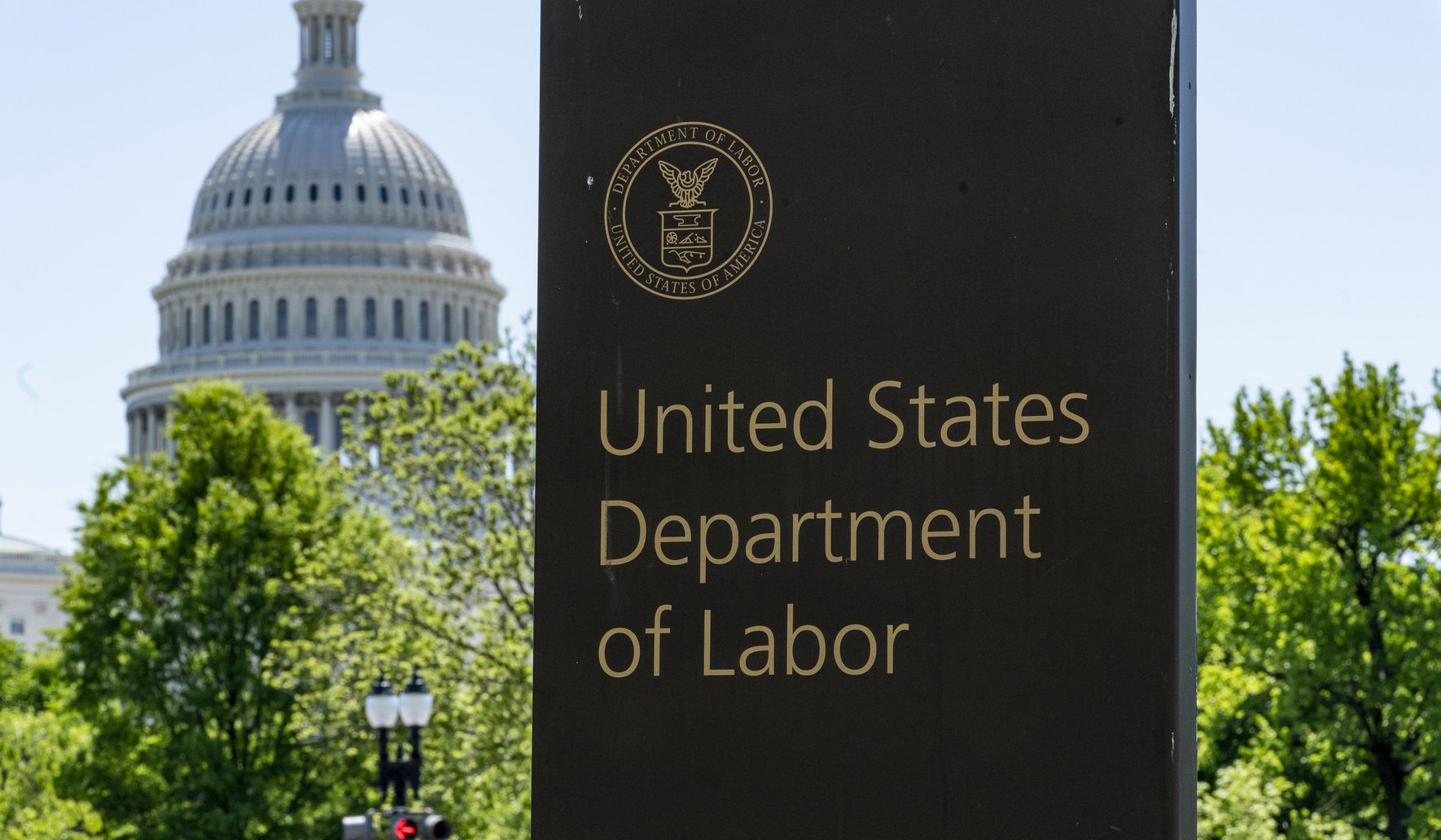
The Labor Department will not release the October jobs report after the government shutdown blocked data collection, creating a gap in the country’s economic record.
Federal operations that we all rely on to keep the economy transparent were interrupted, and the usual monthly checkup on jobs simply could not happen. This is more than a paperwork hiccup; missing data makes it harder for families, employers, and markets to read the economy. The fallout is political and practical—everyone who uses these numbers now has to work around a blind spot.
“The Labor Department announced Wednesday that it won’t be releasing its monthly jobs report for October because the record-breaking government shutdown prevented it from collecting necessary data” is the blunt official line, and it lands exactly where you’d expect: at the intersection of policy failure and real economic consequences. When a core statistical operation is knocked offline, we lose a reliable, independent pulse on hiring, unemployment, and labor force participation. That vacuum creates uncertainty that ripples through planning for small businesses, families making budget decisions, and investors setting expectations.
Market actors hate uncertainty, and missing a headline jobs report injects plenty of it into short-term trading and long-range forecasting. Economists will have to splice together payrolls from partial surveys, private payroll processors, and anecdotal signals, which increases the odds of revisions and contested narratives. That means more back-and-forth about whether the economy is strengthening or weakening, and less confidence in knee-jerk policy reactions.
Beyond headlines, the methodological damage is real: statistical series rely on consistent collection schedules, sample frames, and response rates to ensure comparability from month to month. A gap in the time series complicates the models policymakers and analysts use to smooth trends and identify turning points. When the government cannot guarantee continuity, the quality of decisions that depend on that continuity gets worse.
From a Republican viewpoint, this situation is a preventable consequence of governance choices and misplaced priorities that let critical functions slip into nonessential status during a funding fight. Government shutdowns are not theoretical interruptions; they translate into missed paychecks, delayed permits, and now, missing economic intelligence. Elected officials of all parties should understand that the public expects essential data and services to be insulated from political brinkmanship.
Fixes are straightforward in principle: designate data collection and core statistical staff as operating under contingency plans, keep funding mechanisms for essential statistical work outside the swing of short-term appropriations fights, and require clearer continuity protocols so surveys and administrative records do not stall. Institutions that produce the numbers must be able to operate on an emergency footing so that employers, households, and markets can keep making informed decisions even during political standoffs. Those are governance choices that protect citizens, not partisan wins.
Trust in official statistics depends on predictability, not spin, and missing a monthly report chips away at that trust by creating windows for speculation and revision. Restoring reliability will need changes to process and culture so that the next funding impasse does not translate into a missing economic month. While the report is gone for October, the broader lesson is clear: safeguarding the mechanics of government data collection is a basic responsibility that affects everyone who cares about a stable, transparent economy.

