

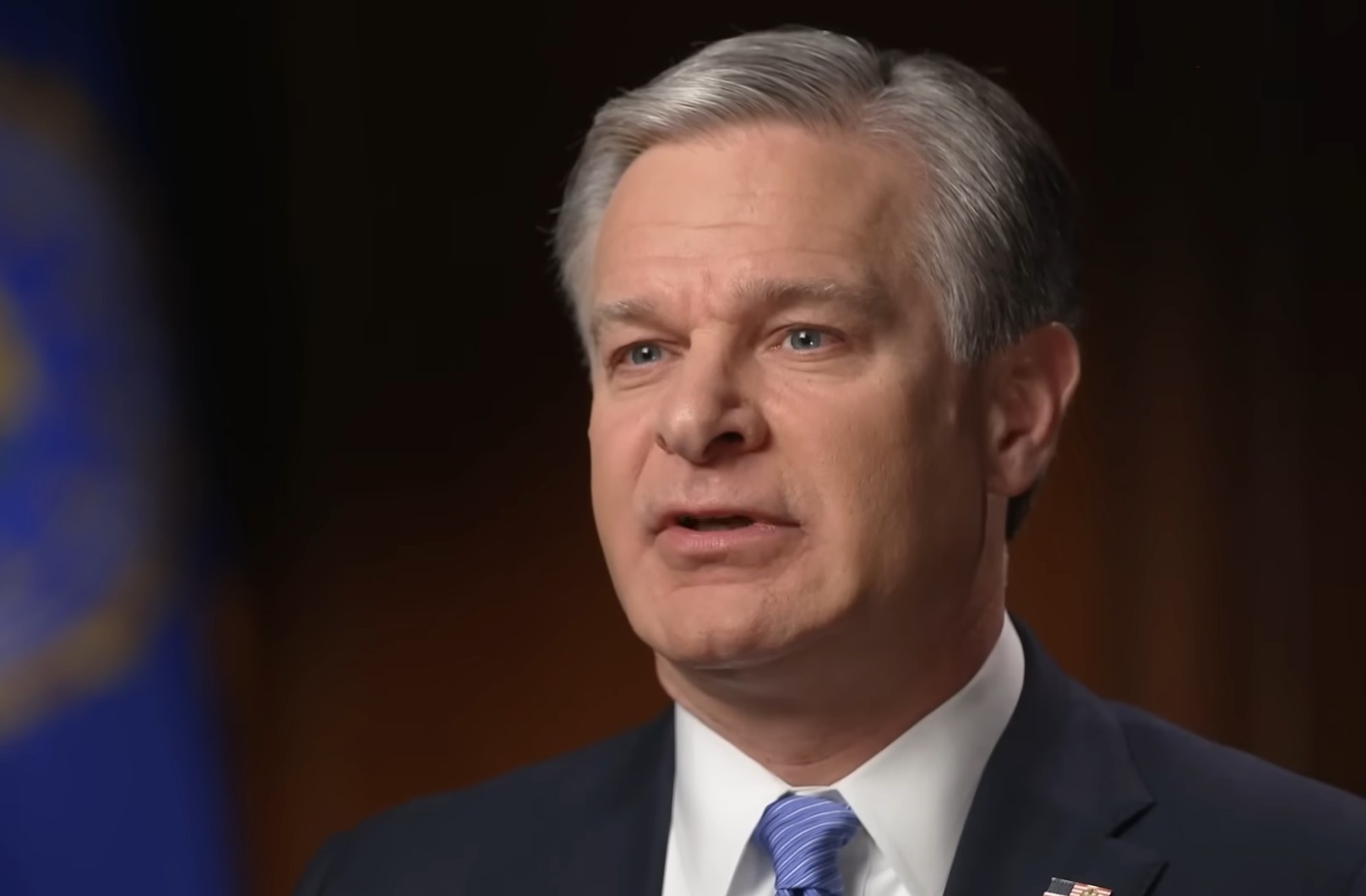
Transparency in law enforcement affects trust, accountability, and the legitimacy of investigations, and the gap between public expectation and institutional behavior has widened in recent years. Without transparency, institutions like the FBI and the Department of Justice will continue to lose credibility with vast swathes of the American people. Restoring that trust means clearer rules, consistent disclosure, and less partisan handling of sensitive matters.
Americans expect the same rule of law from federal agencies that they expect from neighbors and local police. When the DOJ or FBI acts like a political player instead of a neutral law enforcement body, it erodes confidence across the country. That loss of faith hurts cooperation, tips investigations into public spectacle, and fuels division.
The core problem is simple: secret processes and selective disclosure breed suspicion. People see different standards applied to different people and assume politics, not law, is in charge. A Republican view holds that fairness means visible rules and applied equally, not hidden exceptions for favored individuals.
Accountability must be institutional, not personal drama. That means strengthening inspector general roles so audits and findings are timely and understandable to the public. Delivering clear, factual reports on investigations avoids leaks, spin, and the impression that results can be tailored to a narrative.
Transparency also requires routine disclosure of policies and decisions affecting prosecutions and special counsels. If criteria for opening probes, appointing special prosecutors, or declining charges were transparent, complaints about bias would fall away. Clear rules make it harder for career officials to act like gatekeepers of political outcomes.
Whistleblowers play a critical role, but their claims must be triaged and investigated in ways people can trust. Investigations that disappear into internal channels or stretch for years without public updates create suspicion. Protecting legitimate whistleblowers and exposing bad actors helps separate honest mistakes from willful misconduct.
Prosecutorial discretion is necessary, but it must come with public explanation when high-profile cases are involved. Short, factual statements that explain charging decisions protect prosecutorial integrity and reduce partisan spin. A transparent explanation of reasoning protects both defendants and the public interest.
Recusal standards for top officials should be clear and enforced, not left to private judgment calls that look like cover-ups. When conflicts of interest are obvious, formal recusal avoids appearance problems and keeps investigations credible. Clear, public recusal rules limit the chance for perceived favoritism.
Congressional oversight has a role when agencies refuse to explain themselves, but oversight needs facts and discipline. Republicans argue for hearings that focus on patterns and documents, not theatrics. Proper oversight extracts information without turning accountability into partisan theater.
Data transparency matters as much as policy transparency; statistics on investigations, prosecutions, and complaint outcomes should be routinely published. When the public can see trends, they can judge institutions by evidence instead of rumors. Open data also helps journalists and scholars identify genuine problems and solutions.
Leadership matters because culture starts at the top. Directors and attorneys general set tones: do they prioritize impartiality and clear communication, or do they tolerate secrecy and selective disclosures? A culture that prizes openness reduces leaks to friendly outlets and rebuilds institutional credibility with ordinary Americans.
Technology can help by automating release of non-sensitive documents and redacting truly classified material efficiently. Faster, smarter FOIA processing cuts down on delays that make agencies look evasive. Investing in modern systems isn’t flashy, but it makes transparency routine instead of optional.
Finally, public trust is fragile and hard to regain once lost, but it is not gone forever. Steady reforms that emphasize equal application of the law, timely explanations, and visible conflict safeguards will chip away at cynicism. Restoring confidence in the FBI and DOJ won’t happen overnight, but clear, consistent transparency gives those institutions a fighting chance to earn it back.

