

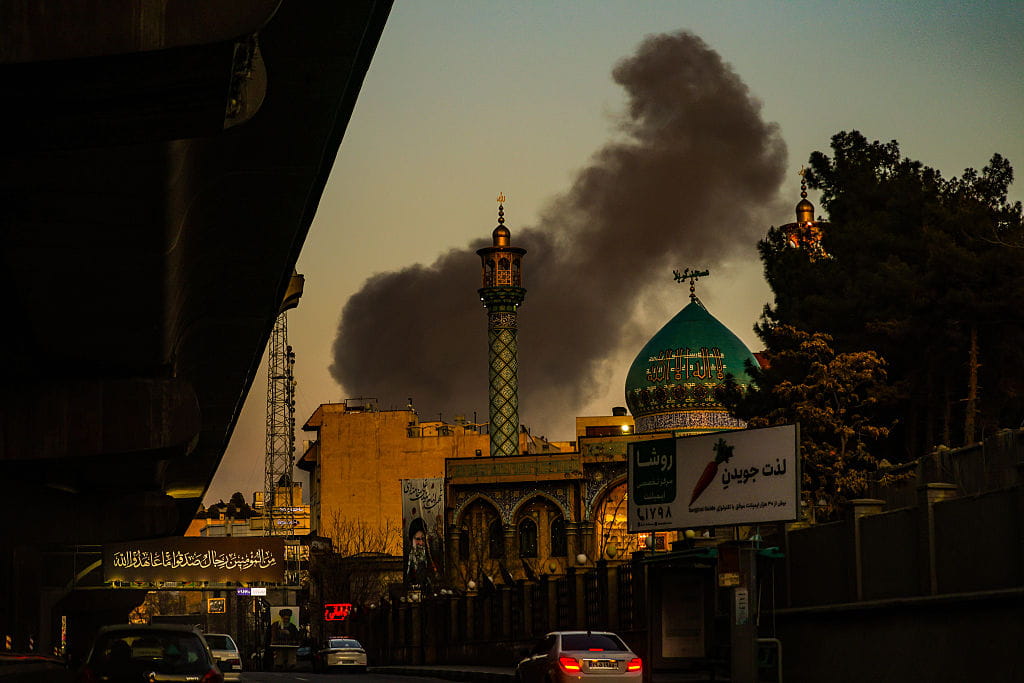
On this week’s Liberty Nation Radio, we delve deep into the war in Iran.
The conflict in Iran has become a focal point for American foreign policy and national security debates, and Republicans are watching closely. We see a regime that threatens regional stability, backs proxy forces, and flirts with nuclear ambitions. That combination demands a clear, firm response from Washington, not muddled signals and half-measures.
First, the threat is both immediate and strategic. Iran’s support for militias across the Middle East fuels chaos from Lebanon to Yemen, and its naval harassment in the Gulf risks global trade and energy flows. That makes the situation not just a regional scramble but an issue that hits American interests directly.
Second, deterrence matters more than ever. Showing resolve through robust naval patrols, clear rules of engagement, and targeted strikes when necessary keeps adversaries guessing and prevents escalation on our terms. Republicans argue that strength and clarity, paired with diplomatic pressure, reduce the chance of prolonged violence and miscalculation.
Third, sanctions remain a crucial tool. Smart, enforceable sanctions cut Tehran’s resources without committing American troops to a full-scale ground war. At the same time, sanctions need teeth: international enforcement, asset freezes, and penalties for third parties undercutting the squeeze on Iran’s economy.
Fourth, support for regional partners is nonnegotiable. Israel, the Gulf states, and Kurdish forces need proven intelligence, defensive systems, and munitions to defend themselves and deter aggression. A Republican approach favors empowering allies to manage their security while keeping U.S. boots off the ground unless Congress authorizes a different course.
Fifth, energy security ties directly into the calculus. Iran has shown it can threaten shipping lanes and oil infrastructure, and any prolonged disruption would spike prices and strain American families. Republicans push for a domestic energy strategy that expands production and reduces leverage adversaries can wield during crises.
Sixth, diplomacy without capitulation is on the table. Talks can buy time and clarify red lines, but a deal that lifts key sanctions or legitimizes Iran’s nuclear program would only reward bad behavior. Any engagement must be conditional, verifiable, and coupled with credible military and economic pressure.
Seventh, public messaging at home shapes global outcomes. Weak or contradictory statements from the White House embolden Tehran and confuse allies. Republicans insist on a consistent line: Iran will face consequences for attacks on Americans, for threatening shipping, and for advancing nuclear capability without transparent inspections.
Eighth, intelligence and special operations offer precise options. Surgical strikes on missile stockpiles, cyber disruption of command-and-control networks, and targeted arrests or seizures can blunt Iran’s capacity without open-ended commitments. Those options require precise coordination, legal authority, and careful calibration to avoid wider war.
Ninth, Congress has a role to play that goes beyond sound bites. Authorizing funds for missile defense, holding hearings on covert activity, and setting clear oversight on any kinetic action ensures democratic accountability. Republicans emphasize that congressional engagement strengthens resolve and legitimacy for whatever steps the country takes next.
Tenth, the American public deserves straight talk. This conflict affects Americans’ wallets, service members, and long-term security. A Republican posture stresses toughness, prudence, and a plan that protects allies, secures trade routes, defends energy supplies, and insists that Iran pays a price for destabilizing behavior.

