

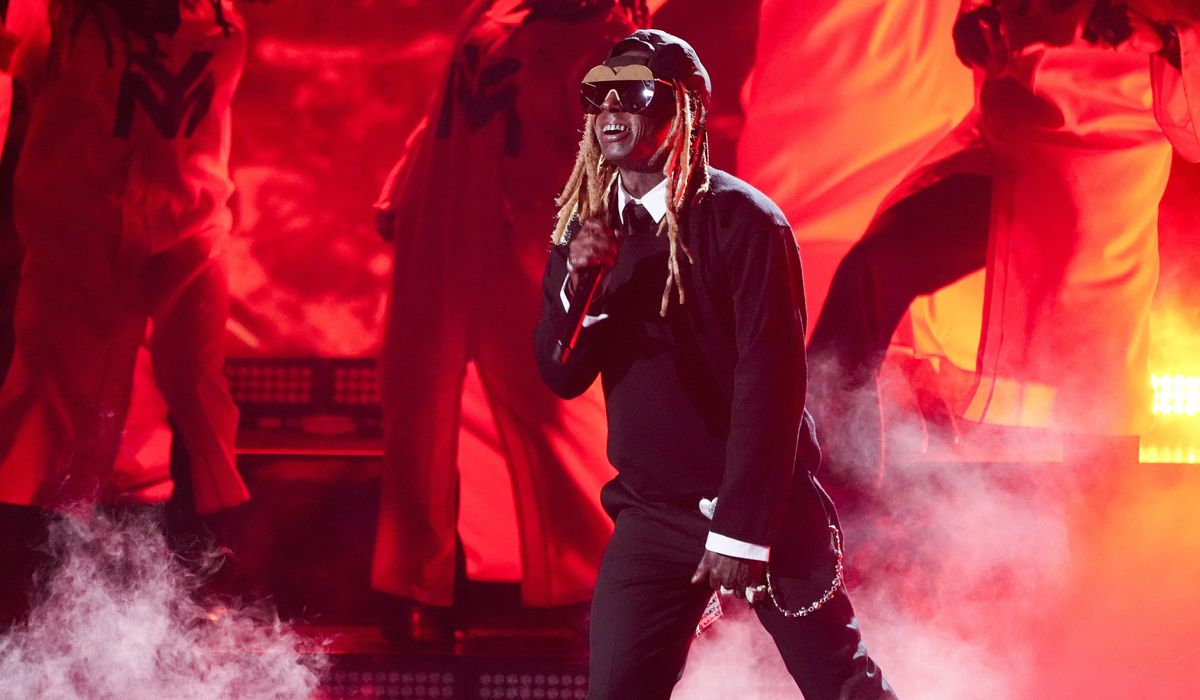
President Trump’s new ballroom drew a surprising shout-out from a major music figure, sparking fresh conversations about celebrity influence, public events, and the optics of leadership in modern politics.
The moment came when LIL WAYNE praises Trump’s new ballroom: “I’m so glad to hear Trump say … everything we do, we have to do it on the damn lawn.” That line landed hard because it mixes stagecraft with a blunt, unmistakable endorsement from someone who still shapes culture for a large audience. It also highlights how events and venues have become political symbols in their own right, not just places for speeches or parties.
The ballroom itself is being talked about as more than decoration; it’s a setting where image, policy, and personality meet. For Republicans, spaces like this offer an opportunity to show strength, hospitality, and a willingness to host Americans on their terms. That tone resonates with voters who value certainty and boldness over cautious messaging and endless focus-group testing.
Celebrity reactions matter because they translate political gestures for younger and more diverse audiences. When a star like Lil Wayne speaks up, people outside the usual political echo chambers pay attention. Republicans can use that attention to shape a simpler, clearer narrative about national pride and public life without sounding like a campaign pamphlet.
There’s also a practical side: large venues create economic activity and put local businesses to work. Events bring travel, catering, and short-term job boosts that communities notice quickly. Framing the ballroom as both symbolic and locally beneficial helps Republicans argue that leadership creates tangible returns, not just talking points.
Predictably, critics have seized on the optics, calling out style over substance and raising questions about appropriateness and message. The counterargument from a Republican perspective is direct: if people show up, it means the message lands and the economy gets a bump. That’s a simple, testable claim voters can relate to, especially in towns where jobs and foot traffic matter more than ideological purity.
Security and logistics around big gatherings often get lost in the commentary, but they’re essential to how these moments play out. Organizing a smooth, safe event speaks to competence in a way speeches alone cannot. For the GOP, demonstrating control over the details can be an underrated way to reassure undecided voters that leadership equals results.
The interplay between pop culture and politics has always been messy, and it’s getting louder. Celebrity endorsements aren’t guarantees, but they shift conversation and make stories stick. Republicans who understand this can leverage those moments into memorable, digestible talking points that cut through a cluttered news cycle.
Optically, the ballroom itself serves as a prop and a stage for future moments, so every photo and quote becomes part of a larger story line. That’s useful in a political environment where imagery often moves faster than policy papers. Using those visuals wisely is part of a campaign playbook that values momentum and perception.
What follows from this episode is less predictable than the applause it received, and that uncertainty is where political advantage can be found. A single quote from a high-profile artist, paired with a well-executed event, creates opportunities for messaging that are hard to manufacture with traditional advertising. Republicans who spot and act on those opportunities can turn cultural moments into sustained engagement without losing the direct, plainspoken tone that appeals to many voters.

