

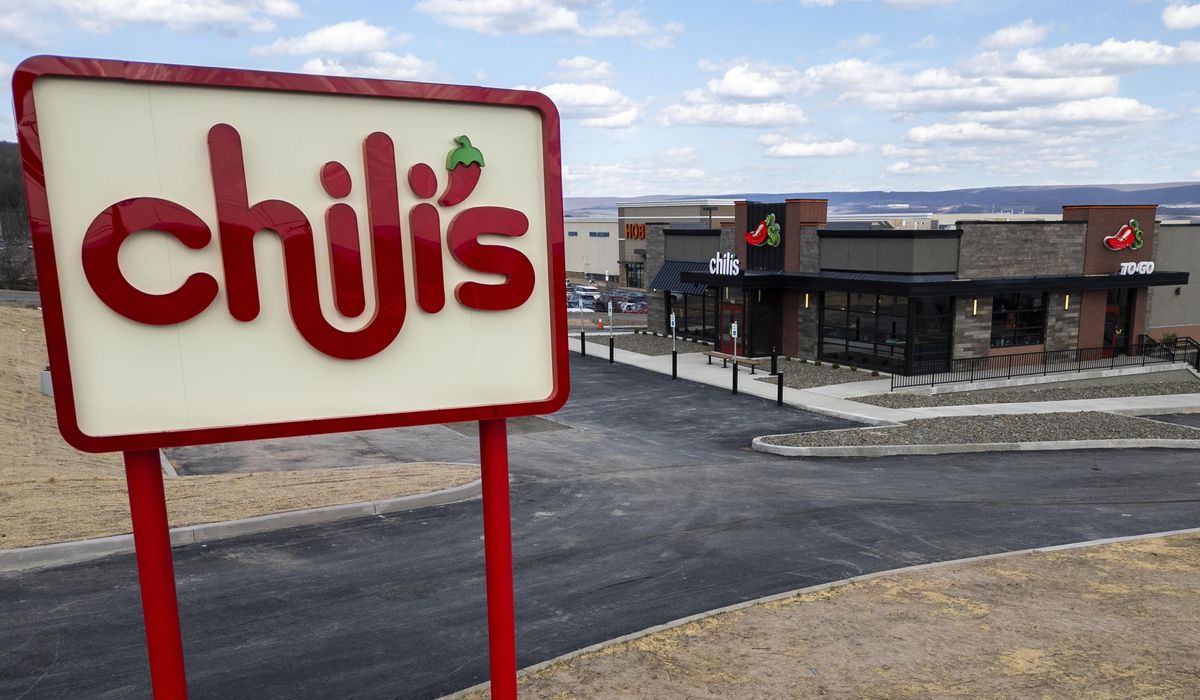
A Louisiana Chili’s employee who says he was fired for refusing to call a coworker by her chosen name and preferred pronouns is disputing the company’s account of his termination. The case has drawn attention to how restaurants and other employers handle conflicts between requested workplace conduct and an employee’s stated objections.
A Louisiana Chili’s employee who says he was fired for refusing to call a coworker by her chosen name and preferred pronouns is disputing the company’s account of his termination. He says the termination followed his refusal to use a coworker’s chosen name and pronouns, and he now contests how the company described the reasons for letting him go. The situation has surfaced questions about how personal beliefs, workplace expectations, and employer statements collide in public disputes.
The restaurant’s version of events, as reported to staff or customers, differs from the worker’s account. Company statements tend to emphasize policy enforcement or conduct issues, while the employee frames his firing as tied to the disagreement over names and pronouns. That contrast is what fuels the controversy and draws attention from people tracking similar workplace disagreements nationwide.
From the employee’s perspective, this was a clash over an on-the-clock request and his personal stance. He says he refused to comply with the request to use the chosen name and pronouns, and that refusal is what led to his firing. He disputes the narrative that the company has offered about the incident, insisting the real issue was his objection to using particular pronouns rather than unrelated performance problems.
Human resources teams face a tricky balance when requests about names and pronouns intersect with staff beliefs or discomfort. Many employers have policies aimed at inclusion, asking employees to respect coworkers’ chosen names and pronouns to maintain a respectful environment. At the same time, managers sometimes must navigate religious or conscience-based objections from staff while keeping service consistent and avoiding conflict among employees.
When these disputes escalate, options range from internal appeals to mediation, arbitration, or litigation. Employers can discipline or terminate for policy violations, but employees may challenge those actions through grievance procedures or in court if they believe their rights were ignored. The path forward often depends on local law, the precise wording of workplace policies, and whether the parties reach a negotiated resolution.
Public reaction typically amplifies these cases, turning an internal personnel matter into a broader conversation about workplace norms and civil rights. Customers and community members may weigh in on social media, and the buzz can affect a store’s reputation and employee morale. For a chain like Chili’s, isolated incidents can prompt corporate policy reviews or refresher training to reduce the risk of similar disputes elsewhere.
Cases like this one underscore how quickly ordinary workplace interactions can become high-profile and legally complex. Employers are being pushed to clarify their expectations, and workers are increasingly aware that wording around names and pronouns can have real consequences. As discussions continue, restaurants and other workplaces will likely keep refining how they balance inclusive practices with respect for differing personal beliefs.

