

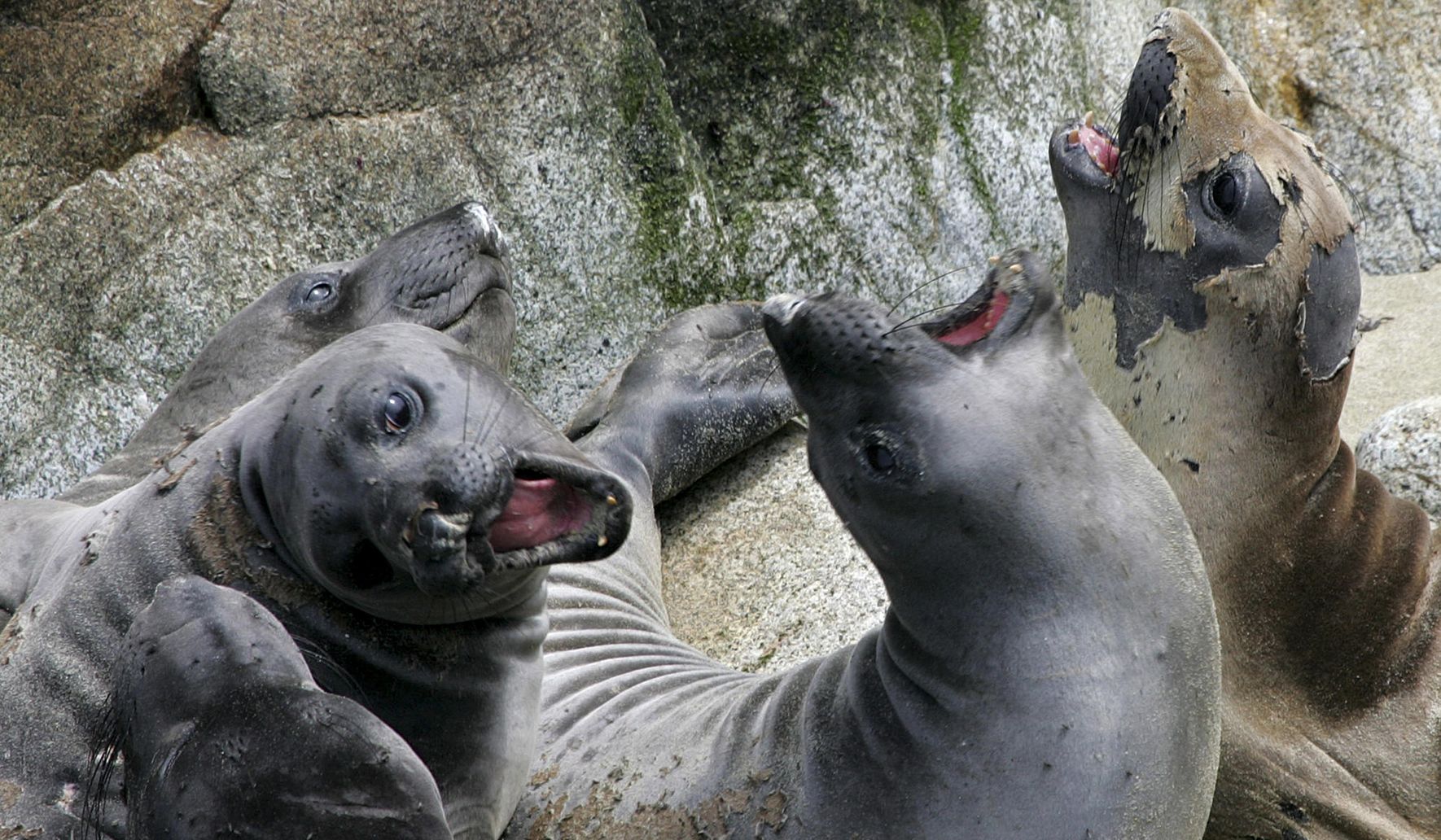
Australian authorities have announced plans to evacuate the Macquarie Island research station this fall, citing “psychosocial risks” tied to an outbreak of bird flu that has been decimating local wildlife, particularly elephant seals.
The decision to pull staff from the remote research outpost comes after officials weighed the emotional and mental strain on people who would otherwise witness the rapid decline of animal populations. Authorities framed the move around keeping researchers and support staff from having to directly confront large-scale wildlife mortality. The timing is set for this fall to align with seasonal logistics and safety planning.
Macquarie Island sits between Australia and Antarctica and hosts a small but dedicated scientific community focused on ecology and climate. Over recent months, bird flu has shown up in the island’s ecosystem and spread among seabirds and marine mammals. The scale of the die-off has prompted unusual measures, because the scene can be both distressing and potentially traumatic for those living and working on the island.
Officials used the phrase “psychosocial risks” to describe the concern that prolonged exposure to scenes of mass animal death could harm mental health and team cohesion. That term covers a range of issues, from acute stress reactions to longer-term effects like burnout and post-traumatic stress related to repeated exposure to distressing events. Management concluded that a temporary evacuation was the most responsible step to protect people while preserving the capacity to study the event remotely where possible.
The station typically hosts a rotating mix of scientists, technicians, and support personnel who run monitoring programs and maintain infrastructure in a harsh environment. With fewer people on site, some field projects will be paused or adapted to remote data collection until teams can return safely. Contingency plans focus on maintaining critical systems and ensuring animal monitoring continues through noninvasive or automated means where feasible.
Wildlife on Macquarie Island plays an outsized role in southern ocean ecosystems, and losses there are closely watched by researchers worldwide. The outbreak’s effect on species such as seabirds and large marine mammals raises both ecological and ethical questions about intervention and observation. Scientists want to balance the need for data with the responsibility to protect both wildlife and human wellbeing.
Evacuation logistics are complex because Macquarie Island is remote and weather dependent, requiring careful coordination for transport and resupply. Officials plan to move people out in phases, prioritizing those most at risk of psychological harm or those whose presence is not essential to immediate operations. The approach aims to reduce unnecessary exposure without abandoning long-term research goals.
Some researchers worry that gaps in on-site monitoring could slow understanding of how bird flu behaves in isolated, cold-water ecosystems. Others argue that stepping back now protects personnel and may still allow crucial data collection through cameras, sensors, and periodic visits when conditions permit. The compromise reflects a broader tension in field science between continuous presence and preserving the safety and mental health of teams.
The move also raises questions about how institutions support researchers dealing with traumatic field events and how preparedness plans should evolve. Training, counseling resources, and clear incident-response policies are becoming part of the conversation as teams confront environmental crises more often. For now, the priority is to ensure people are not forced to witness ongoing devastation up close.
As the season approaches, attention will turn to how monitoring can continue from a distance and how to safely resume full operations when conditions allow. The evacuation is framed as temporary and targeted, designed to protect both human and scientific assets while the immediate crisis plays out. Authorities emphasize that decisions are guided by both practical safety concerns and the need to minimize lasting psychological harm to the island’s staff.

