

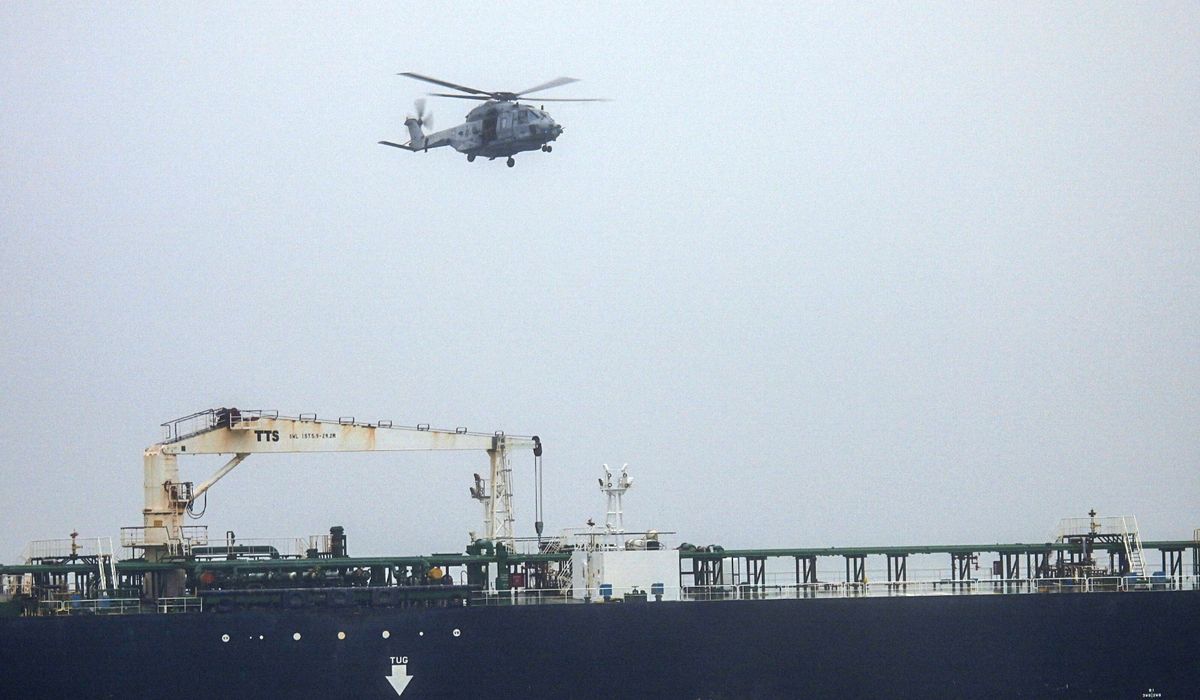
The French Navy, backed by the U.K., intercepted a sanctioned oil tanker en route from Russia, French President Emmanuel Macron announced Monday, as Europe tightens enforcement against Moscow.
This action shows Europe moving from sanctions on paper to enforcement at sea, and that shift matters. A naval interception is a direct, visible step that signals the continent will act to deny sanctioned goods their routes. It is not just legal posturing; it is an operational move that raises the cost for those trying to evade restrictions.
France publicly confirmed the operation, and the British role underlines cooperation among Western navies. That kind of teamwork is exactly what credible deterrence looks like: partners coordinating assets and intelligence to make sanctions real. When governments back rules with capability, the rules have teeth.
Naval interdiction of commercial vessels is complicated and risky under international law, so the choice to act reflects a judgment call by national leaders. Authorities have to balance evidence of sanction violations with rules about territorial waters, flags of convenience, and the rights of crews. Those constraints mean such operations are not routine; they are deliberate and carry political weight.
From a Republican viewpoint, the lesson is clear: deterrence requires follow-through, and allies must be willing to do the hard work. Passing sanctions is one thing; enforcing them is another. If Washington and European allies want these measures to matter, they must support maritime capabilities and legal frameworks that back enforcement actions.
Energy security plays into this, too. Europe’s past energy dependence on Russia made sanctions less bite-sized and allowed Moscow leverage. Intercepting shipments reduces that leverage while sending a message that energy won’t be used as a weapon without consequences. At the same time, this underscores the need for diversified supplies and faster moves toward reliable alternatives.
Operations like this also create a diplomatic ripple effect. Moscow will not treat an interdiction as normal; expect rhetoric, legal protests, and potential retaliatory moves in diplomatic or economic arenas. Still, signaling a willingness to act helps shape behavior over time—adversaries weigh the likelihood of enforcement when planning how to circumvent sanctions.
Domestically, governments that authorize these steps face political scrutiny for the risks involved. Republican readers will want clarity on rules of engagement, chain of command, and plans for crew safety and evidence preservation. Transparency about legal authority and operational safeguards builds public trust when states take bold measures on the international stage.
Intelligence and maritime domain awareness make this kind of enforcement possible. Tracking shipments, tracing ownership, and sharing data among allies are the nuts and bolts that turn policy into results. If Europe and its partners invest in those capabilities, interdictions become less risky and more predictable in legal terms.
Finally, continued pressure on Moscow requires consistency. One high-profile interception can deter, but only if it becomes part of a sustained pattern of enforcement. For those who want real consequences for bad behavior, the message is practical: build the legal tools, strengthen naval and intelligence cooperation, and be ready to act when the evidence is clear.

