

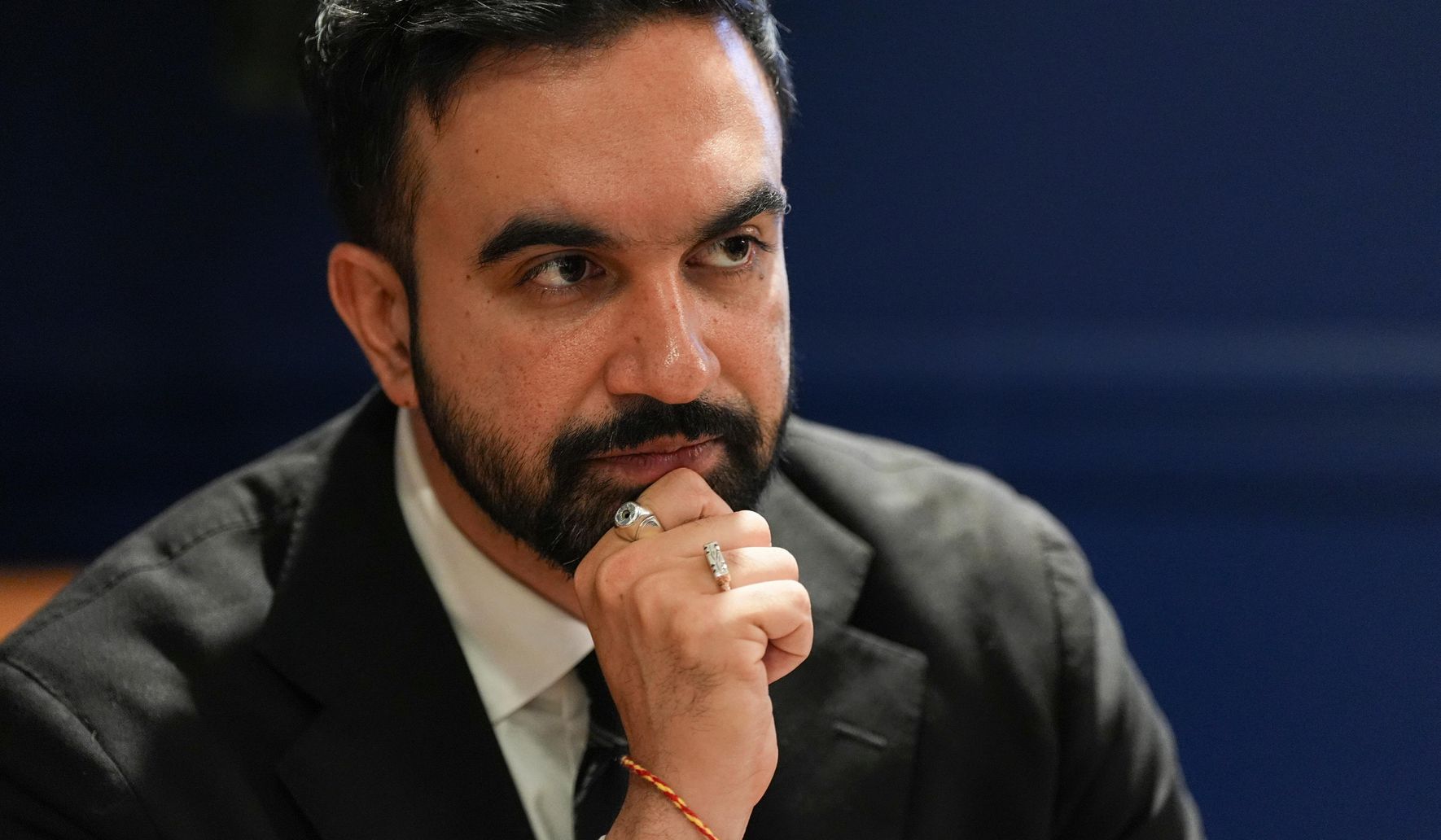
Zohran Mamdani’s latest campaign ad features four women rabbis, including one who is transgender, singing his praises as he presses his mayoral bid. The ad appears aimed at shoring up support for his socialist-leaning campaign by showcasing faith-based endorsements and diversity. It has drawn attention for combining religious figures and progressive identity politics in a high-profile, political broadcast.
The ad’s central image is simple but calculated: clergy giving public backing to a political candidate. Endorsements from religious leaders are meant to convey moral legitimacy and community trust, and this spot leans into that familiar formula. What changes the conversation here is the choice to highlight women rabbis and one transgender rabbi, signaling a specific coalition Mamdani wants to claim.
From a Republican viewpoint, the choice raises questions about political branding and the use of religious authority in service of a partisan agenda. There is a clear trade-off when religious figures cross fully into political campaigning, because it blurs the line between spiritual leadership and electoral advocacy. Voters who value church-state separation or who prefer religious guidance to remain nonpartisan may react negatively to that entanglement.
Supporters will say this is about inclusion and reaching out to communities that have felt marginalized by traditional power structures. Highlighting rabbis who represent gender and doctrinal diversity does send a strong message to progressive voters who prioritize identity and representation. But the move also invites scrutiny over whether the endorsement reflects widespread faith community support or a targeted appeal to niche constituencies.
In practical terms, this ad is a tactical effort to shore up votes from urban, socially liberal blocs that respond to faith-based signaling wrapped in progressive packaging. That calculation has merit in a crowded field where differentiators matter. Still, the risk is alienating moderate and conservative religious voters who may see the ad as performative or as evidence of a campaign catering to activists more than to mainstream New Yorkers.
The inclusion of a transgender rabbi is the element most likely to provoke heated responses. Advocates will praise the visibility and the challenge to old norms, while opponents will argue the campaign is prioritizing political optics over community unity. Expect conservative commentary to frame this as another example of identity-driven politics displacing traditional civic priorities like public safety, housing, and fiscal management.
Beyond the ideological debate, there’s an optics calculation about authenticity. Are these rabbis longtime allies who can mobilize congregations and volunteers, or symbolic figures chosen for a specific camera moment? Political ads live or die on perceived sincerity, and skepticism will stick if the endorsements look staged or transactional. Voters tend to reward authenticity and punish stunts that feel engineered.
For Mamdani, the ad signals a clear strategic direction: double down on progressive bases and distinguish himself through culture and values as much as policy. That may energize a loyal subset of voters, but it risks narrowing appeal in a general election where swing voters matter. Republicans will point out that an overreliance on identity cues can leave core municipal concerns underplayed.
The reaction from the wider electorate will depend on how the campaign follows up on this moment. If the endorsements translate into grassroots organizing, volunteer turnout, and community-level engagement, the ad could have practical payoff beyond headlines. If the ad stands alone as a provocative image without policy depth or outreach, critics will call it a sign of a campaign more interested in spectacle than in governing.

