

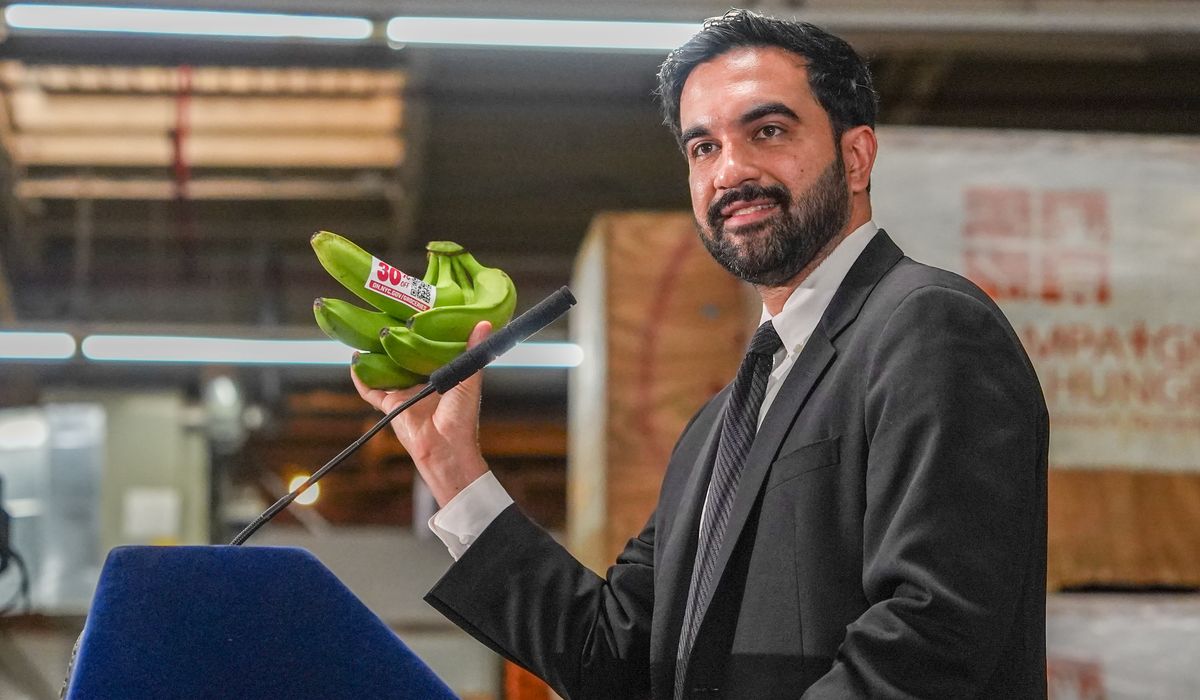
New York City’s socialist Mayor Zohran Mamdani announced Monday the city will open five government-owned food stores by 2029 and will offer a 30% discount on bread and cheese as well as “a c”
New York City’s socialist Mayor Zohran Mamdani announced Monday a plan to open five government-owned food stores by 2029 and to offer a 30% discount on bread and cheese as well as “a c”. The proposal is being framed as a way to lower grocery costs for residents, but it raises immediate questions about cost, competition, and results. The timing and scale are ambitious, and many will want details on budgets and oversight. The partial quote remains as stated and should be noted exactly.
Putting government directly into the grocery business is a big ideological step and it will change how people in the city buy essentials. Supporters say public stores can be steady, affordable sources of staples. From a Republican perspective, handing the state the reins of retail invites inefficiency and political interference where markets used to operate.
Taxpayer dollars will underwrite setup, staffing, inventory, property and ongoing losses if the stores operate like most public ventures. Municipal retail has a spotty track record for staying on budget and keeping prices low without constant subsidies. That reality makes it reasonable to ask who pays if these stores fail to attract shoppers or if discounts require perpetual appropriations.
Independent grocers and neighborhood bodegas could see their margins squeezed by a city-backed buyer that does not need to turn a profit. Those local businesses already run on thin margins and rely on loyal customers in their communities. A government entrant with deep pockets risks crowding out private operators who provide jobs and personalized service.
The language calling the mayor “socialist” highlights the ideological divide at the heart of the policy. For proponents, public stores are a direct correction for market failures that leave food deserts and unaffordable staples in many neighborhoods. For skeptics, national or municipal ownership of supply and retail threatens choice, entrepreneurship, and long-term fiscal discipline.
Who benefits most from a 30% discount on bread and cheese depends on design and targeting. If the program is broad, wealthier residents could enjoy the same breaks as people struggling to make ends meet. If it is targeted, administrative complexity grows and costs can spike. Either way, transparency on eligibility and distribution will determine whether the aid reaches those who need it most.
Operational details are the real test and those remain thin at this stage. How will the city source inventory, manage perishables, and prevent theft or waste at these stores? Will city procurement rules slow down responsiveness and raise costs? Without answers, promises of cheaper food risk turning into another headline without sustained improvement in access or affordability.
There are alternative approaches that preserve market incentives while addressing affordability concerns, such as direct cash assistance, expanded food stamps, or tax relief for low-income households. Public-private partnerships could also boost access without turning the city into a chain operator. From a conservative view, solutions that empower consumers and support small businesses tend to produce better long-term results.
The political optics of a city-owned grocery program will dominate early coverage, but the practical challenges will shape its fate. Budget watchdogs, small business owners, and community leaders will closely scrutinize cost projections, supply plans, and reporting. The debate is likely to stay heated as the implementation timeline approaches and more specific numbers and pilot locations are revealed.

