

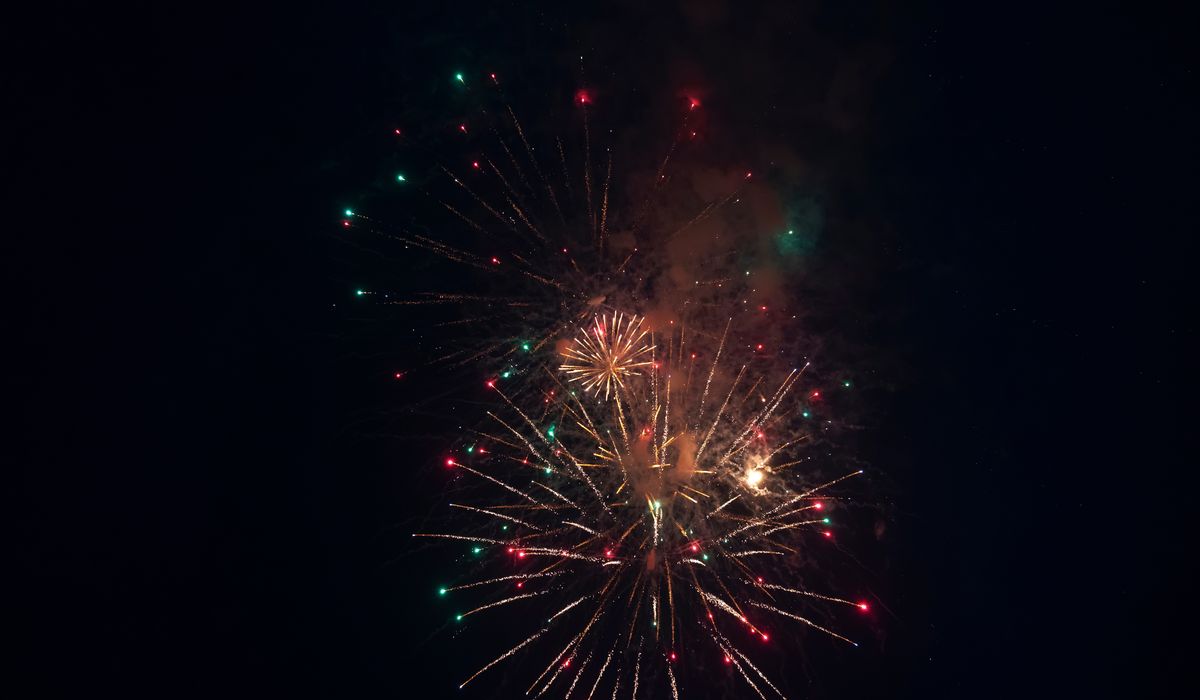
A New Year’s Eve fireworks display in Omaha, Nebraska, ended much earlier than planned when a man accidentally tripped over a cord, cutting the show short and leaving attendees surprised and scrambling for answers.
The outage happened as the crowd watched the final set of fireworks, when a single misstep disrupted the wiring or firing system and stopped the pyrotechnics. Organizers scrambled to diagnose the problem while audience members reacted with confusion and frustration. The abrupt ending turned what should have been a carefully timed moment into an awkward, early finale.
Fireworks shows rely on precise timing and secure setups, and a stray trip hazard can have outsized consequences for both the program and safety. When a cord is disturbed, it can sever a connection, trigger a safety cutoff, or unsettle equipment that requires immediate attention. Even if no one is hurt, the disruption forces technicians to address electrical or launch-control issues before resuming any display.
People at the event described a sudden lull where the expected crescendo never arrived and silence took over the plaza or park. Some attendees laughed it off, others voiced disappointment, and a few worried about whether the stoppage was a safety concern rather than a mere accident. The atmosphere shifted quickly from celebratory to uncertain as staff moved through the crowd to assess and secure the scene.
Event crews typically lay out cables and firing control lines with tape, covers, or cord ramps, but in crowded, dim settings those protections can be missed or become trip points. Temporary setups and last-minute changes increase the chance that something will be out of place. Proper cable management and visible markings are basic risk controls that are easiest to overlook when teams are executing under time pressure.
Organizers must balance show timing, public access, and emergency planning, which becomes evident when a single mistake halts a large public spectacle. In many community events, volunteers and short-staffed crews handle labor-intensive tasks, and a minor oversight can cascade quickly. That reality often prompts stricter checks and updated procedures for future gatherings.
The crowd’s reaction was part bemusement, part annoyance, and part relief among those who worried about safety during a packed celebration. Some took videos and posted them online, turning the early cutoff into a viral moment of New Year humor. Others reached out to event lines asking about refunds or rescheduling, reflecting ongoing expectations for a paid or ticketed experience.
Insurance and permit rules for fireworks displays require contingency plans, and an unexpected shutdown can trigger notification and reporting steps for local authorities. City officials and fire marshals expect event managers to secure public safety and to document incidents, even when the outcome is noninjury and purely technical. That paperwork can influence future permits and requirements for more robust protective measures.
Local emergency responders were not reported to have been treating injuries at the scene, suggesting the disruption was an operational failure rather than a medical emergency. Still, organizers typically review camera footage, crew reports, and equipment logs to understand precisely what went wrong. That review helps determine whether the trip was avoidable or part of a series of contributing factors like poor lighting or hurried setup.
For the people who came out to celebrate, the abrupt ending left mixed memories: a story to tell and an evening that did not follow the program. Event planners will likely treat the incident as a teachable moment and revise checklists to include extra cord protection and clearer crowd control. The human element — a single misstep — reminded everyone how fragile elaborate public spectacles can be and how much depends on careful small details.
Future shows in similar settings often adopt incremental fixes after an incident like this, adding physical covers, rerouting foot traffic, and expanding the crew responsible for pre-show safety walks. Those changes are rarely dramatic but can prevent repeat mishaps by removing obvious trip hazards and ensuring redundancy in control systems. As celebrations are planned next year, the lesson from Omaha will be a quiet but persistent prompt to tighten the basics of on-the-ground event safety.

