

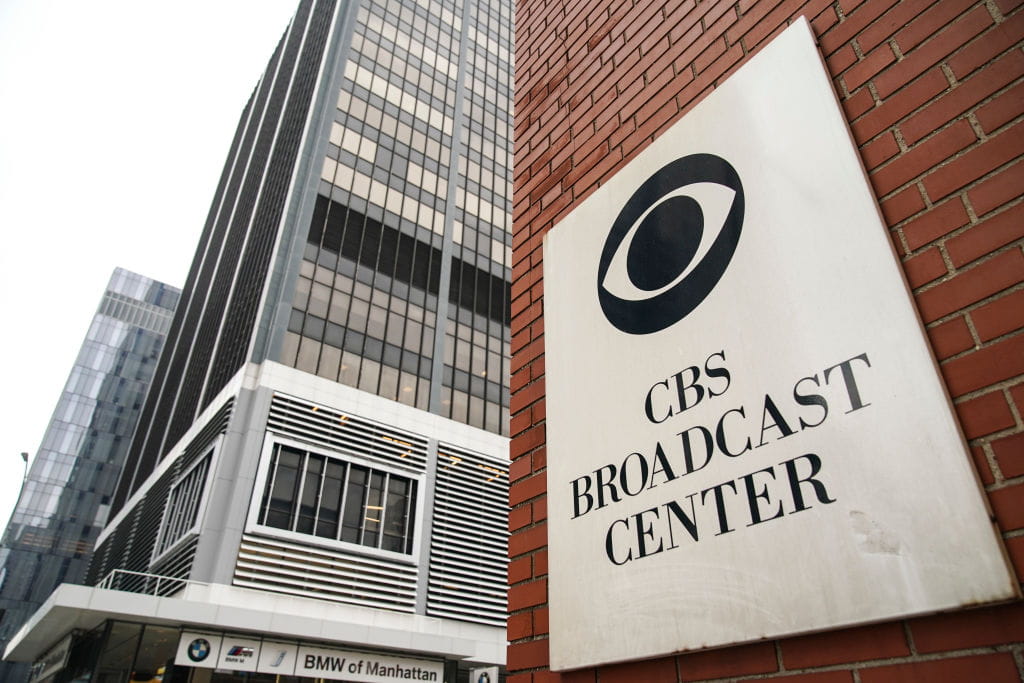
Mary Walsh, a long-time CBS producer, quit after saying she faced pressure to conform amid new leadership changes, sparking debate over newsroom direction and journalistic standards.
It never ceases to amaze how supposedly experienced big-box media types can’t fathom that it isn’t hard to look up receipts. Mary Walsh, described in some accounts as a “veteran CBS news producer,” announced her resignation on February 27 after a 46 years career with the network. Her exit put a spotlight on how newsroom cultures respond when leadership signals a shift in editorial tone.
The story isn’t just about one person leaving a job after decades. It’s about the friction that appears when management hints at a change in the political flavor of coverage and long-tenured staff feel pressured to bend. That pressure can show up as subtle nudges, forced reassignments, or an atmosphere where asking questions about direction becomes risky.
From a Republican perspective, the public has every right to expect balanced coverage and transparency about editorial shifts. When a major outlet signals it wants to move away from perceived bias in one direction, employees who built their careers under the old guard can feel targeted or sidelined. That makes resignations like Walsh’s less about personality and more about how institutions handle ideological change.
Newsrooms are rare spaces where editorial philosophy and personnel overlap intensely, and the transition is rarely seamless. Management hires, public statements, and the framing of internal memos all send strong signals to staff about what is now acceptable. Those signals matter because they shape what viewers see and what stories get amplified.
Many inside legacy media still act as if institutional memory doesn’t exist, shrugging off staff concerns by insisting change is inevitable and harmless. That approach underestimates the knowledge held by long-serving producers and reporters, who know where the records live and how stories were handled. Ignoring that expertise invites avoidable collapses in trust and credibility.
Audiences aren’t stupid; they notice when a network’s tone shifts or when familiar voices disappear. A sudden editorial swing can feel like manipulation rather than a healthy evolution, especially if it isn’t accompanied by clear explanations. The best way to avoid that perception is openness about editorial goals and respect for newsroom experience.
There’s a practical point here as well: if executives want to reshape coverage, they should do it transparently and with dialogue, not by creating an environment where long-serving staff are forced to choose between compliance and departure. That kind of pressure does not produce better journalism; it produces departures, grievances, and sometimes public controversy.
Walsh’s decision to leave after 46 years is a reminder that newsroom loyalty is not unlimited. When institutional changes feel like ideological tests, people who have given decades of service will reassess their place. That moment is an opportunity for networks to demonstrate respect for both institutional history and any new editorial direction they claim to pursue.
For viewers who care about honest reporting, the lesson is straightforward: watch how outlets handle personnel changes and whether they explain the reasons behind shifts in coverage tone. If leadership wants to change the game, transparency beats coercion every time. The public trusts outlets that treat their staff and their audience with clear, straight talk.

