

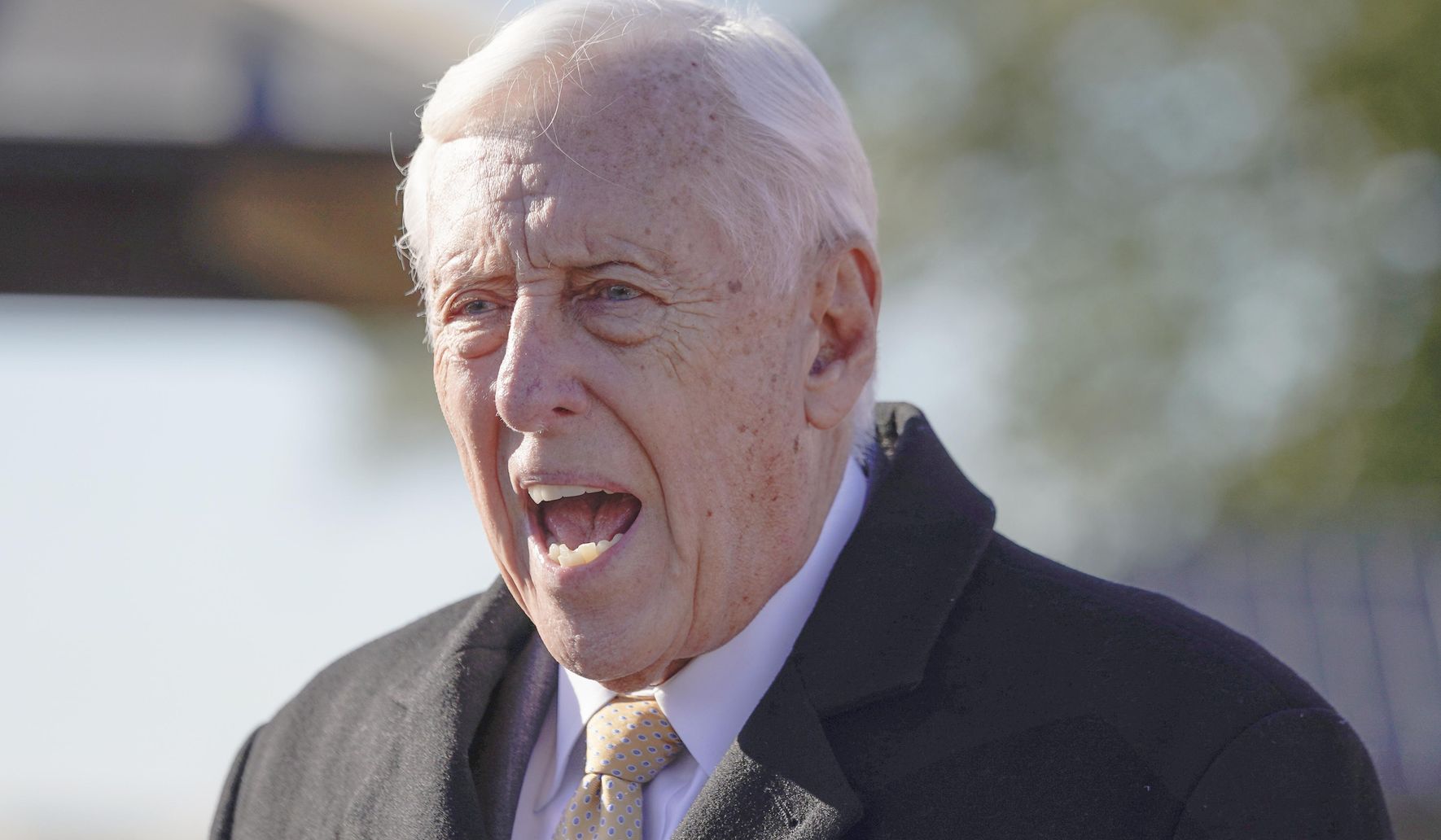
Rep. Steny Hoyer’s retirement shakes up long-running House leadership dynamics and prompts a fresh scramble for influence in Maryland and in Congress.
Rep. Steny Hoyer, Maryland Democrat, will reportedly announce his retirement from Congress on Thursday. For decades Hoyer has been a fixture in Washington, occupying top House leadership posts and shaping Democratic strategy, so his decision to step down matters beyond a simple change of personnel. Conservatives will see this as a moment to press their case about change and accountability in the federal government. Voters in Maryland and nationwide will be watching how his party fills the gap he leaves behind.
Hoyer built a long career inside the House, known for navigating internal party debates and managing votes. From a Republican viewpoint, his tenure illustrated how entrenched leadership can dominate the agenda and protect party priorities at the expense of wider voter concerns. His departure will create opportunities for Republicans to challenge policies that were shepherded through under his watch and to make the case for a different direction. It also opens space for more conservative voices to argue for a renewed focus on spending restraint and local accountability.
The timing of the announcement matters because retirements reshape committee assignments and campaign maps well before any successor is chosen, and that has real effects on legislation. When long-serving members leave, those institutional ties break and new personalities and priorities take over, often shifting the balance on key bills. Republicans should be ready to exploit any disarray in Democratic ranks to advance reforms and scrutinize the incoming candidates. A credible, disciplined opposition benefits from such transitions because it forces voters to weigh alternatives rather than accept continuity by default.
On the ground in Maryland, the race to replace a figure like Hoyer will be competitive and high-profile, drawing veteran politicos and fresh faces alike. The contest will test which local priorities—economy, crime, or federal spending—resonate with voters who have grown wary of Washington insiders. Republicans can leverage this moment to highlight their messages at the state and district level where tangible concerns like property taxes and job growth hit home. A strong local campaign that ties national issues to everyday costs can turn a leadership retirement into a pickup opportunity over time.
Nationally, leadership retirements force both parties to reassess strategy, messaging, and coalition-building, and Republicans can be straightforward about offering alternatives. Emphasizing fiscal discipline, parental school choice, and tougher stances on border and public safety issues will contrast sharply with the old guard approach. The GOP should focus on presenting clear, concrete policy proposals that voters can compare directly to the record associated with long-tenured lawmakers. In the short term, Republican operatives will watch committee reshuffles and fundraising shifts, then move to capitalize on any openings.
There is also an institutional angle: when senior members exit, mentorship and memory walk out the door with them, which can either fracture a party or create a chance to rebuild. Republicans benefit from steadier messaging and disciplined candidate recruitment during these windows, so preparation matters now, not later. If conservatives want to translate turnover into durable gains, they must pair political opportunity with a disciplined long game that includes local organizing and persuasive national messaging. The end of one era in Congress is always the start of multiple new ones, and Republicans will push to make those new chapters reflect their priorities rather than a repeat of old patterns.

