

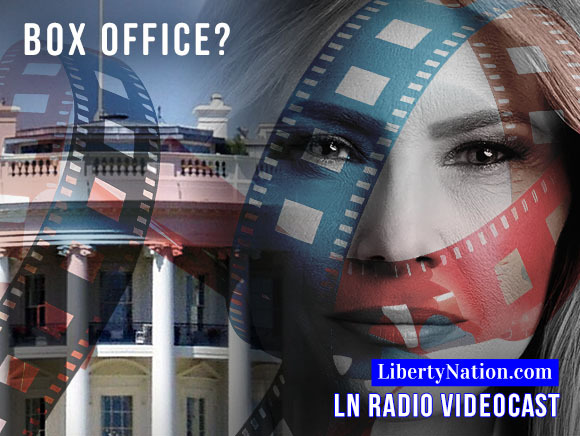
Melania Trump’s recent box office draw has turned a simple entertainment payday into a political punching bag, and that clash says more about our media and political theater than about the woman herself.
Melania makes bank at the box office and the reaction from political circles was predictable: some actors rushed in to make a point. Instead of treating it like a business success, too many commentators turned it into a referendum on politics and personality. That shift matters because it changes how Americans see private enterprise when public life is involved.
From a Republican standpoint, there is nothing wrong with a former first lady earning on her own terms. Private citizens should be free to pursue opportunities without becoming targets for political performance art. When profit becomes a badge of shame for one side and a trophy for another, we lose sight of principle and drift toward rank partisanship.
The media’s appetite for drama feeds this cycle. Coverage often zeroes in on optics and outrage instead of the facts of a deal or the simple reality that people pay to see movies and personalities. That selective intensity is part of a broader bias where some entertainment projects are weaponized depending on who’s involved. Conservatives see a double standard when similar actions by ideology-aligned figures are treated differently.
There is also a cultural angle that gets overlooked. Celebrity projects are entertainment first and political second, even when the figure at the center has a history in public life. When political actors insist on turning every cultural moment into a political crusade, it cheapens both the politics and the culture. People who want political debate can have it, but they should not be allowed to hijack a marketplace transaction to score partisan points.
Social media amplifies the noise. Hot takes move faster than facts and then become the narrative regardless of accuracy. That environment rewards performative outrage and punishes nuance, which benefits no one, but especially hurts anyone trying to run a legitimate business or creative project. Conservatives argue for a fair media playing field where commentary is proportional and interested parties do not distort the record for clicks.
Let’s be clear about incentives. If a project draws customers and turns a profit, it did what businesses are supposed to do. Success in commerce does not automatically translate into a political endorsement, nor should it be treated as one. Republicans tend to defend the principle that private citizens can participate in commerce without being subjected to politicized character attacks simply because their name carries historical weight.
The bigger picture here is about priorities. Our public conversation is clogged with symbolic skirmishes while real policy fights get sidelined. When political actors choose to spotlight a celebrity payday instead of focusing on issues like the economy, national security, or personal liberty, the electorate loses. A party that values limited government and free markets should push back against politicizing ordinary business activity.
At the end of the day this episode is less about fame and more about how we respond to it. Turning a box office check into a political event tells you more about the people shouting the loudest than it does about the person being discussed. If conservatives want to win hearts and minds, defending the right of individuals to profit from their labor without being dragged through political theater is a clear, principled stance.

