

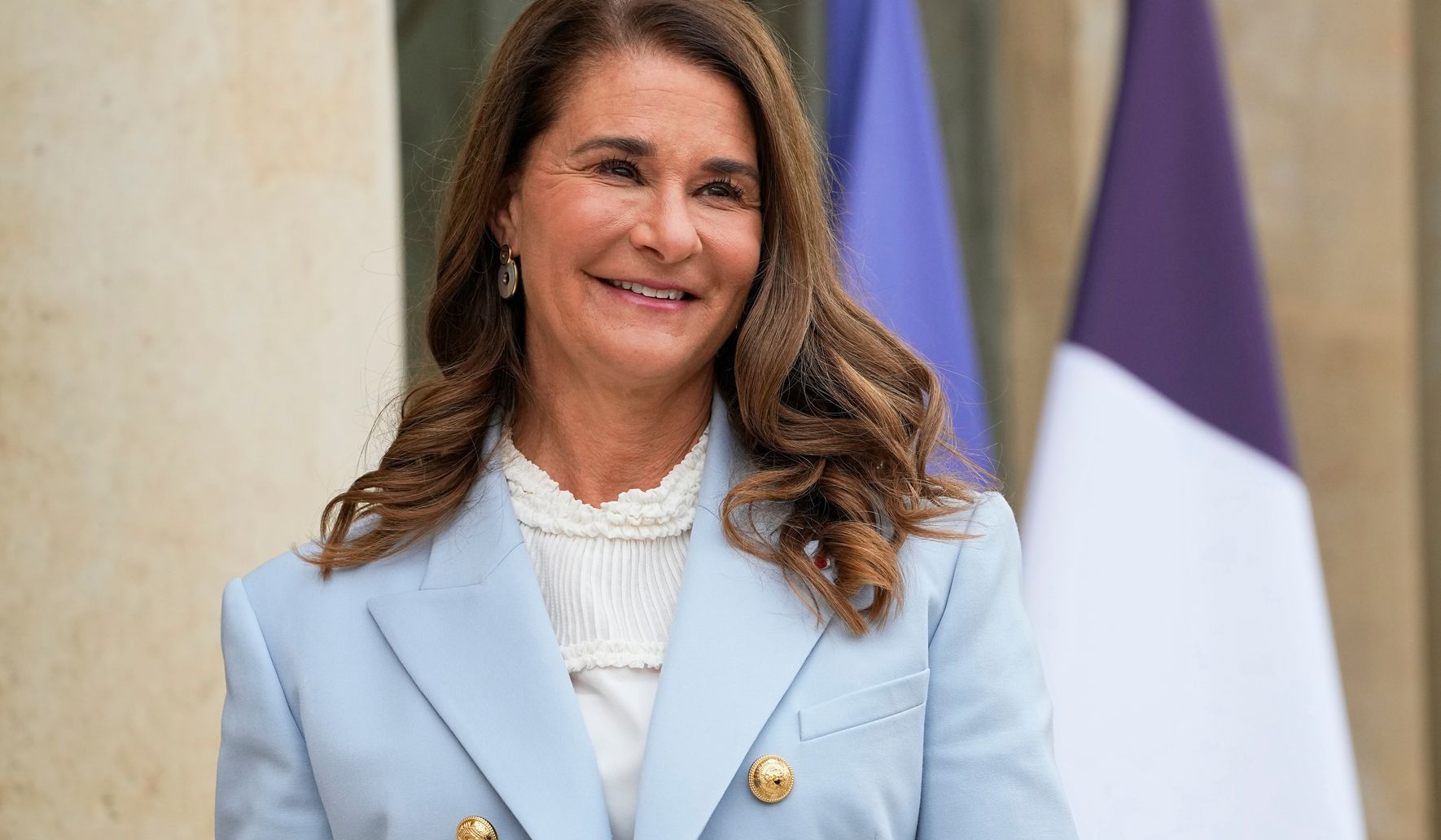
Melinda French Gates, described as a billionaire philanthropist and businesswoman, is set to become a minority investor in the Seattle Kraken, with the move awaiting NHL approval. This marks a notable moment for the franchise as it adds a high-profile owner whose background spans tech, business, and large-scale philanthropy.
Seattle’s NHL club is entering a new ownership chapter with the announced plan to include Melinda French Gates as a minority investor, pending the league’s formal sign-off. The Kraken launched in 2021 and have steadily built a presence in the Pacific Northwest, and this investor addition draws national attention to the franchise’s future. The announcement confirms a growing trend of prominent figures taking ownership stakes in major sports teams.
French Gates brings a public profile rooted in philanthropy and prior business leadership, and her involvement could broaden the team’s community and charitable reach. Her background includes extensive work in global health, gender equity, and technology philanthropy, areas that could intersect with the Kraken’s outreach programs. As a minority investor, she will not be in sole control but will join a group of owners shaping organizational priorities.
Ownership shifts like this often aim to blend capital investment with strategic community engagement, and Seattle could benefit from both kinds of support. The Kraken have already invested in local development and fan experiences since their inception, and the addition of a widely recognized philanthropist could amplify those efforts. Investors with public philanthropic profiles sometimes influence a team’s public programs and charitable partnerships, which can change how teams engage with their cities.
The NHL’s approval process for new investors examines financial, legal, and reputation criteria, and pending approval means the league will review the move before it becomes official. That vetting process is standard for ownership changes at this level and ensures stability and compliance with league rules. Once approved, the formal documents and public filings will reflect the new ownership percentages and any governance implications.
For fans and observers, the immediate questions will center on what this partnership means for team operations, community initiatives, and long-term vision. Minority investors typically offer capital and influence without daily operational control, so existing leadership will remain responsible for on-ice decisions and front office strategy. Still, high-profile additions to an ownership group can shift public expectations and open doors for new partnerships.
Local nonprofits and civic projects often look to professional sports teams as partners, and a philanthropist investor could bolster collaborations in education, health, and civic engagement. The Kraken have already participated in youth programs and sustainability efforts, and an investor known for philanthropic investment could expand or deepen those commitments. These kinds of alliances can also enhance a team’s brand and give fans more ways to connect with the franchise off the ice.
From a market perspective, the involvement of a billionaire investor helps validate the franchise’s growth and the value of sports assets in the region. Sports ownership remains an attractive vehicle for long-term investment, community influence, and high-profile visibility. Pending NHL approval, the Seattle Kraken’s announcement signals a continuing maturation of the franchise as it attracts influential stakeholders and builds toward its next phase of development.

