

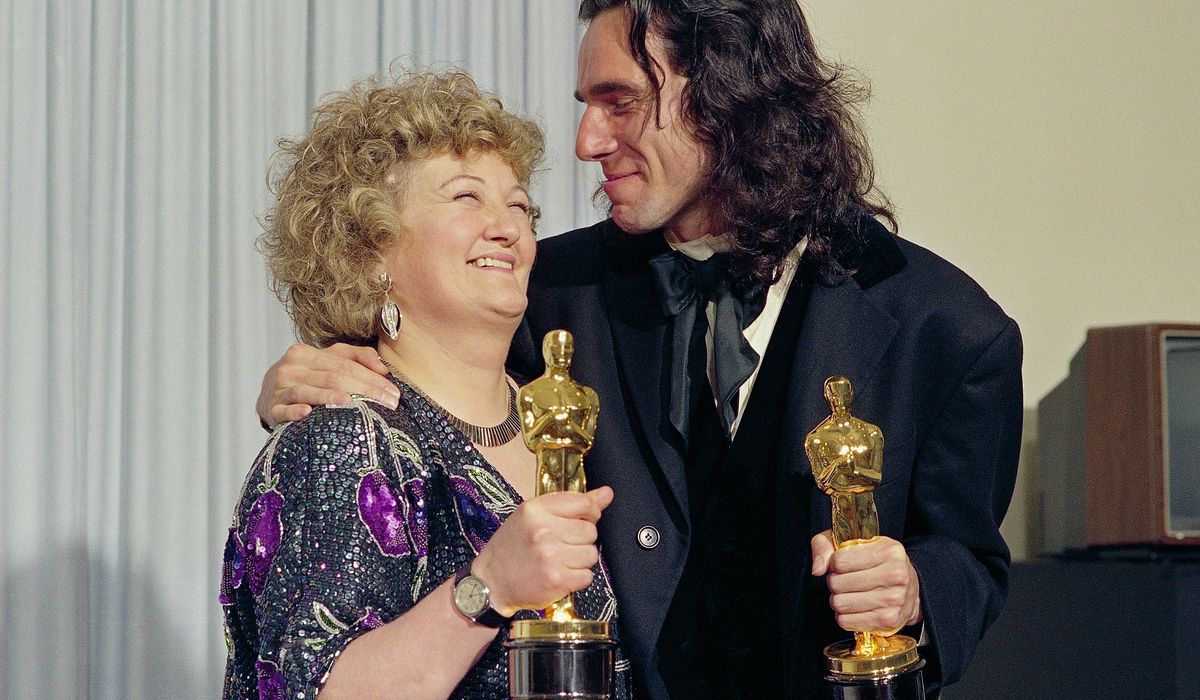
Brenda Fricker, the Irish actress best known for winning an Academy Award for “My Left Foot” and for her warm, unforgettable turn as the “Pigeon Lady” in “Home Alone 2: Lost in New York,” built a career defined by quiet strength and plainspoken humanity.
Born and raised in Ireland, Fricker developed a reputation for performances that felt lived-in and true rather than flashy. She moved between stage, television and film with a steady confidence, earning respect from colleagues and audiences alike. Her presence onscreen often brought a sense of ordinary dignity to characters who might otherwise have been overlooked.
Her Academy Award for “My Left Foot” marked a major milestone, recognizing an actor who could convey depth in subtle gestures and small moments. In that film she played the mother of Christy Brown, delivering a performance that balanced toughness with tenderness. That role opened doors and gave viewers a clear sense of her ability to ground even dramatic material in realism.
To many moviegoers, though, she is also the instantly recognizable “Pigeon Lady” from “Home Alone 2: Lost in New York,” a brief but memorable turn that showcased her warmth and comic timing. It was the sort of role that lodged in the public imagination, a character who, despite limited screen time, felt like a real person. Those few scenes reinforced Fricker’s gift for making supporting parts feel essential.
Across a long career she returned again and again to roles that emphasized human connection, whether on television dramas or in smaller independent films. Casting directors often sought her out when they needed credibility, humor and a sense of lived experience. Her work refused to be ornamental; it served the story and anchored the other performances around her.
Fricker’s style was economical, favoring naturalism over theatrics, and that approach won her awards as well as the quiet admiration of peers. She was an actor who seemed more interested in the truth of a scene than in applause, and that made her memorable in ways bigger accolades sometimes miss. The realism she brought to parts created an emotional shorthand viewers recognized instantly.
Even when she stepped into lighter material, Fricker retained a seriousness that lent weight to jokes and made heartfelt moments land. Directors learned they could shape a film’s tone around her ability to balance humor and pathos. That versatility kept her working steadily across decades and across different kinds of projects.
Offscreen she maintained a reputation for being approachable and down-to-earth, the sort of person people described as generous with time and conversation. Colleagues recalled her as someone who elevated a set simply by being present and attentive. Her career is a reminder that steadiness and integrity in craft can leave as lasting an impression as any headline-grabbing role.

