

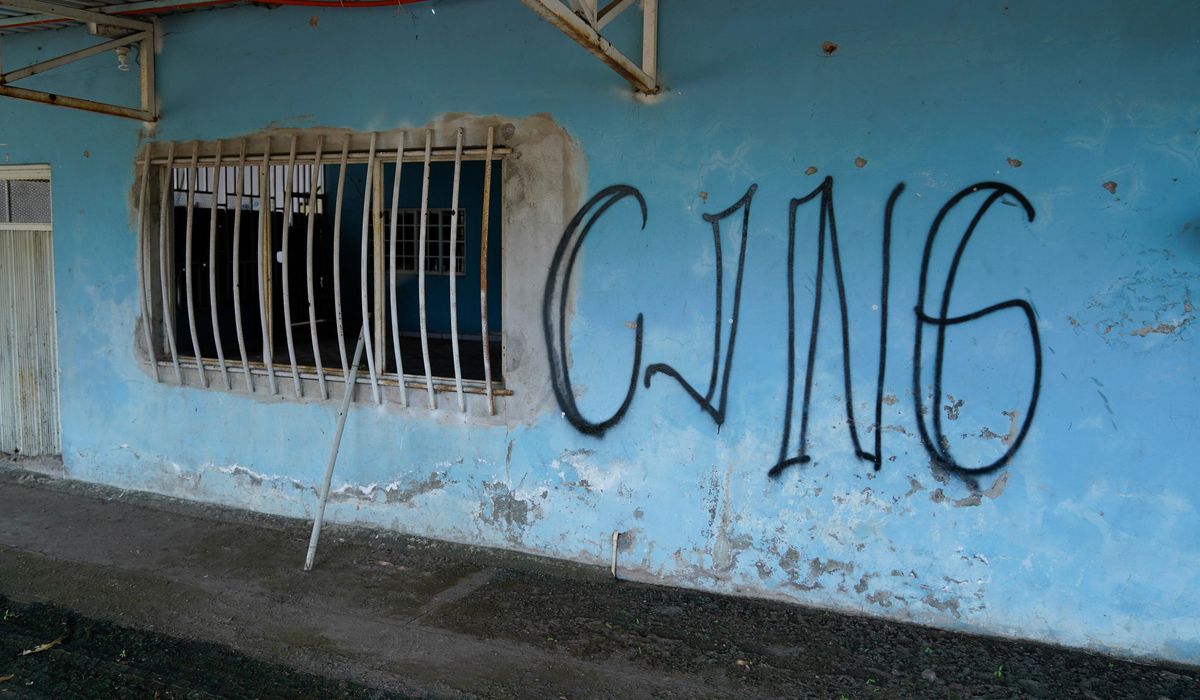
A Mexican national who worked directly with one of Mexico’s most prolific and dangerous drug cartels pleaded guilty Monday to a drug-trafficking conspiracy charge and a firearms offense.
The defendant entered a guilty plea in federal court Monday, admitting involvement in a drug-trafficking conspiracy and a related firearms offense. The admission confirms a hands-on role with a major Mexican cartel, a detail prosecutors emphasized when bringing charges. Pleas like this are often used by prosecutors to resolve complex transnational cases without a full trial. The judge will now move toward scheduling sentencing and any required pre-sentencing reports.
Federal drug-trafficking conspiracy charges typically allege that the defendant participated in an agreement to distribute controlled substances across borders. Those cases can involve long investigative timelines, multiple cooperating witnesses, and evidence gathered from both domestic and international partners. Firearms offenses in these prosecutions are frequently linked to the trafficking organization’s insistence on armed enforcement and protection. Together, those charges paint a picture of criminal networks that use violence and fear to control smuggling routes and markets.
Federal prosecutors often prioritize cases that involve direct ties to organized transnational groups because of the broader public safety implications. When an individual admits to working “directly with” an organization, that language signals involvement beyond a casual or peripheral link. That distinction can affect charging decisions, potential enhancements at sentencing, and the allocation of investigative resources. Law enforcement agencies on both sides of the border coordinate to trace supply chains, financial flows, and weapons trafficking that enable cartel operations.
Plea deals can be strategic for both sides: prosecutors secure a conviction without the time and expense of trial, while defendants may obtain more predictable outcomes than risking a jury verdict. The terms of cooperation, if any, are often sealed until sentencing, and defense attorneys will argue for mitigating factors during hearings. Even without public cooperation agreements, a guilty plea itself can simplify the government’s path to conviction and allow resources to be focused on higher-level targets. Sentencing guidelines and statutory penalties will shape the ultimate punishment.
Drug-trafficking conspiracies span a wide range of activities, from organizing shipments and handling cash to arranging distribution networks and laundering proceeds. Firearms offenses tied to these conspiracies can include illegal possession, transfer, or use of weapons to facilitate narcotics operations. Prosecutors frequently link weapons charges to efforts to intimidate rivals, secure smuggling corridors, and protect contraband shipments. Courts consider both the drug quantity and the role a defendant played when determining sentence ranges.
The cross-border nature of cartel activity requires multiagency cooperation, often involving federal, state, and international partners. Evidence can come from intercepted communications, forensic financial analysis, surveillance, and witness testimony. Mutual legal assistance treaties and joint investigations help bridge jurisdictional gaps when crimes originate or have significant effects abroad. That cooperative model has led to numerous indictments and guilty pleas in recent years as authorities target both street-level operatives and higher echelon coordinators.
Public safety concerns drive much of the prosecutorial focus on cartel-linked cases, including the collateral harm that trafficking organizations inflict on communities. The presence of armed criminal groups can destabilize neighborhoods, increase violent crime, and strain local law enforcement resources. By pursuing prosecutions that dismantle supply lines and hold operatives accountable, prosecutors aim to reduce those harms and disrupt the business models that sustain organized crime. Courts balance those public interests against the legal protections afforded to every defendant.
The next steps in this matter include pre-sentencing investigations and hearings that will set the factual record for the court. Sentencing will reflect statutory mandates, any acceptance of responsibility, and the defendant’s criminal history, if applicable. Victim impact and community safety considerations may also inform the judge’s decision. Regardless of the specific outcome, a guilty plea marks a significant legal milestone in the government’s efforts to counter cartel-driven trafficking and weapons offenses.

