

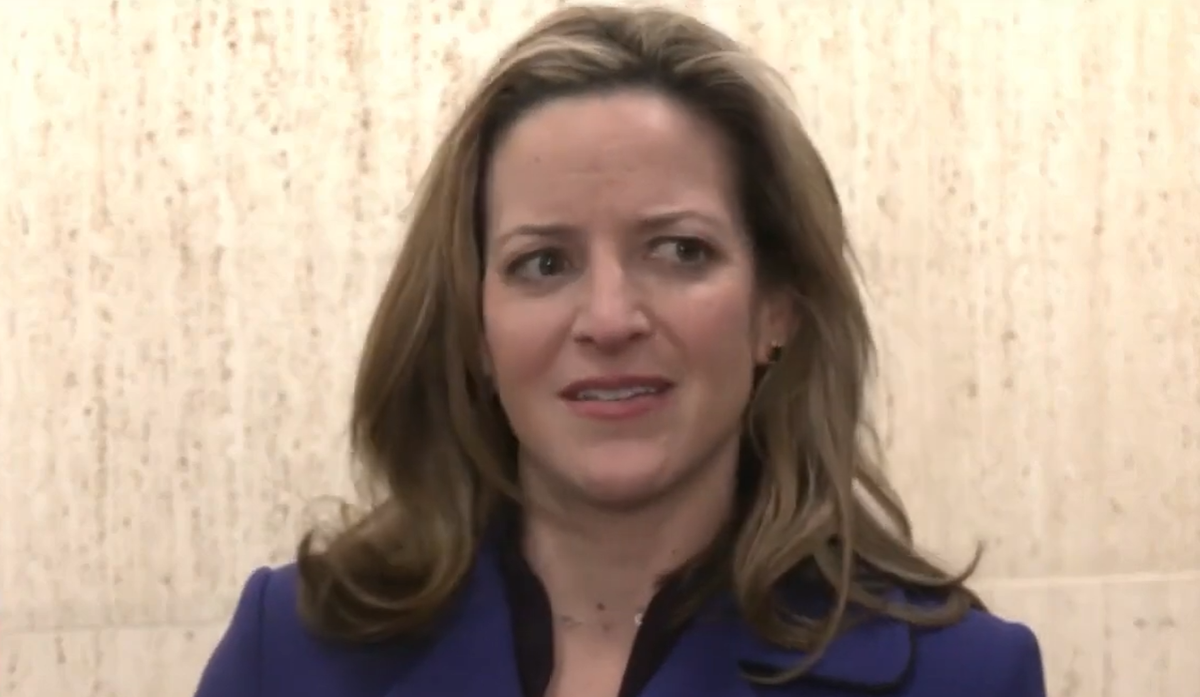
Michigan Sec. of State Jocelyn Benson, a Democrat, will oversee her own election results when she appears on the ballot.
This situation raises straightforward questions about fairness and public confidence in elections. Republicans argue that no one should be in charge of validating outcomes where they have a direct institutional stake, and they want clear, enforceable safeguards.
At the center is the simple fact that the officeholder responsible for running statewide elections is also a candidate in those same contests. That combination can look like a conflict of interest even if no rules are broken. Voters expect the process to be beyond doubt, so appearances matter as much as the procedures themselves.
State GOP leaders and conservative commentators have pointed to the appearance problem repeatedly, saying oversight should be independent. They emphasize routine fixes like recusal policies and outside audits to remove any hint of self-dealing. Those proposals are framed as common-sense steps to restore faith in results.
The Secretary of State’s duties are broad: running voter rolls, certifying results, and overseeing local election administrators. When the officeholder is on the ballot, critics argue that control of those duties creates a problematic overlap. Supporters of the current setup respond that legal checks already exist in the system of county clerks, canvassing boards, and courts.
Republicans stress that safeguards need to be more than theoretical. They point to timely, transparent reporting of chain-of-custody actions, public access to audit logs, and third-party risk-limiting audits as practical safeguards. Those measures aim to make verification fast, repeatable, and visible to the public and to party observers alike.
Some proposed legislative responses would require a temporary handoff of certification authority in races where the secretary is a candidate. Others suggest expanding bipartisan review panels for crucial steps in the canvass. Opponents say such rules could be disruptive or politically motivated, but proponents call them modest and targeted.
Legal challenges are a fallback tool for parties worried about outcomes, and Republicans are prepared to use the courts when they see irregularities. The court system offers a neutral venue to test allegations and force discovery when necessary. That process takes time, and many conservatives want quicker administrative fixes to prevent litigation in the first place.
Public trust is the real currency here, and Republicans frame their concern plainly: people must believe their votes matter and are counted fairly. Administrative reforms and stronger transparency measures are offered as ways to rebuild trust without undermining the rule of law. Lawmakers on both sides could find common ground on steps that are practical and defensible.
The debate also touches on broader questions about how to structure election administration to avoid perceived conflicts in the future. Some states separate administrative roles from partisan officeholders, while others keep them combined for accountability. Republicans point to models that reduce direct control by candidates as a reasonable path forward.
Conversation over these changes is likely to intensify as the next election approaches, with Republican voices pushing for clear, enforceable standards. Whatever policy path is chosen, the priority from this perspective is simple: tighten rules so nobody doubts the legitimacy of certified results. That aim guides the push for reforms centered on transparency, independent review, and speedy verification.

