

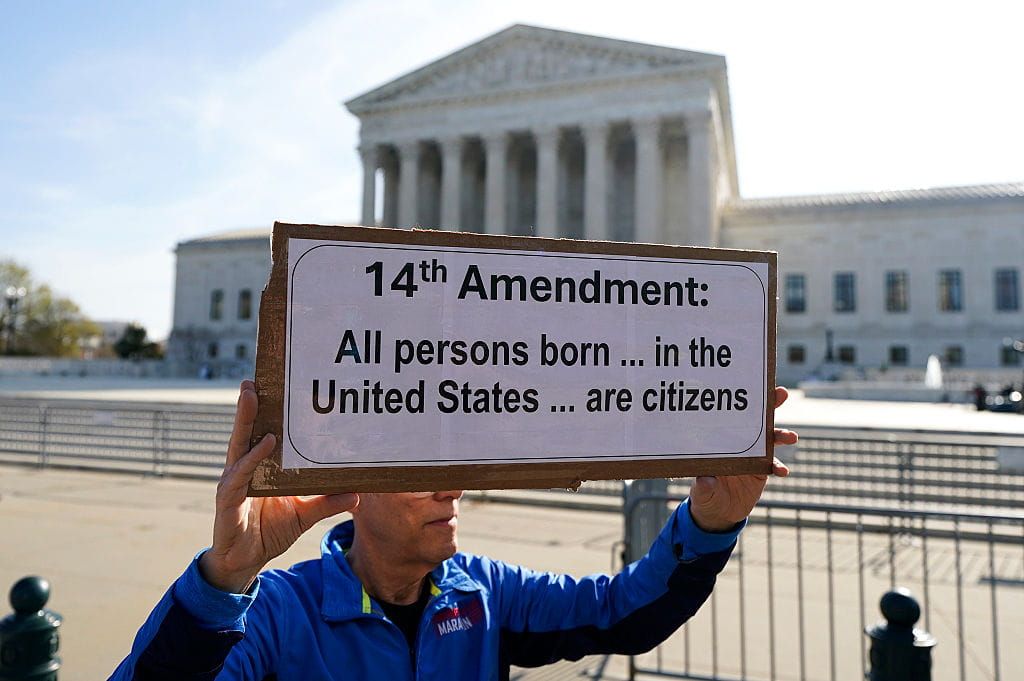
Birthright Citizenship Is the Law of the Land — a Supreme Court decision that cements birthright status for children born here, shapes politics, and forces lawmakers to choose between upholding the Constitution or changing it.
The recent ruling arrived with clear constitutional force on Jul 1, 2026, reasserting that the 14th Amendment’s citizenship clause covers children born on U.S. soil. The decision resolves a long-running national debate by applying longstanding legal principles to modern immigration realities. It lands squarely in the middle of politics, law, and practical governance.
US Supreme Court holds children of illegals are Americans. The Court’s majority relied on the plain text and historical context of the 14th Amendment, signaling that the framers’ language about “subject to the jurisdiction” of the United States admits very few exceptions. That reasoning follows precedents that look to words and original meaning, rather than shifting policy preferences.
For conservatives who favor secure borders and orderly immigration, the decision is a mixed result: it affirms the law but does not solve the root problem of an open southern border. Lawmakers who want different outcomes now face two clear options: pass a constitutional amendment to change citizenship rules or craft immigration laws that address return, removal, and status without contradicting the Court’s reading. Neither path is easy, and both require political will that has been in short supply.
The ruling makes the policy stakes unmistakable. If citizenship is assured at birth regardless of parental status, then upstream reforms become the priority — tightening entry, speeding removals, and denying incentives that encourage illegal crossings. Republicans who have been consistent on border enforcement can point to this clarity and push for meaningful legislative fixes. The public will judge leaders on whether they use the certainty provided by the Court to restore order at the border.
Opponents of the decision argue it rewards illegal entry and burdens communities with higher public costs. Supporters counter that the Constitution, not political preference, governs who is a citizen. Both sides know a legal declaration does not erase the political and fiscal consequences of mass, uncontrolled migration, which remain an urgent Republican talking point.
Practically speaking, agencies will need updated procedures to reflect the ruling while states face pressure over education, healthcare, and welfare systems. Expect disputes over how new citizens access benefits and how state budgets absorb the financial load. The ruling does not automatically expand benefits, but it does change who has a legal claim to them, and governors and legislatures will respond differently across the country.
Politically, this decision sharpens the 2026 landscape. Voters who care about immigration will look for candidates with realistic plans to secure borders and reform the system without violating constitutional guarantees. Republican messaging will emphasize border control, the rule of law, and clear legislative fixes rather than treating the Court’s ruling as a policy failure. That disciplined focus helps turn legal clarity into political momentum.
Legally, the debate turns on jus soli versus jus sanguinis traditions, public meaning of the 14th Amendment, and long-standing Supreme Court precedent such as cases that interpret birthright citizenship. The majority’s approach restores predictability: text first, history next, policy last. Critics will still press for different approaches, but those efforts must come through Congress or a constitutional amendment, not through judicial reinterpretation.
This outcome also shifts the practical incentives around migration. With birthright citizenship affirmed, policymakers must concentrate on deterrence, expedited adjudication, and more effective cooperation with partner nations to reduce illegal crossings. Thoughtful Republicans will propose clear rules that separate the legal status of children from the lawfulness of their parents’ entry, while still insisting on stronger enforcement at the border and interior.
The choice now belongs to elected officials: accept the Court’s reading and legislate within that framework or pursue the much harder route of amending the Constitution. Either way, the decision refocuses the fight where it belongs — in legislatures and in elections — and demands policy answers that respect both the Constitution and the need for border integrity.

