

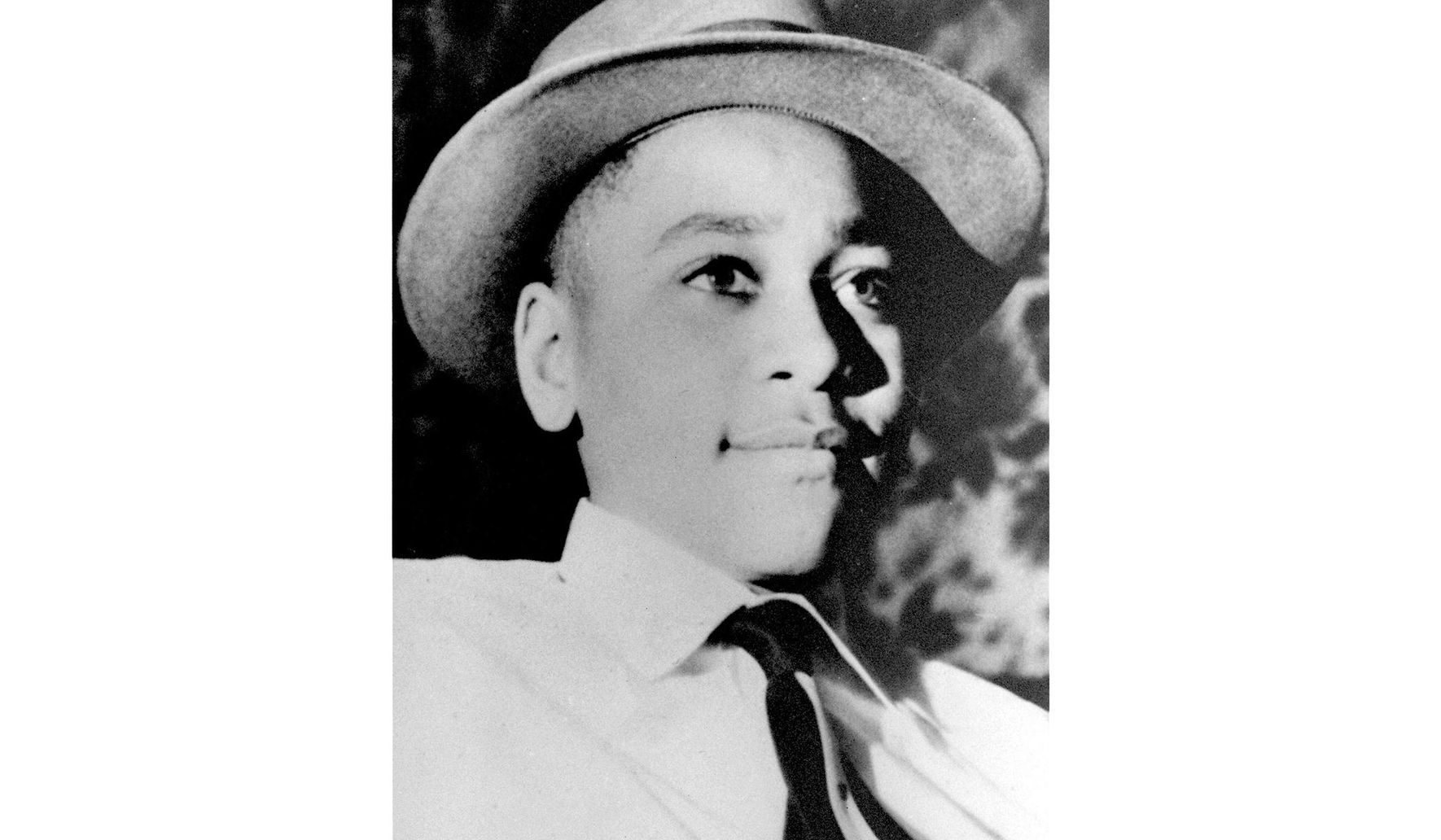
The Mississippi barn where 14-year-old Emmett Till was tortured and killed will be opened to the public as a “sacred” memorial site by 2030, the new owner announced.
The barn in Mississippi tied to the 1955 lynching of Emmett Till draws immediate historical weight, because the brutal killing and the outrage it sparked helped reshape the nation’s conversation about race. For decades the site has been a painful marker of a violent past, visited quietly by researchers, relatives and activists. Turning that private pain into a public place raises questions about memory, respect and who gets to tell the story.
The new owner’s plan sets a clear timeline: open the barn as a public memorial by 2030 and treat the place as “sacred” in its presentation. That single word signals an effort to frame the site not as a spectacle but as a space for reflection and education. Officials and community leaders will have to balance transparency about the past with the dignity owed to the victims and their families.
People who study civil rights history say location matters; sites where violence occurred are often the most powerful places to confront what happened. Visitors who stand where events unfolded can connect with the reality of racial terror in ways that books or museums sometimes cannot. But those same experts warn that turning trauma into an attraction risks trivializing the lived suffering if it’s not handled with clear ethical standards.
Practical work will include preserving the structure, documenting its condition, and developing interpretive materials that explain the context and consequences of the crime. Conservation needs to avoid cheapening the site while still making it safe and accessible to visitors, scholars and descendants. Designing exhibits and programming will likely be the most debated part, because choices about wording, images and artifacts shape how people remember.
Descendants and local residents want a role in decisions about the barn’s future, and their involvement is critical for authenticity. When families and community elders help shape narrative, the result tends to feel less like outside curation and more like collective stewardship. That participation also helps prevent commercial pressures from turning a memorial into a curiosity-driven stop on a travel itinerary.
Funding and governance will determine how successful the project is: public grants, private donations, or nonprofit oversight all come with trade-offs. Each funding route influences who sets priorities and how long-term maintenance is funded, which is essential for a site meant to stand for generations. Transparent oversight structures and a clear preservation plan can reassure skeptics that the barn won’t deteriorate into neglect or exploitation.
There are broader implications for education and civic life when historic violence is made visible and explained at the site where it happened. School groups, historians and visitors can use the barn as a concrete teaching tool about mid-20th-century America, racial terror and the roots of the civil rights movement. Those lessons depend on careful interpretation that connects local facts to national patterns without flattening complex history into a single narrative.
Security and visitor management will be practical concerns as the barn shifts from a seldom-visited location to a place with regular foot traffic, and planners will need policies to protect both the property and the experience. Managing access, preventing vandalism and providing trained staff or docents are part of responsible stewardship. How the site handles these realities will influence whether it becomes a place of sustained learning or a momentary stop on a history tour.
As the 2030 target approaches, attention will focus on milestones: conservation reports, community advisory boards, interpretive plans and funding commitments that move the project from idea to reality. Those checkpoints will offer concrete evidence that the barn’s transformation respects the past while offering a space for public reckoning. The coming years will show whether this effort can hold the memorial’s “sacred” intent while making a painful history accessible for the wider public.

