

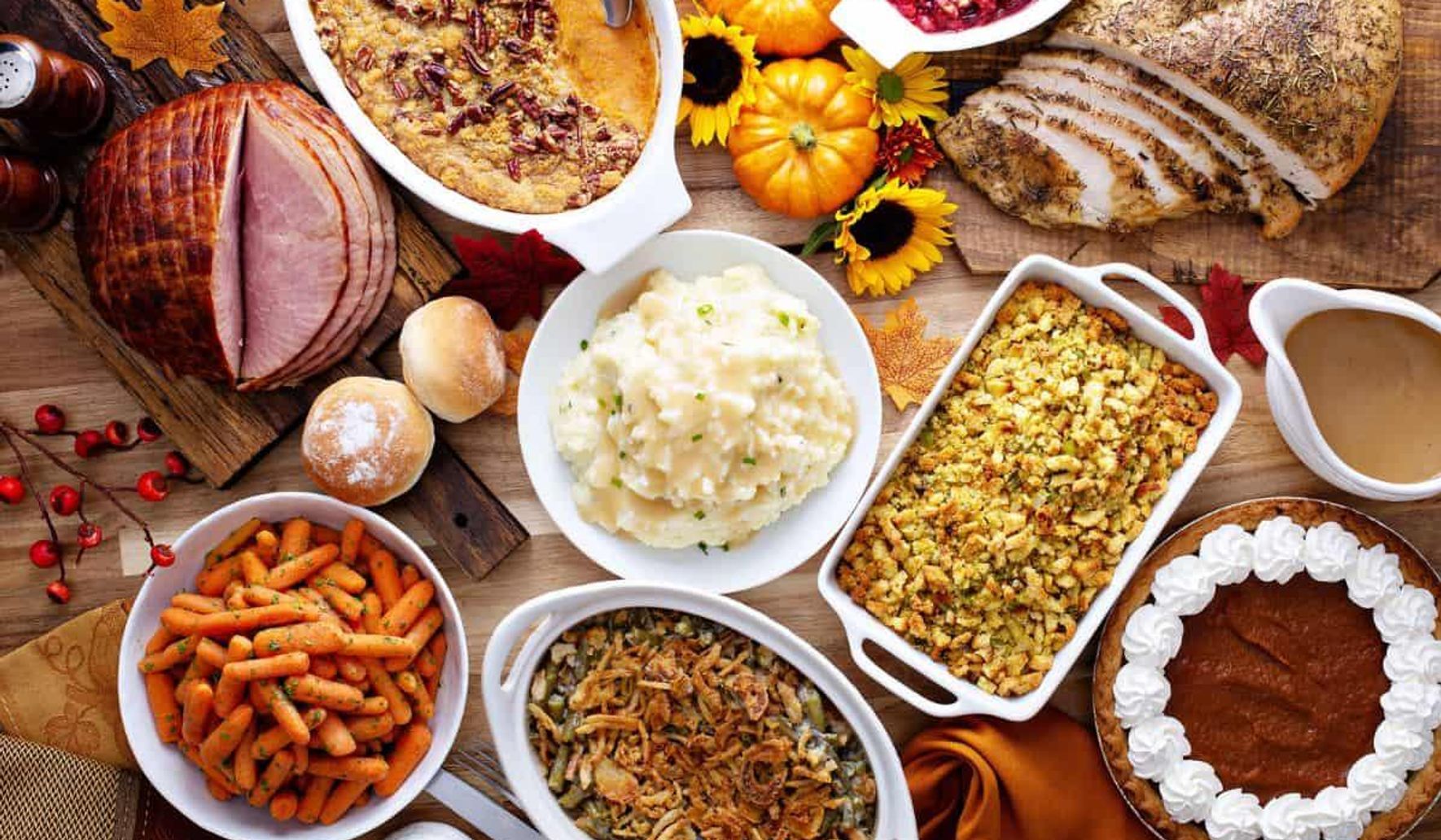
Many Americans are skipping the turkey, and it’s changing how families cook and celebrate.
Roasting a turkey still feels like Thanksgiving to a lot of households, but more people are putting something else on the table. More than 34% of American adults say the turkey is their least favorite traditional holiday item, and that statistic is reshaping menus, budgets, and kitchen plans.
Practical reasons drive the shift. Turkeys are big, require time and a steady hand to avoid dry meat, and often create leftovers people don’t want to handle for days. For busy families and hosts who prefer simpler prep, a smaller roast or an entirely different centerpiece checks off the holiday goals with less hassle.
Taste and texture matter, too. Not everyone loves the dense white meat and salty skin, and some guests find dark meat preferable while others do not. When a third of adults rank turkey low, hosts naturally look for proteins that please a wider set of palates without the risk of overcooking.
Cost is another factor. A whole turkey can be economical per pound, but the true cost shows up in time, energy, and the extras that turn one protein into a full meal. Swapping to ham, roast chicken, or a brisket can keep spending predictable and sometimes reduce waste at the end of the weekend.
Dietary choices and availability of solid alternatives also push change. Plant-based main dishes and vegetarian roasts have improved in flavor and texture, giving families options when someone refuses meat or follows a specific diet. These alternatives also make hosting more inclusive without turning the meal into a negotiation.
Leftovers used to be a big part of the tradition, but attitudes toward them are shifting. Instead of multiple days of turkey sandwiches, some families prefer smaller, fresher meals that don’t require reheating and repurposing. That changes shopping lists and how people plan the week after the holiday.
For hosts who still love the ritual of a roast, there are smarter approaches that reduce the usual turkey pain points. Brining, spatchcocking, and using a thermometer are simple moves that cut down on dry meat and long oven times. Or pick a protein that sears well and finishes faster to free up the kitchen for sides and pie.
Social habits are evolving as well. Many gatherings are smaller or split across different households, and a gargantuan bird no longer makes sense for every table. Potlucks, themed menus, and allotted dishes let guests bring favorites and reduce the pressure on one person to deliver a flawless centerpiece.
The cultural meaning of the meal isn’t disappearing; it’s being repackaged. People still care about coming together, sharing dishes, and honoring whatever traditions matter to them, but the vessel for that intent can be anything that gets people around a table. Food trends change, but the reasons behind them—convenience, cost, taste, and inclusion—tend to stay the same.
Whatever the centerpiece becomes, the practical takeaway is clear: cooks are choosing what works for their households rather than defaulting to a turkey out of habit. That shift keeps kitchens calmer, guests happier, and Thanksgiving adaptable to a wider range of preferences and circumstances.

