

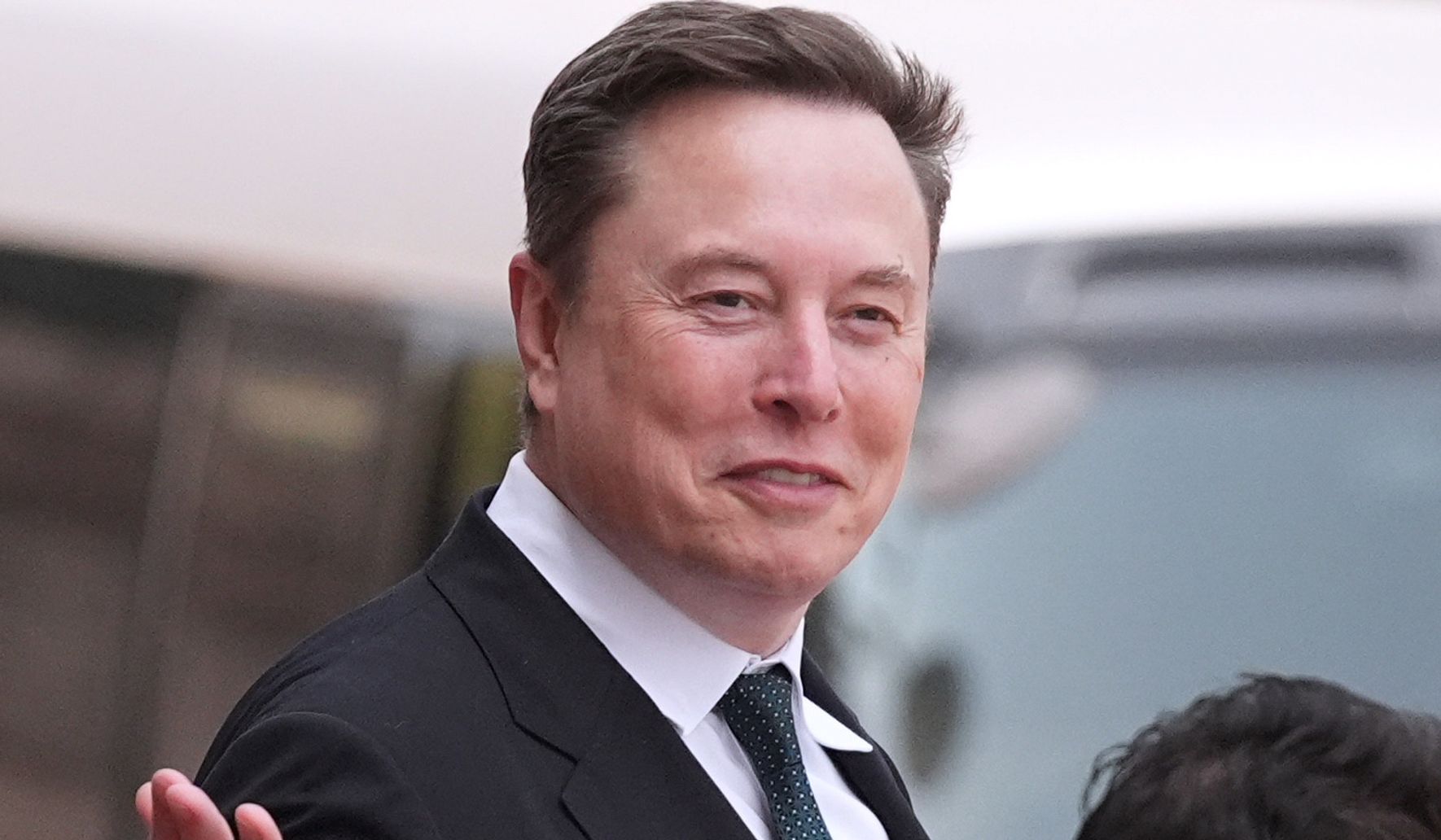
The director of the “Musk” documentary argues that Elon Musk operates less like a hands-on inventor and more like a high-powered investor whose real talent lies in moving markets and managing narratives.
The recent remarks from the director of the “Musk” documentary landed hard and fast, calling into question long-held ideas about how innovations are credited. The director said plainly that Elon is “not an inventor; he’s an investor. His genius is stock pumping.” That line has since become a focal point for debates about leadership, credit, and how modern technology companies actually get built.
On the surface, the claim challenges the myth of the solitary genius tinkering in a garage, and it forces a closer look at the mechanics behind headline-grabbing companies. For decades, technology stories have been packaged around charismatic founders even when complex teams, outside capital, and inherited ideas did the heavy lifting. That mismatch between myth and reality is what the director highlights when pointing to investor playbook moves rather than workshop breakthroughs.
There is a pattern to the critique that is easy to trace: bold promises, dramatic product reveals, and stock reactions that follow big announcements or tweets. Investors and markets respond to narratives, and a founder with media savvy can shape sentiment and valuations in ways that go beyond engineering progress. The documentary angle argues that those market outcomes sometimes overshadow the contributions of engineering teams and suppliers who flesh out the underlying technology.
Another facet the director raises is the role of capital allocation and dealmaking in building large companies, which looks a lot like investing. Combining acquisitions, strategic hires, and public messaging is a kind of commercial choreography that can accelerate growth quickly. That choreography can create the appearance of invention even when much of the technical work stems from established research, acquired teams, or contractors who put pieces together.
There is also a cultural component: the founder as hero is an attractive story for media, customers, and employees, and it simplifies complex organizations into a single, compelling narrative. Documentaries that peel back the layers can unsettle audiences by showing the distributed nature of credit and the financial incentives behind public perception. The director’s quote aims to reframe the story so that value creation and market effects are not automatically equated with solitary inventorship.
Critics of that view point out that leaders who excel at vision and risk-taking do add something crucial, sometimes catalyzing teams and resources to tackle hard problems faster. Investor instincts, strategic bets, and appetite for risk can be the difference between an idea stagnating and a product reaching scale, and those contributions deserve recognition. Still, the documentary invites viewers to separate media spectacle from hands-on invention and to ask who actually designs, tests, and manufactures the tech.
The larger conversation the film stirs up matters for how we reward innovation and attribute success in the future, from venture rounds to boardrooms and university labs. If credit tilts too heavily toward public-facing founders, incentives may misalign for the engineers and researchers who enable breakthroughs. The director’s concise phrasing, “not an inventor; he’s an investor. His genius is stock pumping,” is meant to refocus the discussion on structures of value creation rather than the mythology of a single person.

