

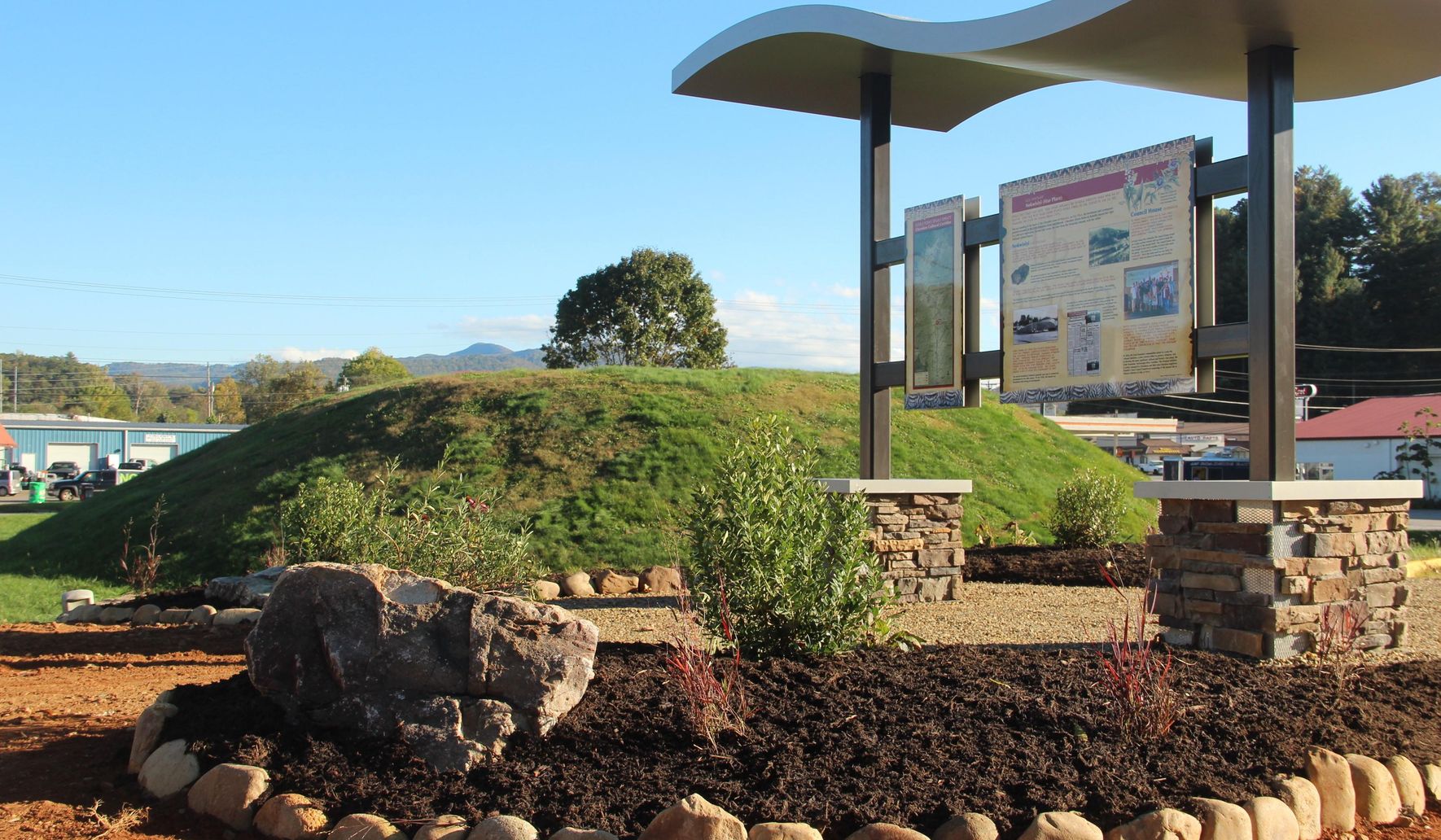
An important cultural site is close to being returned to the Eastern Band of Cherokee Indians after a city council in North Carolina voted unanimously Monday to return the land.
The unanimous council vote signals a municipal decision to transfer ownership back to the Eastern Band of Cherokee Indians, marking a rare instance of local government action toward restoring tribal lands. This move follows growing recognition that returning culturally significant places supports preservation and community healing. City officials framed the vote as an administrative step, while the tribe’s interest centers on stewardship and cultural continuity.
The parcel in question carries historical and spiritual meaning for the Eastern Band of Cherokee Indians, and local advocates have long pushed for its protection. Returning land like this gives the tribe a chance to manage it according to traditional values and contemporary cultural needs. Preserving such sites can include protecting burial places, holding ceremonies, and teaching younger generations about heritage on the land itself.
The procedural path from a council vote to legal transfer typically includes several administrative steps, such as preparing deeds, clearing titles, and coordinating with county registrars. Those steps can take weeks to months, depending on paperwork and any required public notices. Expect a period of technical work before the property changes hands, but the unanimous vote removes a major political obstacle.
Once formal ownership is transferred, the tribe will likely outline short term priorities, such as securing the site and conducting assessments. Cultural resource specialists or tribal historians often survey the land to identify sensitive areas and determine preservation strategies. Practical measures might include signage, access controls, and immediate protections against development or disturbance.
Longer term, the site could be incorporated into cultural education programs or public history projects managed by the Eastern Band of Cherokee Indians. That could mean guided visits, school partnerships, or limited public access tied to interpretive programming. The goal in many transfers like this is to balance public interest in history with tribal authority over how the place is used and presented.
The unanimous nature of the vote suggests broad local support and a recognition that municipal governments can play a role in correcting past dispossessions. Local officials may see returns like this as an opportunity to strengthen relationships with tribal neighbors. At the same time, transferring land is not a cure-all; ongoing collaboration and respect for tribal protocols remain essential.
Community members and preservation groups often watch these cases closely because successful transfers create models for other towns and cities. They show how municipal action can be paired with tribal stewardship to protect important cultural landscapes. Observers will likely track how the Eastern Band of Cherokee Indians steward the site and whether the model inspires similar efforts elsewhere.
For the tribe, regaining control over land is both symbolic and practical, allowing for decisions rooted in Cherokee cultural frameworks rather than municipal priorities. The coming months should reveal concrete plans for safeguarding and activating the property in ways that reflect tribal values. The council’s unanimous vote set the stage; now the administrative and cultural work begins.

