

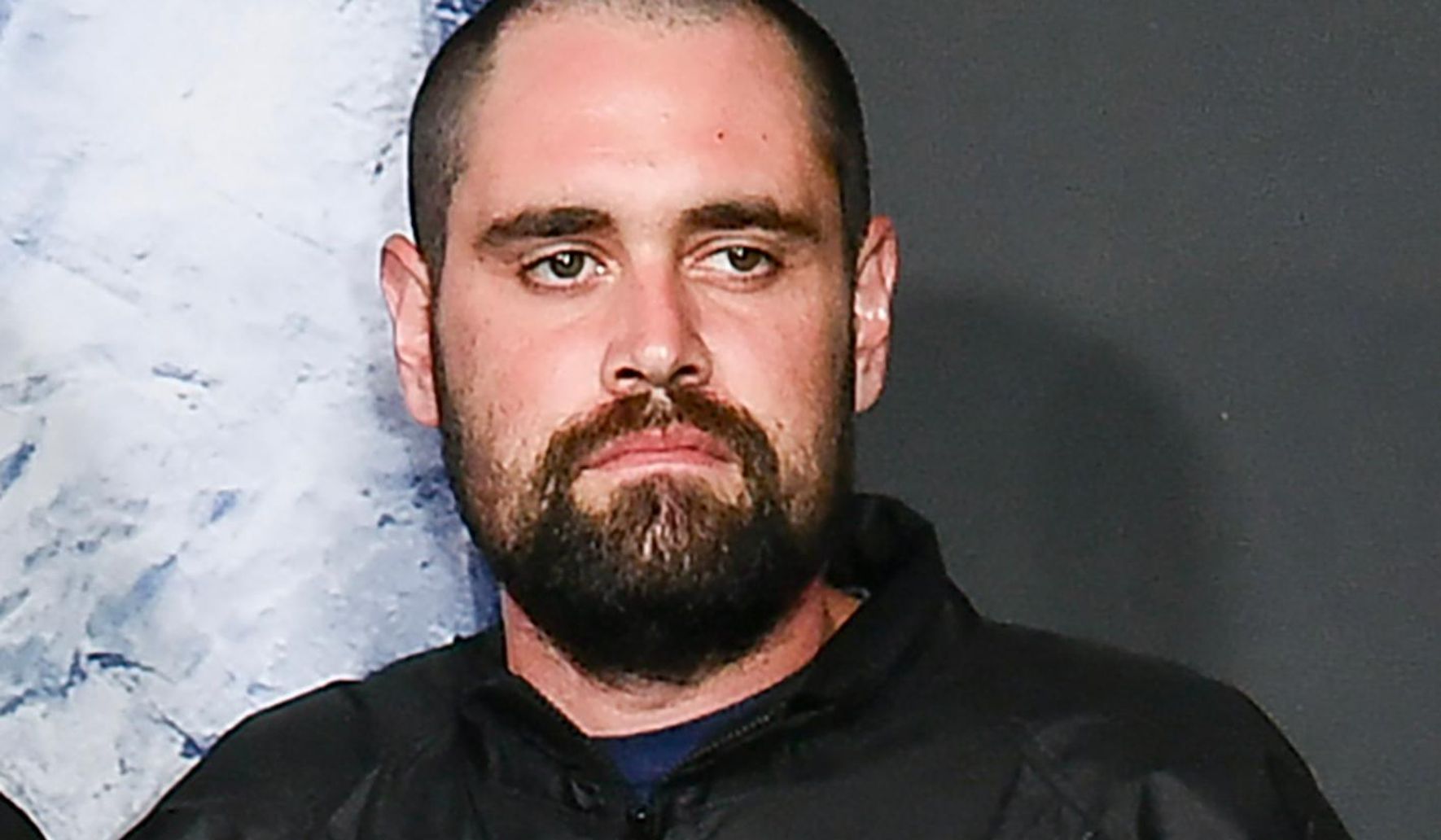
Nick Reiner appeared in a Los Angeles courtroom Wednesday, facing two counts of first-degree murder connected to the deaths of his parents, actor-director Rob Reiner and his wife Michele Singer Reiner. The brief appearance marked the first public step in a criminal process that will move slowly through arraignments, hearings, and possible pretrial motions. Authorities and the court have signaled that the case will proceed through standard criminal procedures while the investigation and legal review continue.
Nick Reiner made his first court appearance Wednesday in Los Angeles on two counts of first-degree murder in the killing of his parents, actor-director Rob Reiner and his wife Michele Singer Reiner. The hearing was procedural, focused on formalizing charges and setting the next court date rather than exploring evidence or motives. Courtroom entries like this are usually short and designed to ensure the defendant understands the charges and rights.
First-degree murder is the most serious homicide charge available and represents the prosecution’s claim that the killings were willful and premeditated. Charging someone with two counts indicates prosecutors are treating each death as a separate criminal act requiring its own proof. These charges set a path toward a lengthy legal process that can include detention decisions, discovery battles, and intensive forensic review.
Even in high-profile cases, the defendant retains core protections: the right to counsel, the right to remain silent, and the presumption of innocence until proven guilty in court. Defense attorneys often use early hearings to seek bail, challenge evidence, and push for narrowed charges or alternative resolutions. Prosecutors, for their part, will work to establish probable cause and to outline their initial case theory without exposing all their investigative details on day one.
Court calendars in Los Angeles can move in discrete steps: arraignment, preliminary hearing, and potentially a grand jury or indictment, followed by pretrial motions and eventually a trial if no plea is reached. Each step provides both sides opportunities to test legal arguments, demand documents, or contest the admissibility of evidence. That procedural rhythm is part of what makes high-profile criminal matters drawn-out and complex.
Public attention rises quickly when a recognizable name is involved, and that attention raises practical issues for the court and the family. Judges may weigh requests for gag orders, venue changes, or jury selection protections to preserve a fair trial. Meanwhile, families and friends confront intense scrutiny and questions, and courts sometimes balance transparency with privacy concerns during sensitive phases of investigation.
Rob Reiner’s public profile as an actor-director ensures significant media interest, but the legal process focuses on facts, proof, and legal standards rather than celebrity. Michele Singer Reiner is identified in the charging documents as the other victim, and the two counts filed reflect the serious nature of the allegations. Courts will rely on evidence gathered by investigators rather than reputation or name recognition when making legal determinations.
Investigators typically continue to collect physical evidence, interview witnesses, and analyze timelines after charges are filed, often coordinating with prosecutors to build a coherent case for trial. Forensic work, search warrants, and digital records frequently play major roles in modern homicide investigations, and those results may shape the trajectory of the prosecution. Defense teams commonly request access to that material during discovery and may commission independent experts to evaluate it.
Legal analysts note that the early stages of a murder prosecution are often unpredictable, with outcomes ranging from plea deals to contested trials that take months or years to resolve. Motions to suppress evidence, disputes over forensic methods, and negotiations over potential pleas are routine in concentrated homicide cases. The court will methodically address those legal disputes as the case moves forward.
Court proceedings in cases like this emphasize procedure and protection of rights as much as they do the underlying tragedy, and each scheduled appearance will narrow legal options and clarify timelines. Members of the public and media will likely follow future filings and hearings closely, while the court continues to manage the case through standard criminal justice channels. The next scheduled hearing will shape immediate steps for both prosecution and defense without resolving the core allegations at this stage.

