

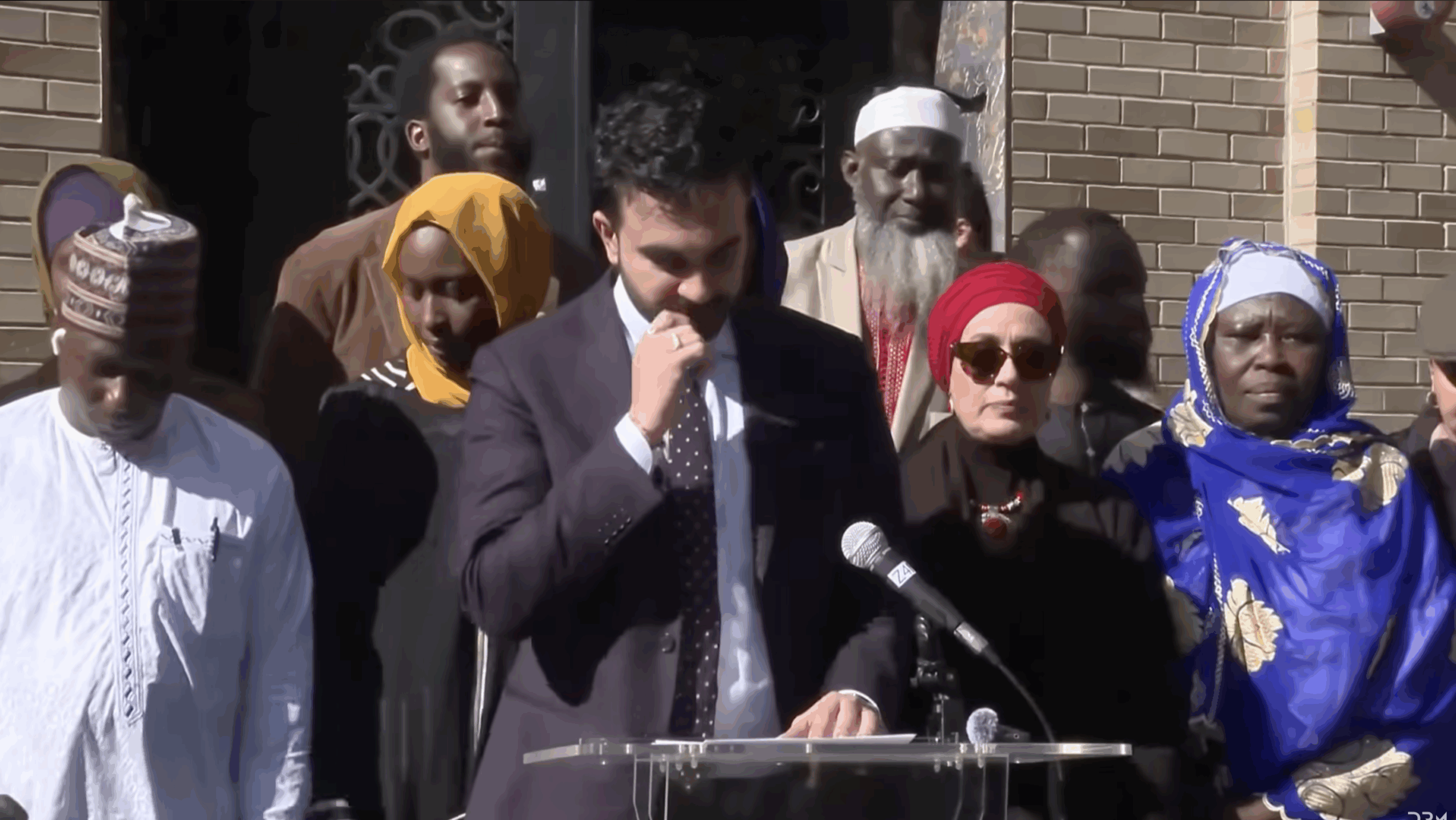
Zohran Mamdani, a New York City mayoral candidate born in Uganda, sparked controversy after comments outside the Islamic Cultural Center of the Bronx suggesting a different framing of who was harmed by the September 11, 2001 attacks. He said “The dream of every Muslim is simply to be treated as any other New […]” which reignited debates about empathy, victimhood, and the responsibilities of public figures in addressing national tragedies. This piece examines the remarks, the local setting where they were made, the likely reactions from voters, and what that means for public safety and civic trust.
Mamdani’s setting matters: speaking outside a religious center creates a backdrop where identity and faith are front and center, and remarks on 9/11 carry extra weight. Voters expect candidates to acknowledge the scale of the attacks and the lives lost, and anything that appears to redirect sympathy risks alienating families of victims and the broader electorate. For many, 9/11 remains a defining moment that demands straightforward recognition and respect from anyone seeking office.
The comment itself—“The dream of every Muslim is simply to be treated as any other New […]”—was framed as a plea for equal treatment, but coming from a mayoral hopeful it reads differently to skeptical listeners. Republicans and many independents will see this kind of language as tone-deaf when it appears to downplay the suffering of thousands, including first responders and civilians. Leadership requires balancing compassion for all communities with an unambiguous defense of victims of terrorism.
Political timing is critical here. In a city still shaped by 9/11’s aftermath, candidates who appear to prioritize identity grievances over shared civic mourning risk losing trust. Republican critiques will likely focus on the need for unity and clear condemnation of violence, not relativizing victimhood. Voters who prize law and order want leaders who protect citizens and honor those harmed by attacks, not leaders who leave room for ambiguity.
This episode highlights a larger question about how public figures talk about religion and security. Americans can and should support religious tolerance while also defending the truth about past attacks and the people who suffered. The challenge for any candidate is to speak plainly: affirm equal treatment under the law without undercutting the gravity of events like 9/11 or the heroism of first responders.
Campaigns are about trust and clarity, and this line risks creating doubt about Mamdani’s priorities. Electorates want officials who place public safety first and who can communicate solidarity with victims across backgrounds. Language that feels like shifting blame or reframing victims tends to inflame, not heal, especially when it comes from someone asking for responsibility over policing, emergency response, and public safety budgets.
There are policy implications tied to rhetoric. If a candidate emphasizes identity politics in ways that seem to excuse or sideline the memory of national tragedies, it raises questions about how they would handle threats and extremist activity. Republicans will point to the need for robust security, clear immigration scrutiny, and support for law enforcement as practical responses, not just words. Voters will judge candidates on whether their speech aligns with actions that keep neighborhoods safe.
Local reaction will matter in the Bronx and across the city, where emotions about 9/11 remain raw and personal for many families. Political opponents will use the phrase as evidence that Mamdani is out of step with mainstream New Yorkers who expect leaders to be unequivocal about protecting citizens and honoring victims. This is less about silencing concerns and more about insisting on a baseline respect for those who suffered real loss.
Ultimately, a mayor must reassure every community while maintaining a firm stance against terror and violence. Candidates who navigate that balance well speak plainly, acknowledge past harms, and offer concrete plans to keep residents safe. Voters will watch closely to see whether words are followed by clear policies on policing, emergency preparedness, and community integration, rather than rhetoric that sparks division.

