

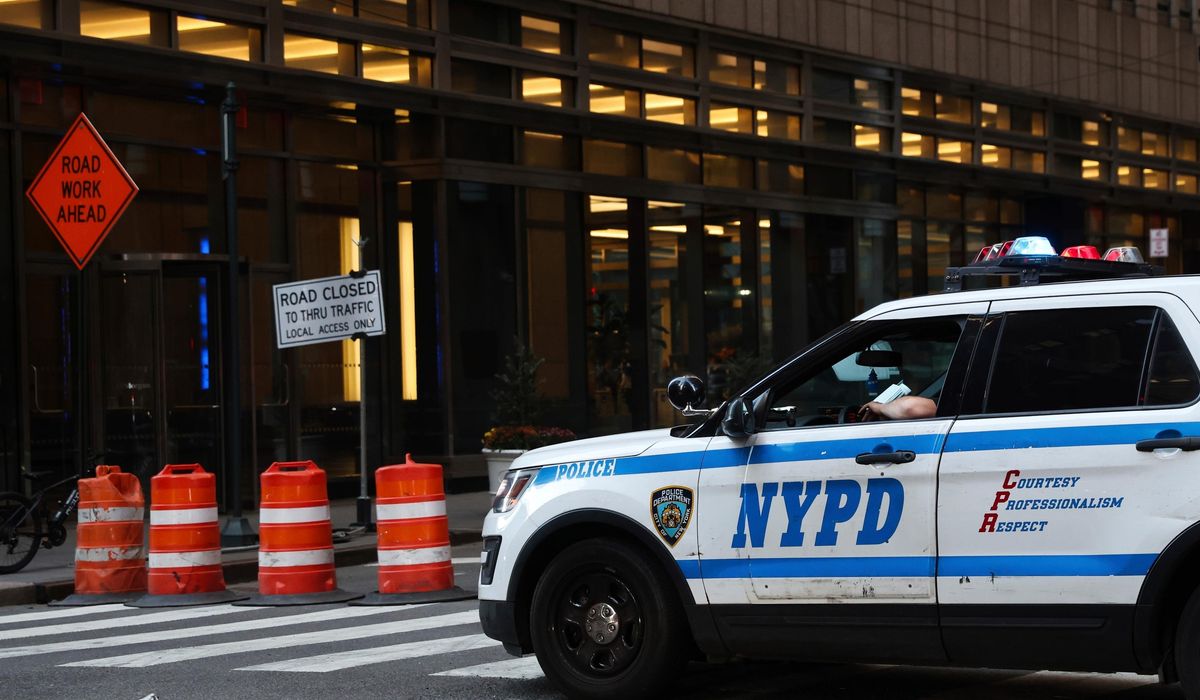
The New York Police Department on Tuesday released body-camera footage showing a Queens police officer shooting a knife-wielding man during what officials described as a fast-moving encounter.
The footage was made public as part of a routine transparency practice when an officer is involved in a use-of-force incident. Release of body-camera video aims to show the sequence of events directly from the officer’s perspective. In cases like this, officials describe the encounter as fast-moving to explain how decisions were made in seconds.
Body cameras capture split-second actions and give viewers a raw account of what officers and suspects did in real time. That perspective can clarify timing, but it does not automatically resolve questions about legal justification or intent. Review processes still typically involve internal affairs units and, where applicable, the district attorney’s office to determine whether policy or law was violated.
A knife-wielding suspect raises immediate concerns for officer and public safety, and those risks shape tactics and outcomes. Officers face the challenge of assessing threat level, distance, and available options while moving through an unpredictable situation. Training emphasizes both the need to protect civilians and the obligation to use the minimum force necessary under the circumstances.
When video appears to show an officer firing, communities often respond with a mix of relief, anger, and calls for accountability. For some, footage provides important context that supports the officer’s account; for others, the same footage raises uncomfortable questions about escalation and alternatives. Those differing reactions frequently drive demands for independent reviews, civilian oversight, or policy changes.
Video evidence plays a big role in later legal and disciplinary steps, but it rarely tells the whole story on its own. Investigators combine body-cam clips with witness statements, dispatch records, forensic results, and medical reports to build a comprehensive picture. Each of those pieces affects whether charges are filed or whether administrative steps follow.
Police departments point to body cameras as tools for both officer protection and public transparency, noting that footage can exonerate officers as well as document misconduct. Advocates push for consistent policies on when footage is released and for unedited material to avoid misinterpretation. The timing of a release, and how much of the encounter is shown, can shape public trust in the investigative process.
Fast-moving encounters put a spotlight on split-second decision-making and on how training prepares officers for life-or-death choices. Discussions that follow such releases often center on tactics, communications, and whether de-escalation options were feasible. Those conversations may influence training updates, policy revisions, and community relations going forward.
The path from video release to final disposition typically includes administrative review and, where warranted, criminal inquiry by prosecutors. Transparency around those steps can vary, which is why many observers call for clear timelines and independent oversight. Video is powerful, but it becomes most useful when paired with a transparent, accountable process that explains what happened and why.

