

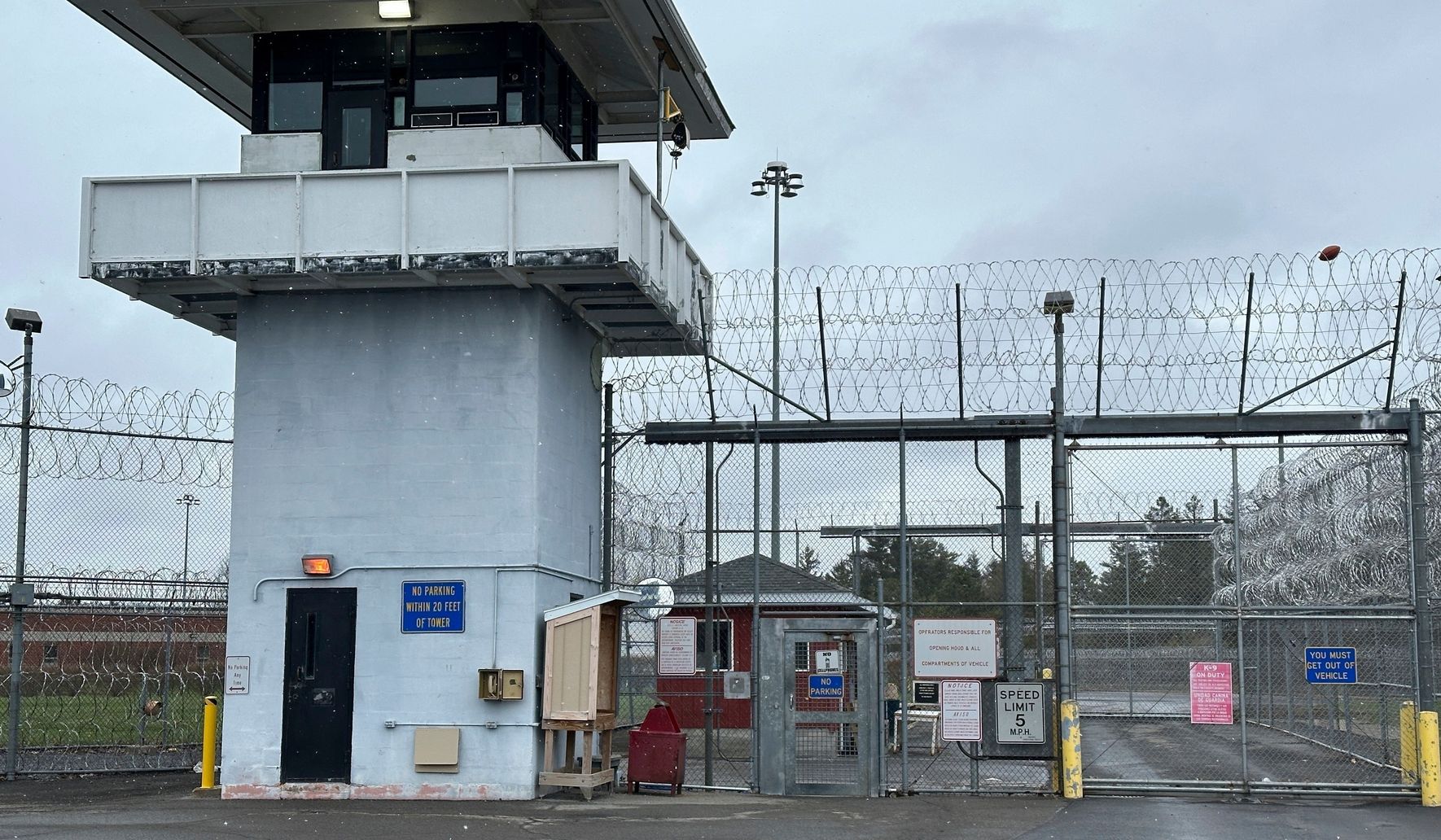
One of multiple corrections officers charged in connection with the fatal beating of an inmate at an upstate New York prison last year pleaded guilty to manslaughter Monday and agreed to serve 11 year.
The case has put a harsh spotlight on conduct inside a state correctional facility and on how the justice system handles allegations against people sworn to maintain order. Prosecutors say the beating ended with an inmate dead, and the plea signals a criminal admission from a staff member who once stood on the other side of the bars. Families, advocates, and unions are watching closely as the case moves from charges to a courtroom resolution.
The officer’s guilty plea followed an investigation that looked into a group altercation and supervisory failures that prosecutors argued allowed the violence to escalate. Multiple corrections staff were charged, which suggests prosecutors saw problems beyond a single bad actor. That broader charge pattern raises questions about training, supervision, and accountability across the facility.
The agreement to serve 11 year will be weighed against sentencing laws, plea terms, and the judge’s discretion, and it will inevitably prompt debate about whether the punishment fits the crime. Defense lawyers often point to plea deals as pragmatic choices that avoid uncertain trials, while prosecutors frame them as justice when evidence supports a conviction. Either way, an 11 year term sends a clear message that criminal liability can follow even from within corrections ranks.
For the inmate’s family, a guilty plea brings a measure of closure and validation but not full relief. Courts and criminal filings can never undo a death, and many loved ones will still push for institutional reforms to prevent future deaths. Advocacy groups will likely use the outcome to press for independent oversight and transparent reporting in prisons.
Administrators at the prison will face internal reviews and possible policy changes, even before any civil suits or additional criminal charges conclude. Staffing levels, the use of force policies, and the chain of command will be scrutinized for gaps that allowed the incident to happen. Correctional systems routinely respond to high-profile cases by promising changes, but implementation and monitoring are where reform usually succeeds or fails.
Unions representing corrections officers typically argue that officers are placed in dangerous, chaotic situations and need better protection and clearer rules. That argument competes with the public and prosecutorial interest in holding individuals accountable when criminal conduct occurs. The tension between protecting staff and ensuring inmate safety is an ongoing policy challenge for state systems.
Legal observers note that a guilty plea can streamline the path to a final sentence while preserving resources, but it also opens the door to appeals or collateral challenges down the line. Defense teams may argue mitigating factors at sentencing; prosecutors will press for a sentence they believe matches the seriousness of the conduct. The final courtroom scene will shape how similar cases are handled in the future.
Beyond the courtroom, lawmakers and oversight bodies may use this case to push for changes ranging from body-worn cameras to independent investigative units for in-custody deaths. Some reforms require legislation, while others can be implemented administratively, but both paths demand political will and funding. If the public interest remains high, pressure for lasting change increases.
The plea and the 11 year agreement also affect morale inside the prison system, where staff and inmates alike will pay attention to consequences and precedent. For staff who follow rules and work under difficult conditions, this outcome may be a sobering reminder that conduct has legal consequences. For inmates and their advocates, it can be seen as a rare instance where the system held an officer criminally responsible for fatal actions.
Whatever comes next in appeals, civil actions, or policy reforms, the case will keep attention on how corrections systems police themselves and how the justice system balances accountability with pragmatism. The guilty plea closes one chapter in the criminal case but opens many more about oversight, training, and the culture inside secure facilities. Public scrutiny will likely continue as stakeholders push for answers and changes to prevent another tragedy.

