

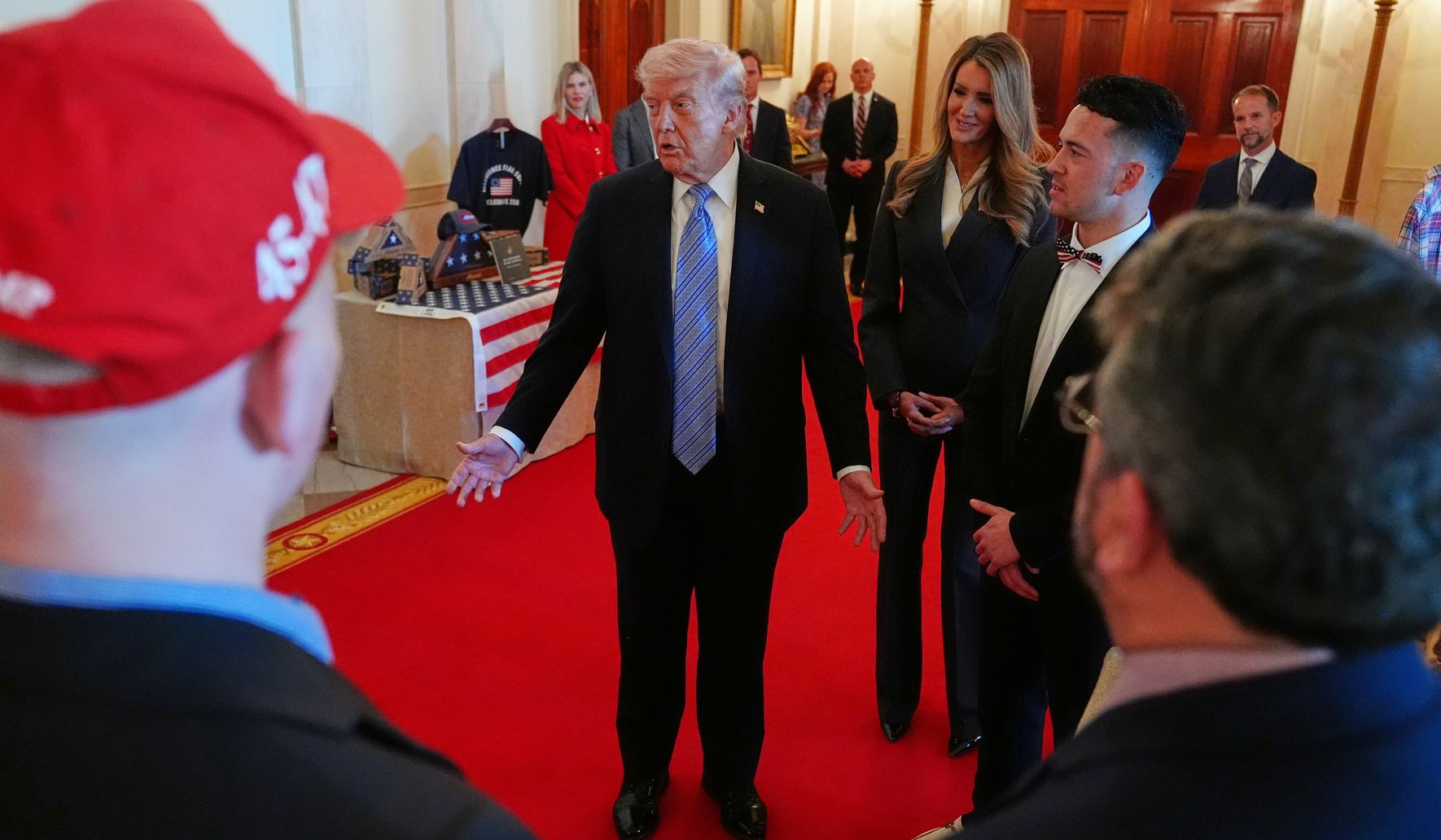
President Trump hosted a White House summit with small business owners on Monday to promote his economic agenda ahead of a midterm battle focused on affordability.
The event gathered owners and operators who said they want policies that cut costs, expand opportunity and keep government out of the way. Trump used the meeting to remind the audience that small businesses are the backbone of the economy and should be central to any plan to bring down prices. The tone was energetic and focused, with emphasis on practical fixes rather than theory.
Attendees described rising expenses, labor challenges and the squeeze of regulations as immediate threats to their bottom lines. The message from the White House was simple: lower taxes, fewer rules, and policies that make it easier to hire and grow. For Republicans, that recipe is the clear route back to stronger wages and more affordable prices at the checkout counter.
One practical theme of the summit was cutting red tape that slows investment and raises costs for small operators. Owners at the meeting urged quicker permitting, streamlined compliance and clearer federal guidance so they can reinvest earnings into their businesses. The administration framed these fixes as a direct way to shrink overhead and pass savings on to customers.
Access to capital came up repeatedly as a make-or-break issue for entrepreneurs trying to expand or survive a downturn. Attendees pushed for easier lending and more flexible credit products so small firms can modernize equipment and hire staff without crippling interest or collateral demands. The White House emphasized policies intended to keep lending fluid and predictable for Main Street.
Energy and supply chains were part of the conversation, with business owners pointing out how price swings and delays raise their operating costs. The summit highlighted a push for energy independence and logistics improvements to stabilize prices and reduce vulnerability to international disruptions. Republicans argued that a strong domestic energy sector and smoother supply lines lower costs for consumers and businesses alike.
Workforce challenges were framed not as an inevitability but as a solvable problem through training, immigration policy adjustments and incentives that encourage hiring. Speakers favored expanded apprenticeship models and targeted tax incentives that reward investment in worker skills. The administration presented these steps as ways to expand the labor pool without forcing businesses into wage inflation that ultimately hurts consumers.
Affordability was stitched to a broader political argument about who best protects family budgets and keeps the economy growing. Summit participants contrasted the White House’s approach with policies they said had contributed to higher prices and greater uncertainty. The Republican case made at the meeting was that disciplined fiscal policy, lower regulatory burden and energy leadership are the tools that reduce cost pressures.
The gathering also doubled as political groundwork ahead of the midterms, aiming to rally small business voters around specific economic promises. Organizers pushed the idea that electing leaders who back pro-growth policies is the clearest path to easing household expenses. Attendees left with concrete asks for lawmakers: reduce unnecessary regulations, support access to capital, and pursue market-friendly energy policy.
Overall, the summit presented small business owners as allies for a policy agenda built on economic freedom and practical reforms. The White House positioned its plan as centered on lowering costs and expanding opportunity rather than expanding government programs. That message is intended to resonate with voters worried about affordability and looking for clear, accountable solutions.

