

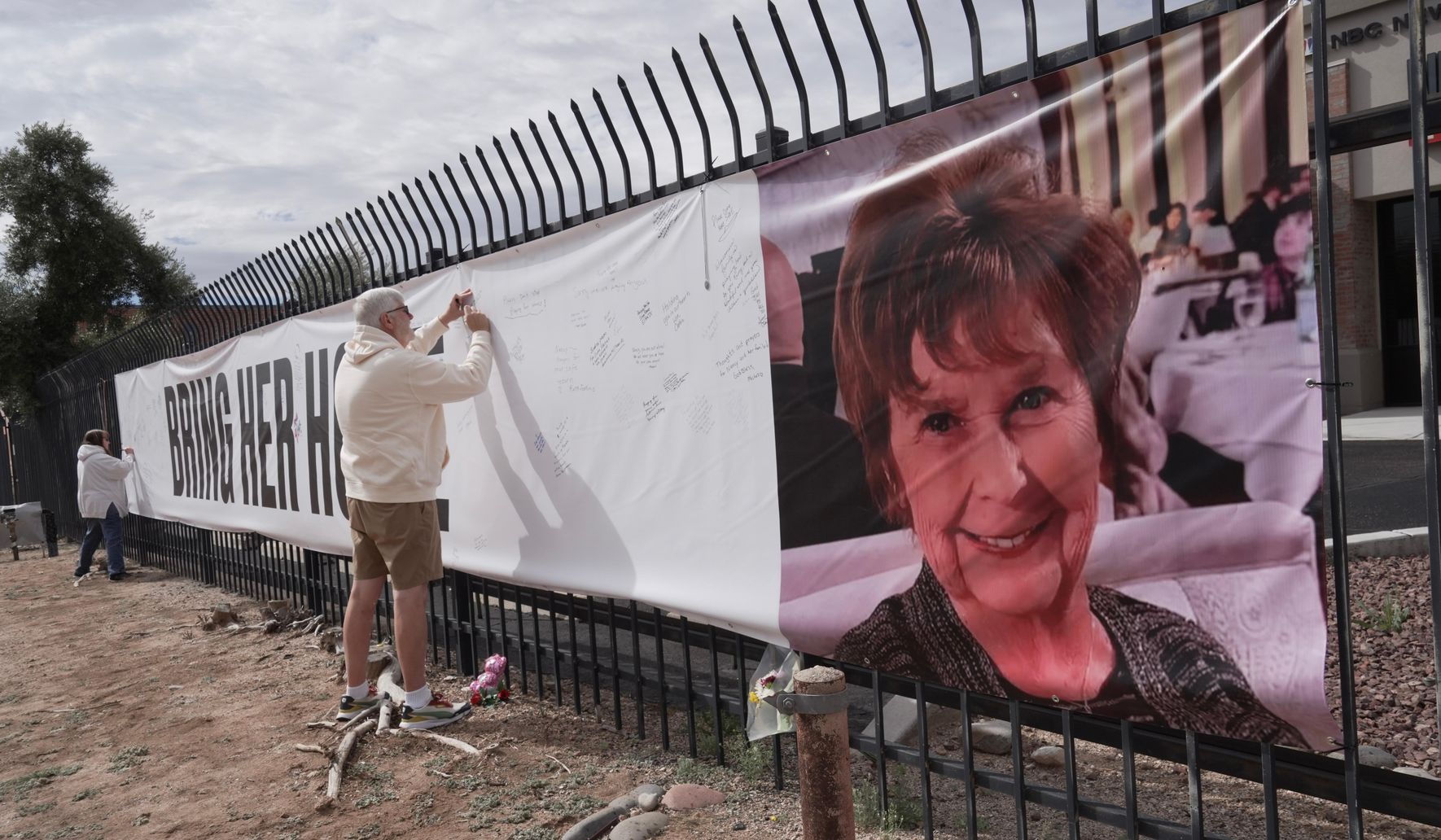
Investigators continue to probe leads and physical traces in the case of Nancy Guthrie, working methodically through forensic material, reported ransom communications and purchase records as the inquiry moves into its third week.
As the investigation into Nancy Guthrie’s likely abduction enters its third week, officials say they are examining forensic evidence, reported ransom communications and possible purchase records. Those three investigative lanes now form the backbone of the inquiry and will shape both short-term search tactics and longer legal steps. Local and federal teams are coordinating to keep evidence intact and avoid mistakes that could slow progress.
Search and rescue activity has been steady since authorities first raised the alarm, with organized sweeps layered over leads that keep emerging. Ground teams have focused on high-priority zones informed by tip lines and preliminary data, while aerial units scan larger tracts to speed the search. Every fresh fragment of information gets compared against the growing case file to see where it fits.
Forensic evidence can range from obvious items like clothing or fingerprints to subtler traces such as microscopic fibers and mobile-device metadata. Lab work takes time, and analysts prioritize results that can quickly move the investigation forward. Proper chain-of-custody procedures are in place so that anything recovered holds up in court when the time comes.
Reported ransom communications add a layer that investigators treat cautiously, making sure to validate origin and content before acting. Specialists in communications analysis work to authenticate messages, extract metadata, and identify potential points of access or transmission. The goal is to turn any contact into a lead without giving false weight to hoaxes or distractions.
Possible purchase records are another concrete avenue investigators are following, because modern commerce often leaves a trail. Receipts, credit-card transactions, online order logs and surveillance footage from retail locations can pin time and place to a suspect’s movements. Digital footprints are especially valuable when matched against other data streams, and teams are using those links to narrow timelines and suspect lists.
Coordination between agencies is intense: local police, state investigators and federal partners bring different tools and legal authorities to the table. That mix helps when investigators need urgent subpoenas, specialized lab capacity or access to national databases. It also means careful legal review so that warrants and requests are properly framed and defensible.
Family statements and community response have kept public attention on the case and generated leads that might not have surfaced otherwise. Officials keep reminding residents to pass along tips and upload any relevant dashcam or doorbell footage, which can be cross-checked against other evidence. At the same time, investigators are balancing transparency with the need to avoid revealing details that would compromise the inquiry.
Investigators are methodical about turning raw information into actionable steps: validate, corroborate, and then move. That process includes tracing communications, analyzing purchase records, and pushing forensic samples through prioritized lab queues. Each validated strand helps build a clearer picture of what happened and where investigators should concentrate their efforts next.
Legal and operational steps will continue in parallel, from search warrants to subpoenas for transaction records, all driven by facts the teams can verify. Authorities emphasize that patient, careful work is often what solves complex cases like this, because rushed conclusions can create dead ends. For now, the focus remains steady on evidence, authenticated communications and financial trails that might reveal who was involved and what happened to Nancy Guthrie.

