

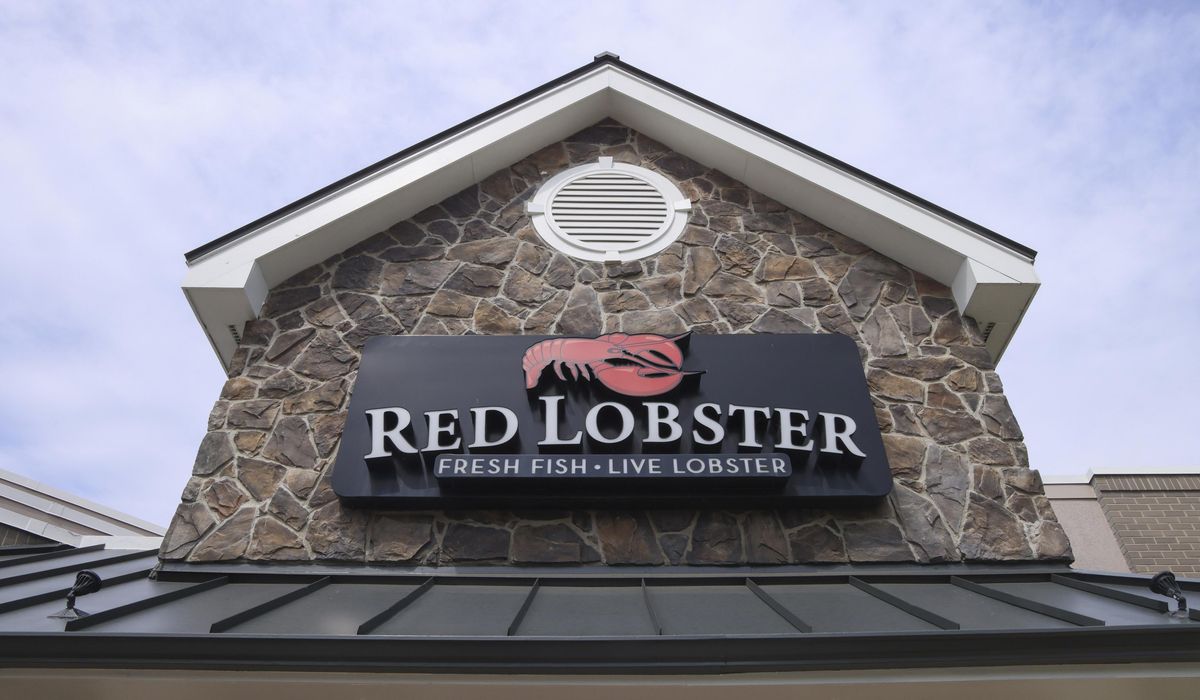
Red Lobster’s oldest continuously operating restaurant in Tallahassee, Florida, which survived the seafood chain’s 2024 bankruptcy, will permanently close Sunday, bringing a 56-year run to an end.
The Tallahassee location has been a local fixture, known for steady service and familiar seafood options that drew generations of customers. Longtime patrons have come to expect the same menu staples and neighborhood atmosphere that defined its identity. That familiar presence will disappear when the doors close on Sunday.
The closure follows a turbulent period for the parent company, which filed for bankruptcy in 2024 but kept this location open while restructuring. Even businesses that survive financial upheaval can face mounting pressures from changing markets and rising costs. This restaurant’s shutdown underscores how complex and fragile the recovery process can be for long-standing brands.
Locals remember the place as more than a restaurant; it functioned as a civic touchpoint where birthdays, work celebrations, and casual dinners happened year after year. Those collective memories give the space a symbolic weight beyond its daily operations. Losing a site that held so many small, private traditions hits a community in a distinct, personal way.
Employees and regulars often describe long-running restaurants in terms of routine and comfort: the same hosts, familiar servers, and predictable dishes that make the visit easy. Those elements are exactly what people say they will miss when the Tallahassee location closes. For staff, the end of a 56-year run means a sudden shift in livelihoods and routines that can ripple through personal and local economies.
From a business viewpoint, closing a landmark store is a signal that corporate strategy is shifting toward consolidation and cost control. Chains that reorganize after bankruptcy typically review underperforming or high-cost locations and make hard choices. Even when a site holds sentimental value, financial realities can force decisions that prioritize broader stability.
The restaurant’s departure will change the local dining landscape by removing one familiar option from the mix, potentially opening space for different concepts to take root. New operators or independent venues sometimes move into vacated spaces, bringing fresh menus and different price points. That transition can energize a neighborhood, but it also means the original identity is gone for good.
For regular customers, the closure invites reflection on what made that spot unique, whether it was a particular dish, the staff, or simply the ritual of gathering there. People often discover that the value they placed on a place becomes clearer only after it’s gone. Those conversations about taste, memory, and community are a common aftermath of long-term closures.
Managers and staff who remain will face the practical challenges of finding new employment or adjusting to changed schedules and roles. The hospitality industry often absorbs experienced workers into other venues, but the transition can be bumpy and uncertain. Local job markets and the broader economy will shape how smoothly those employees land on their feet.
On a cultural level, the end of a 56-year operation invites a look at how dining habits and expectations have shifted over decades. Casual seafood dining that once fit local tastes must now compete with delivery apps, evolving health preferences, and different leisure habits. Businesses that lasted for generations had to navigate those shifts, sometimes successfully and sometimes not.
City planners and community leaders rarely get involved in individual restaurant closures, but a long-running shutdown can prompt talk about neighborhood vitality and commercial corridors. These conversations can influence decisions about zoning, small-business support, and economic development in the area. Local stakeholders often weigh whether to encourage similar tenants or pursue new kinds of investment for the site.
While the physical location will close on Sunday, the memory of this Tallahassee restaurant’s 56-year presence will linger among those who ate there, worked there, and celebrated there. The closure is a concrete end to an era, even as the community adapts and new opportunities arise. The conversation about what comes next will continue among customers, staff, and local business watchers alike.

