

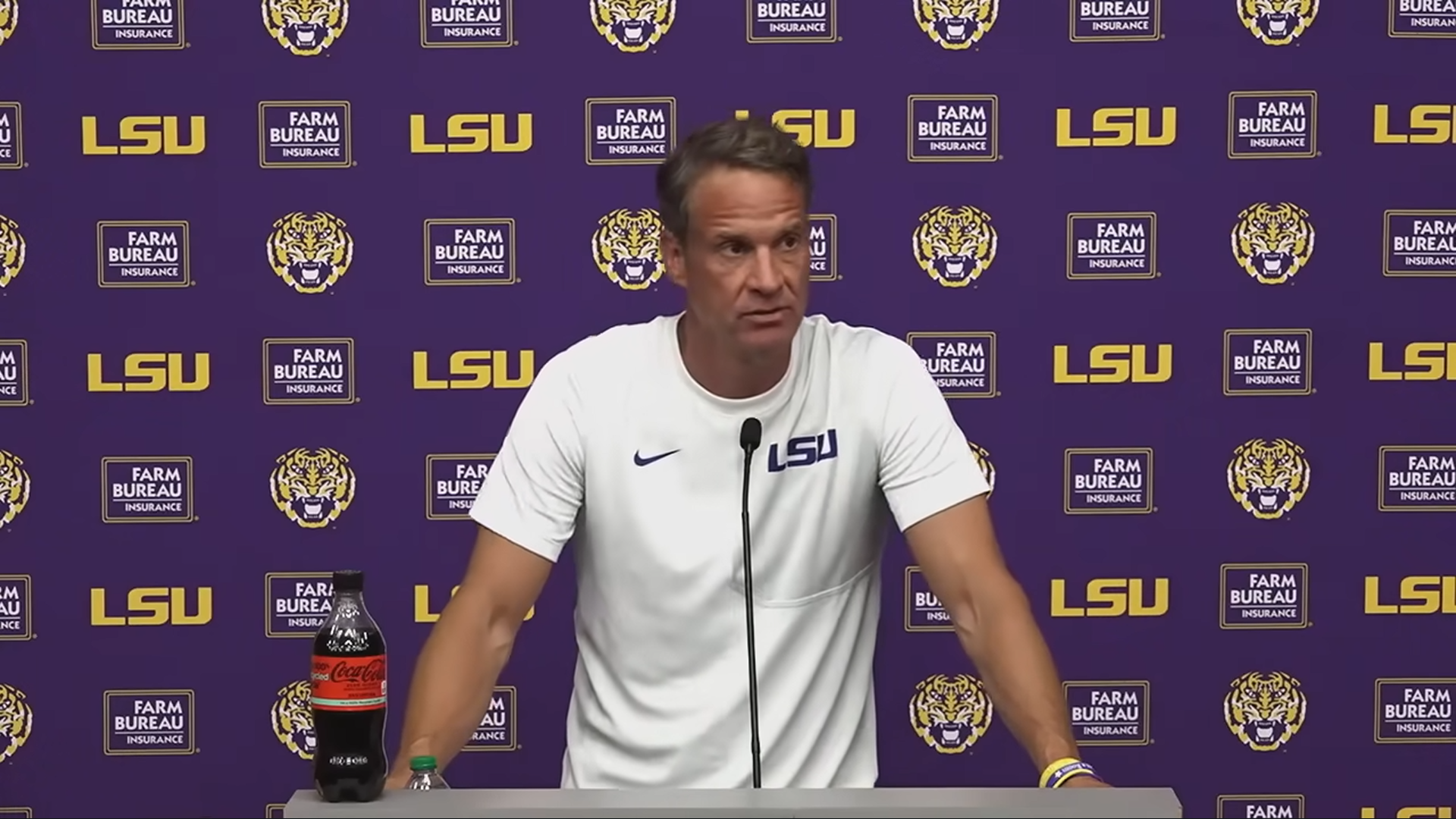
A look at recent public moments and behavior involving Lane Kiffin and what they mean for Ole Miss and its future.
Recent interviews and public behavior have changed how people talk about the relationship between Lane Kiffin and Ole Miss, and those shifts matter for the program. Coverage and conversations around his remarks created a louder public debate than usual, making the coach’s public persona part of the story. That dynamic has pushed questions about fit and forward momentum into the spotlight.
Comments on and off the field ripple through a college program in ways that are hard to measure but impossible to ignore, and observers have noted that dynamic here. Players, recruits, and staff pay attention to tone and consistency, not just Xs and Os, and when public appearances distract, the signal gets mixed. For many, the recent interview added to a pattern that raised doubts about long-term alignment with the program’s goals.
Internal culture matters as much as wins, and a coach’s behavior shapes the locker room and recruiting trail in real time. When alumni and donors start asking about image and direction, athletic departments have to listen because resources and support are part of competitive success. That pressure can accelerate decisions that otherwise might have played out more slowly.
On-field results and program trajectory are part of the equation, too, and coaching fit involves both performance and perception. A coach who draws attention for the wrong reasons can overshadow progress in areas like player development and staff continuity. Consistency in messaging, visible buy-in from players, and steady recruiting follow-through usually beat headline-making moments in the long run.
Change can clear the way for a different approach to culture and public relations without undoing competitive foundations that exist on the roster. A new leader can refocus daily practices, tweak staff responsibilities, and reset how the program presents itself to recruits and fans. That kind of reset is often cited by athletic departments as a reason for moving in a new direction when off-field dynamics start to hinder growth.
Financial and recruiting consequences also factor into decisions about leadership because donors and prospects respond to perceived stability. If public moments make donors anxious or give recruits pause, administrators weigh those signals alongside wins and losses. Choosing new leadership is as much about restoring confidence as it is about installing a particular playbook.
The turnover rate among college coaches is high and the landscape rewards programs that can balance competitive ambition with institutional fit. Athletic directors often face a trade-off between short-term disruption and long-term alignment, and many choose the latter when public dynamics suggest the coach is not the right match. That pragmatic view explains why a program might decide it’s time for a change even if on-field results are acceptable.
For fans and stakeholders watching what comes next, the indicators to track include how the program talks about culture, who the administration sees as a long-term partner, and how recruiting momentum fares in the weeks after a decision. Those signals will determine whether a leadership change turns into a real chance to rebuild or merely a temporary pause. In the current environment, many observers see the recent public episodes as a tipping point that made a clean break more likely and potentially more constructive for the program’s future.

