

Minneapolis is again facing sharp debate after an ICE agent shot and killed Renee Nicole Good, and political leaders and the public are clashing over changing accounts, video evidence, and whether the agent’s reaction was justified.
The shooting left a 37-year-old poet and mother of three dead and a city on edge. Minnesota Congresswoman Ilhan Omar altered her public description of the encounter after new footage surfaced, and that flip has become a central point of contention in an already heated discussion about law enforcement use of force.
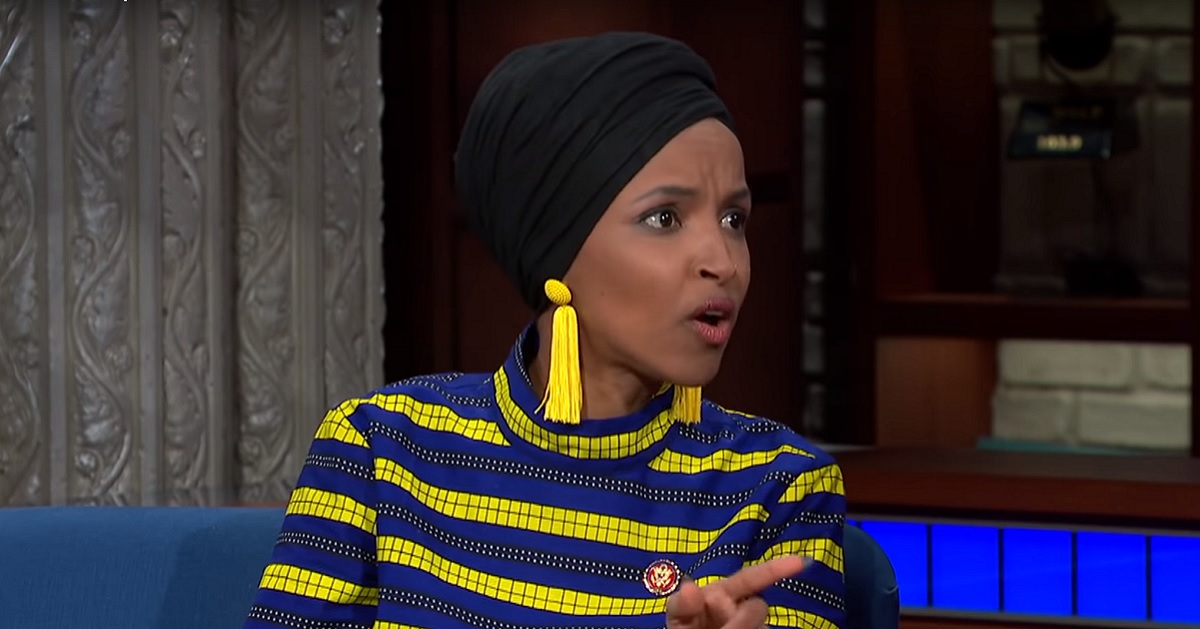
Omar first told CNN’s Jake Tapper that the scene did not show an ICE agent in danger, pushing back on the administration’s claims of self-defense. “That’s an incredibly delusional statement,” Omar said, dismissing the idea that an agent was struck or knocked off balance in the videos first circulated.
When additional footage—Ross’s phone video released on Friday—appeared to show the camera jerking as Good’s SUV moved, Omar adjusted her account on Sunday’s CNN Face The Nation, acknowledging the vehicle was in motion. She also offered a sympathetic portrayal of Good, saying, “Renee Nicole Good, as you hear her say, she’s not mad, she’s sitting in her car, peacefully waving cars to get by.”
Those lines are exactly as spoken, but the raw video clips themselves show more than one narrative. Some frames capture Good revving her engine, ignoring orders to exit, and then driving away, actions that can create a sudden, frightening situation for any agent on the street. For practitioners, split-second judgment calls under stress matter, and footage often doesn’t convey what an officer perceives in the moment.
The agent involved, Ross, is described as a decade-long law enforcement veteran who exited his vehicle and tried to open Good’s door as another officer moved toward the SUV’s front. Officials say Ross fired three shots, including one through the windshield that struck and killed Good, a decision federal authorities defend as self-defense while city leadership has labeled the action “reckless.”
Critics focus on tactics: why place officers in front of a moving vehicle, and how training should prevent such exposure? Those are fair operational questions, but critics often overlook the stress and uncertainty present when someone is driving toward officers after not complying. Reality on the ground is messy, and the ideal of textbook procedure colliding with an active, unpredictable situation rarely translates neatly into real time.
The human response at the scene was immediate and raw. Good’s wife, Rebecca Good, confronted Ross and demanded he show his face, a moment that underscored a family’s grief and the public’s impatience for answers. The city is still marked by past trauma and that context heightens every officer-involved incident, making calm, clear dialogue harder to find.
President Trump commented bluntly, saying Good “behaved horribly” and asserting she ran over Ross—remarks that align with the administration’s consistent support for law enforcement even when footage leaves some questions open. Those comments sit uneasily with residents who see another person killed and want accountability before endorsing any narrative.
Public debate will continue to center on intent, perception, and whether legal standards for self-defense are met. Video shards, political statements, and immediate reactions are shaping public opinion faster than formal investigations can conclude. That gap between urgent public demand and the slower pace of official review fuels distrust on all sides.
Whatever legal findings emerge, the incident adds another chapter to Minneapolis’s ongoing struggle with policing, protest, and public safety. The facts as currently reported—the age and family status of the victim, the agent’s tenure, the number of shots fired, the sequence shown in multiple videos, and the shifting political statements—will anchor both the legal process and the public conversation going forward.

