

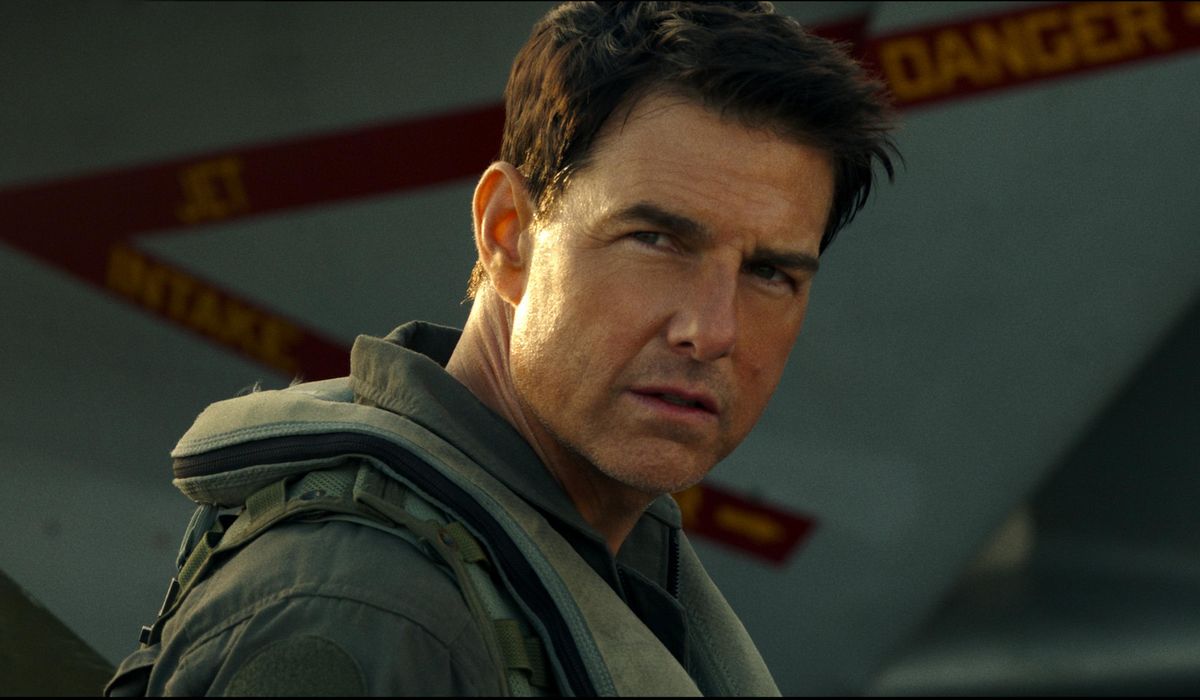
Tom Cruise is officially on board for a third “Top Gun” movie, Paramount confirmed his return alongside producer Jerry Bruckheimer during the studio’s Cine announcement, setting up another chapter for the franchise.
The confirmation that Tom Cruise will return to the franchise lands as straightforward news, but it carries weight because he is so closely tied to the identity of “Top Gun.” Having both Cruise and Jerry Bruckheimer attached gives the project immediate momentum and signals studio confidence. Fans and industry watchers will now be watching how the film shapes up behind the scenes.
The last installment rewired expectations for big-screen spectacle, proving audiences still value real aviation and practical stunts. That film leaned hard into authenticity, putting pilots and real jets at the center of its appeal. Any new entry will likely be judged on whether it can match or top that same visceral energy.
Putting Cruise back in the cockpit is more than a casting note; it’s a production stance. He is known for setting the performance and stunt bar himself, which translates into a distinct physicality on screen. That approach also affects scheduling, budgets, and the kind of crew the movie will need to pull off practical sequences.
Jerry Bruckheimer’s name on the project signals a return to high-concept, mass-appeal filmmaking. He has a history of delivering clear, crowd-friendly tentpoles that lean heavily on spectacle and soundtrack. That sensibility meshes cleanly with what made “Top Gun” resonate in the first place.
Paramount’s public confirmation during the studio’s Cine messaging makes this a visible priority for the company. Announcing projects at industry events is a way to shape expectations and start conversations early. It also telegraphs to talent, partners, and international distributors that the film is meant to be a centerpiece.
Behind the scenes, the challenges are practical: sourcing aircraft, coordinating military cooperation, and securing pilots who can perform on camera. Practical flight sequences require lengthy prep, specialized insurance, and tight choreography between filmmakers and aviation professionals. Those elements add time and cost, but they are the core of what audiences expect.
The creative side will need clear choices about tone and scope. Will the story push into new geopolitical territory, keep the focus on character, or lean into action set pieces? Balancing character beats with large-scale aerial sequences will determine whether the new film feels like a meaningful continuation or just another big-budget thrill ride.
Another consideration is how to expand the cast without diluting Cruise’s central role. The previous sequel found success by pairing veteran presence with fresh faces, which created both continuity and new chemistry. Any additions will be measured against fans’ attachments to the original characters and the expectations set by the last film.
Music and sound design will also play a crucial role, since the franchise has always used soundtrack choices to enhance emotion and momentum. The right musical cues can turn a dogfight into a memorable cinematic moment, and sound mixing will need to preserve clarity amid roaring engines and complex choreography. Those creative decisions often separate a good sequel from a great one.
Marketing will have to strike a balance between nostalgia and novelty, reminding audiences of familiar beats while promising fresh spectacle. Teaser footage and early images will be scrutinized for clues about direction and ambition. The studio’s rollout strategy will be a key component in shaping public perception before the first trailer lands.
Box office expectations will be informed by the success of the prior film and by the current marketplace for event cinema. Big-screen loyalty still exists when a movie promises real, shared spectacle that can’t be replicated at home. The presence of Cruise and Bruckheimer is a straightforward signal that the film aims to be that kind of theatrical experience.
Production timelines will likely hinge on many moving parts, especially access to military hardware and the availability of principal talent. Those factors often dictate when a film can realistically move from development into full production. Until those pieces fall into place, announcements will generate excitement but not a fixed delivery date.
Ultimately, the news that Tom Cruise is back and that Jerry Bruckheimer will produce frames the project as a serious studio priority. That combination suggests a film built to deliver bold visuals and a direct audience appeal. For now, the confirmation is the start of a long creative and logistical process with plenty of eyes on every next move.

