

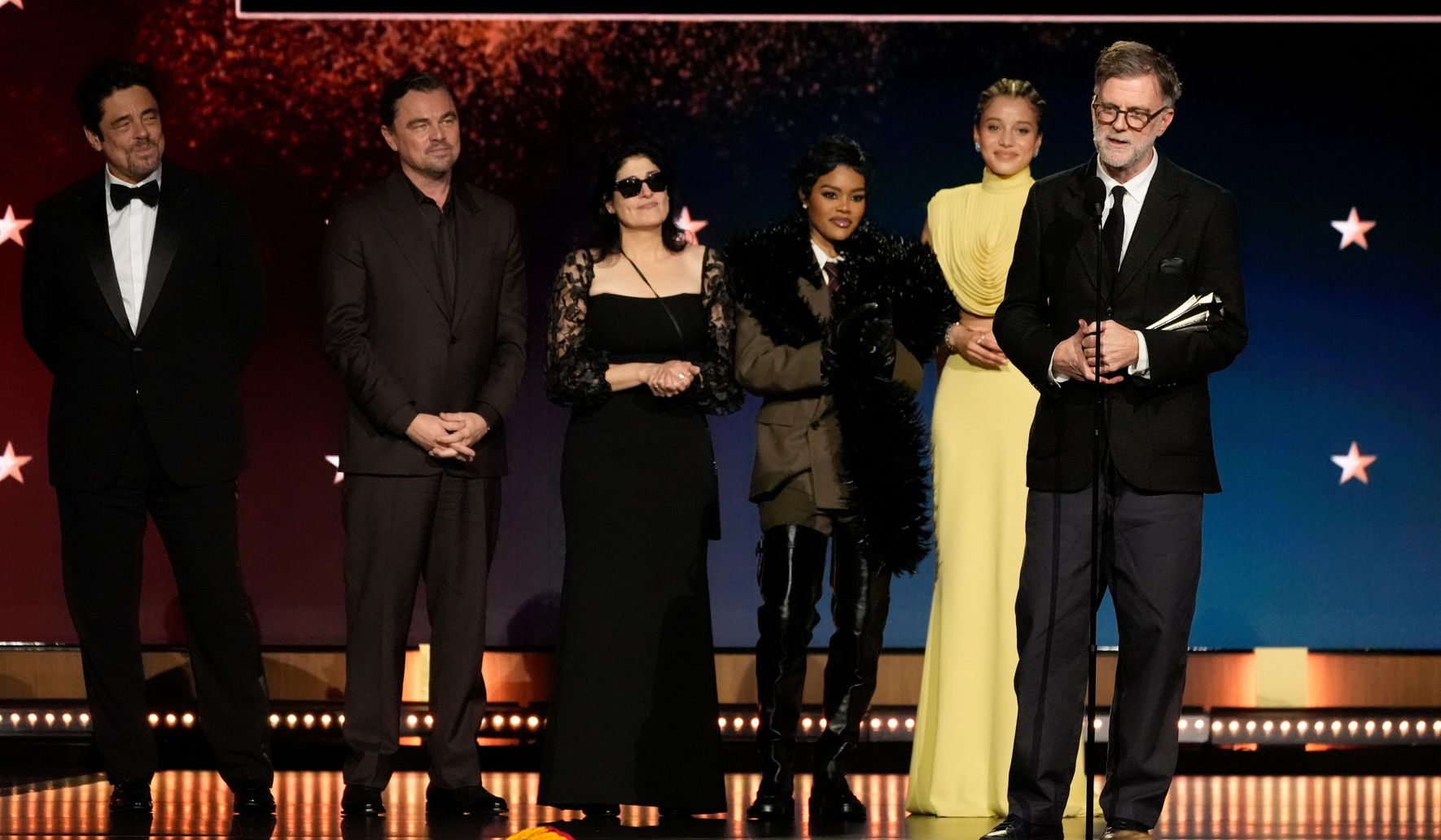
Paul Thomas Anderson’s “One Battle After Another” won the comedy prize at Sunday’s 83rd Golden Globes, and Chloe Zhao’s Shakespea also received notice in the report.
Paul Thomas Anderson’s ragtag revolutionary saga, “One Battle After Another”, walked away with the top comedy honor at Sunday’s 83rd Golden Globes. The win surprised a few critics and delighted fans who had followed the film’s long, unconventional path to awards season. Anderson’s knack for marrying chaos and craft showed up in voter support, proving that daring material can still break through in a crowded field.
The film leans into a rough-hewn energy, characters who feel lived-in, and a story that refuses easy categorization. Critics described the tone as both anarchic and affectionate, an oddball mix that somehow reads as sincere rather than merely quirky. That tonal gamble clearly paid off when members of the voting body chose to recognize the movie in a category usually dominated by broader comedies.
Behind the scenes, Anderson’s reputation for meticulous direction and bold creative choices helped keep attention on the project. From casting to production design to the soundtrack, the elements combined to create a distinct cinematic voice. Industry observers noted that the film’s success was not accidental, but the result of careful, deliberate filmmaking wrapped in the appearance of improvised spontaneity.
Award nights often spotlight an industry trend or two, and this year the ceremony reflected both appetite for daring storytelling and the ongoing conversation about how comedies are defined. “One Battle After Another” blurred lines, bringing dramatic stakes into a category that traditionally rewards lighter fare. That blending of genres has become more common as filmmakers push boundaries and voters respond to risk.
Chloe Zhao’s Shakespea also appeared in coverage of the evening and remained a topic of interest among journalists and viewers alike. The mere mention in the event’s reporting underscored how the ceremony can elevate multiple projects at once, even when one particular film takes the headlines. Zhao’s body of work continues to provoke discussion about style, scope, and the kinds of stories that get singled out during awards season.
The Globe’s choices this year sparked debate about what counts as comedy and whether awards voters are rewarding originality over comfort. Some audience members applauded the decision to honor an offbeat picture, while others argued for more traditional comic fare. Either way, the outcome highlighted the ongoing shift in how genre labels are applied in a time of cinematic experimentation.
For filmmakers and studios, the recognition offers practical benefits beyond prestige, including renewed interest from distributors and a potential box office bump. Festivals and award wins can create momentum that sustains a film through the later parts of its release cycle. In an industry where attention is currency, a Globe trophy can be the difference between a quiet run and a film that finds a broader audience.
Looking forward, the success of “One Battle After Another” may encourage more directors to take narrative risks and mix tones that were once kept separate. If awards bodies continue to reward such work, the landscape could become friendlier to films that refuse tidy classification. For now, Anderson’s victory stands as a moment when bold filmmaking got its due on a big stage.

