

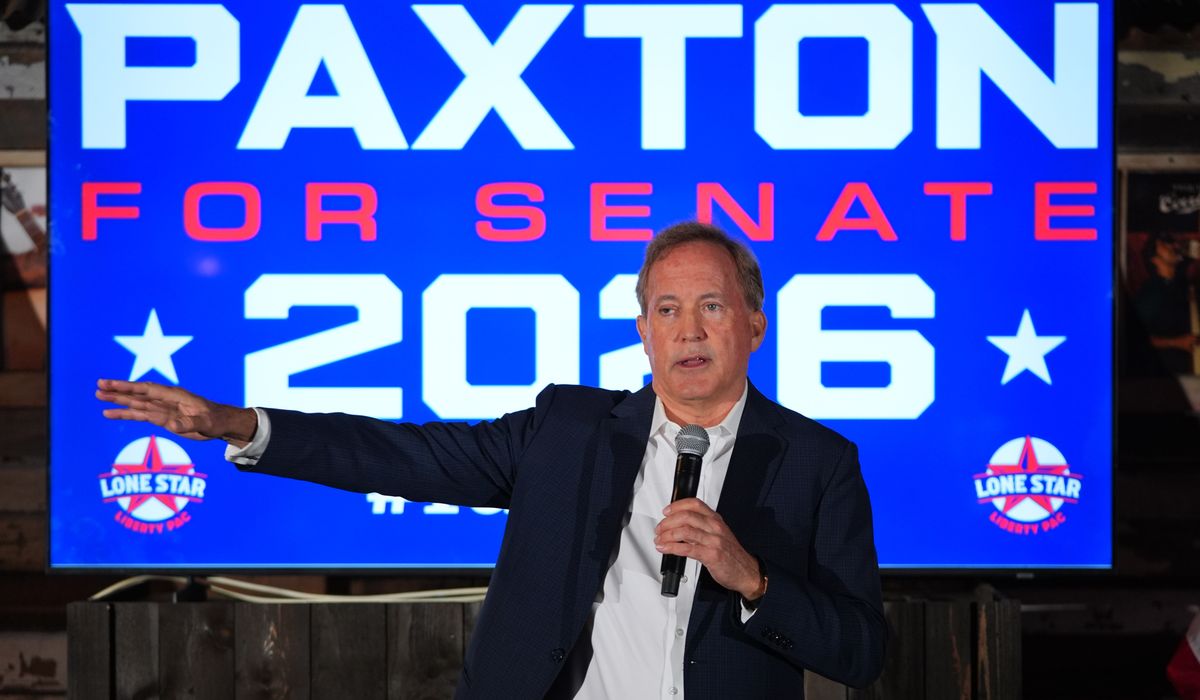
Ken Paxton defeated four-term Sen. John Cornyn in a bruising runoff on Tuesday, a high-stakes fight marked by heavy spending, sharp attacks, and a last-minute endorsement from President Trump.
Texas Attorney General Ken Paxton took down incumbent Sen. John Cornyn in a contest that felt like a referendum on the Republican establishment versus the conservative grassroots. The race was expensive and vicious, with both sides trading hardball messages and outside groups pouring resources into the final weeks. Voters turned out ready for change, and the result made clear that an insurgent conservative message still carries weight in Texas.
The campaign itself was a study in contrasts. Cornyn ran as the experienced Washington hand, leaning on his long tenure and institutional relationships, while Paxton sold himself as the fighter who would push back against federal overreach and deliver conservative priorities. That outsider-versus-insider framing defined the tone, and it pushed many voters toward a candidate they saw as unapologetically on their side.
President Trump’s late endorsement played an undeniable role in the closing stretch, energizing voters who follow his lead and signaling a clear preference from the national conservative movement. In a Republican primary environment where loyalty to bold conservative principles is rewarded, Trump’s backing helped seal momentum for Paxton. It also underlined how endorsements from high-profile national figures can shape outcomes in state contests.
Policy differences were wrapped in personality and reputation but they mattered to primary voters. Paxton emphasized border security, judicial appointments, and resistance to what he calls federal intrusion into states’ rights, pointing to his record as attorney general. Cornyn’s record in the Senate was painted as more cooperative with the Washington establishment, and that portrayal hurt him with voters who wanted firmer, more vocal opposition to the left.
Money flowed into the runoff from both local and national groups that saw Texas as strategically vital. Outside spending amplified attacks, helped shape the narrative, and made this one of the costliest intra-party fights in recent memory. Still, despite the flood of cash, the decisive factor appeared to be which campaign convinced conservative primary voters that it would stand up for their priorities without compromise.
The result reshapes the Texas Republican landscape and sends a message to incumbents around the country who have drifted toward the center. For conservatives who favor combative, unapologetic defenders of limited government, Paxton’s victory is validation that primary voters will replace perceived moderation with a clearer conservative posture. That dynamic will be watched closely in other states where GOP voters are weighing experience against ideological fidelity.
Practical challenges lie ahead for Paxton as he transitions from statewide legal fights to a Senate role that demands coalition-building as well as confrontation. The general election will require outreach to a broader slice of Texas voters while holding firm on core conservative principles that won him the primary. How he balances aggressive advocacy with the realities of Senate politics will determine whether this victory strengthens conservative influence nationally or simply reshuffles the same turf in Washington.
Republican activists in Texas now face the task of turning primary energy into sustained support for November, and party leaders will have to manage expectations about what a new senator can accomplish amid a divided national landscape. The runoff made one thing clear: the conservative base in Texas expects boldness and clarity from its leaders, and campaigns that deliver that message will keep setting the terms of debate going forward.

