

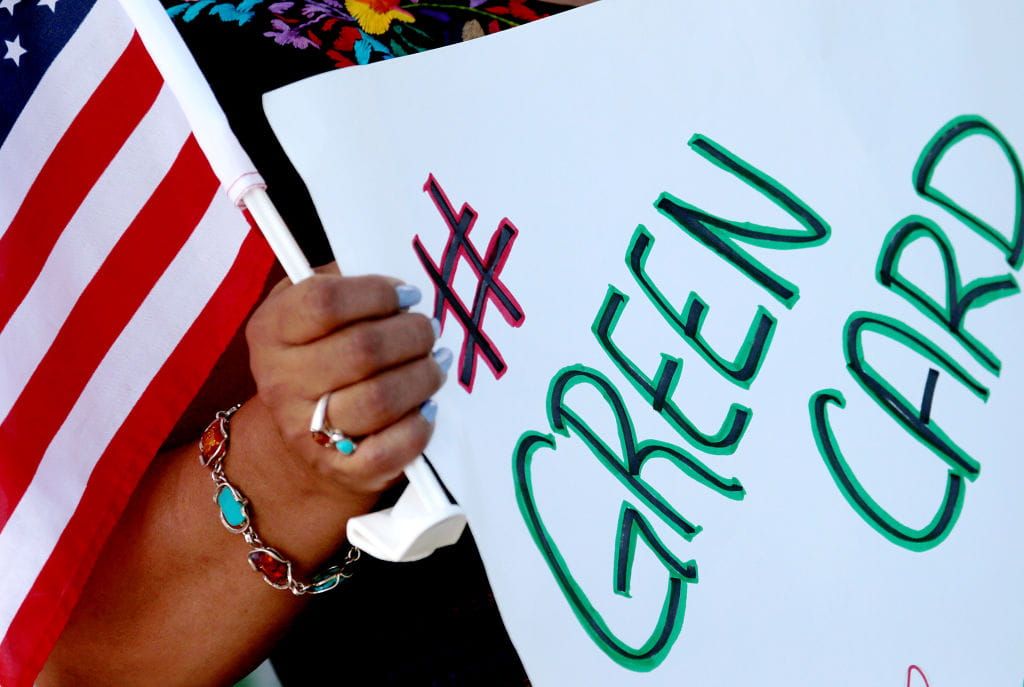
A new policy requires many visa holders to leave the United States and complete their permanent resident processing overseas, shifting the green card path back to consular posts and changing the logistics for applicants and employers alike. The move redraws the practical lines between temporary status and permanent residency, affecting families, businesses, and federal casework load across consulates. It also forces a national conversation about enforcement, fairness, and how best to protect jobs and security while managing immigration. The change will ripple through courts, agencies, and communities as people and officials adapt.
Permanent Resident applicants will now be required to go through the process in their own countries. The policy makes it clear that getting a green card is no longer an administrative extension of a temporary stay inside the United States for many visa holders. Practically, applicants who once adjusted status here will now need to leave, schedule consular interviews, and return only after approval. That redirect affects timing, risk calculations, and the entire chain of employer-sponsored immigration.
This shift is a commonsense correction for anyone who believes borders and citizenship matters should be treated seriously. For years the system allowed a blurry line between temporary work or study visas and permanent residency, creating incentives for backlogs, fraud, and overstays. Requiring applicants to process abroad restores a clear distinction between visiting and settling, and helps prevent gaming of the system by those who assume temporary status can become permanent by merely waiting inside the country.
National security and public safety get bolstered when immigration steps are taken where records and vetting are strongest. Consular posts can access local records, conduct interviews with better context, and coordinate with foreign authorities in ways that domestic adjudicators cannot. That kind of overseas groundwork reduces the chance that problematic applicants slip through, and it supports a more thorough vetting process before a person receives a permanent foothold in the United States. It is a practical use of resources to stop problems before they cross the border.
Employers and industries that rely on foreign talent will need to plan differently, but that does not mean fairness has been abandoned. Hiring companies should factor in consular appointment timelines, travel, and the possibility of temporary gaps in labor. While some workers may face delays, the rule also discourages shortcuts that undercut American workers and create unfair competition. A predictable, lawful path to residency ultimately benefits businesses that follow the rules and invest in their workforce legitimately.
The policy change raises real human issues that deserve careful handling, especially for families and vulnerable applicants. Travel to a home country can be risky or emotionally fraught for some people, and consular closures or backlogs can create hardship. Those concerns should be addressed with clear exceptions and humane processing for cases with documented dangers. Still, exceptions should not swallow the rule, and they must be narrowly tailored to prevent widespread exploitation.
Court challenges and bureaucratic friction are inevitable when rules change this decisively. Expect lawyers to file suits, advocacy groups to mobilize, and consulates to scramble as demand shifts. That is part of the democratic process, and it should proceed openly and swiftly so implementation becomes predictable. Courts will have to weigh statutory authority and administrative procedure, but policymakers should be ready to defend a stance rooted in restoring the integrity of admission and residency rules.
Politics will shape how this plays out, and Republicans should press for clarity and enforcement while remaining mindful of fairness. A strong border and clear residency rules reflect core conservative principles about sovereignty, rule of law, and protecting American labor. At the same time, we can craft sensible waivers and humanitarian paths that keep families intact without diluting enforcement. That balance—not endless loopholes—serves national interest, economic stability, and public trust in the immigration system.
Implementation will be messy at first, but the long game favors a system that separates temporary presence from permanent settlement. Officials must publish guidance, consulates should scale operations, and employers must adapt contracting and hiring timelines. If done deliberately, this policy can reduce fraud, streamline adjudications, and reinforce the idea that residency is earned through clear, orderly channels rather than assumed by default. The conversation now moves from debate to execution, and results will determine whether the change strengthens the system or just creates new backlogs.

