

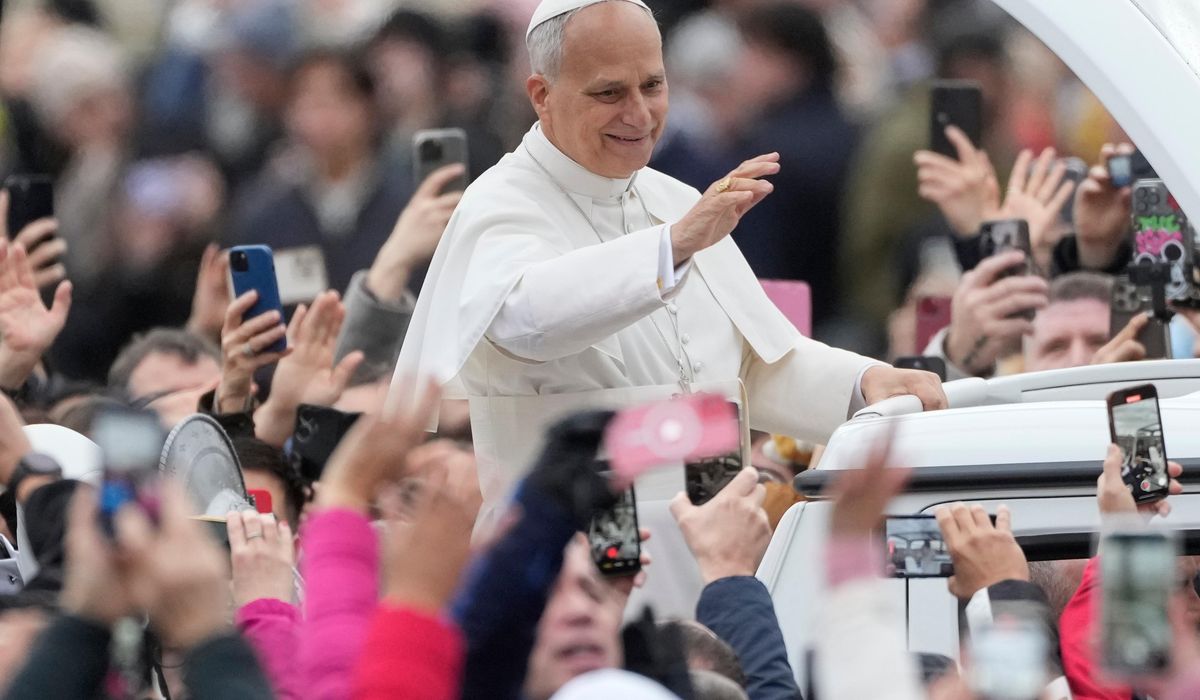
Under grey Roman skies and amid what he called a “troubled world,” Pope Leo XIV used his Christmas homilies to urge the world to recognize human fragility.
The picture of Rome under heavy skies set the stage for a homily that pushed back against certainty and boastful self-reliance. The pope returned repeatedly to the idea that life is fragile and that humility should shape how people and institutions act. That tone cut across ceremonial pageantry and asked listeners to pay attention to the vulnerable among them.
His words did not shy away from stark realities, and they were meant for more than a single congregation. The homily connected the Christmas story to the everyday fragility of families, health systems, and economic networks. By framing the season as a moment to recognize weakness, the pope invited a moral response rather than a purely liturgical one.
There was a practical edge to the message, urging compassion and concrete help for those who have been pushed to the margins. Parishes, charities, and local communities were nudged to identify gaps in care and respond where public systems fail. The appeal was simple: notice the people who need steady hands and steady hearts this season.
Cultural assumptions about strength and success came under gentle criticism in the homily, as Pope Leo XIV reminded listeners that vulnerability is part of being human. The message resisted the idea that power and comfort are the final measures of worth. Instead, it elevated mutual reliance and small acts of kindness as signs of true resilience.
The imagery used — a grey sky and a troubled world — reinforced the urgency without resorting to alarmist rhetoric. It felt like an invitation to sober reflection rather than a call to panic. That tone helped bridge the gap between lofty moral claims and the personal choices people face day to day.
Church leaders were also given a role beyond ritual: to model listening, accompaniment, and practical solidarity. The homily suggested that ecclesial institutions should be places where people can bring their real fears and not be shamed for them. Openness, not doctrinal posturing, was presented as the pathway to genuine support.
For those working in hospitals, shelters, and community centers, the pope’s words affirmed the difficulty and dignity of caregiving. Acknowledging fragility does not mean surrendering to it; on the contrary, it offers a reason to invest in responsive services. This moral framing can strengthen public will to fund and sustain essential human services.
The homily also challenged the pull of excess and distraction during the holiday season, urging a reorientation toward presence and listening. Consumer-driven celebrations often drown out quieter needs, and the pope asked people to make room for those quieter voices. That shift requires intentional choices about time, resources, and attention.
Political leaders were not named, but the implications were clear: policy and budgeting should reflect an awareness of human limits. Social safety nets, public health measures, and migration responses all touch on the fragile realities the homily described. Recognizing fragility can be a guiding principle for more humane governance and for laws that protect the weakest.
The message also reached across faith boundaries by focusing on universal human conditions rather than sectarian points. In moments of widespread uncertainty, appeals to shared vulnerability can build bridges instead of barriers. The homily leaned into that possibility, inviting cooperation rather than division.
Ultimately, the Christmas homily combined theological reflection with a call to action that is both moral and practical. It suggested that true strength shows up when people and institutions commit to caring for one another in measurable ways. That commitment, the pope implied, is how societies weather storms and lift the most fragile among them out of harm.
The season, then, became a test of priorities: whether comfort and prestige win out, or whether attention and aid are extended to those at risk. The homily pressed a single, steady point: notice fragility, respond with humility, and act with compassion. In doing so it turned a liturgical moment into a civic reminder that the measure of a community is how it treats its weakest members.

