

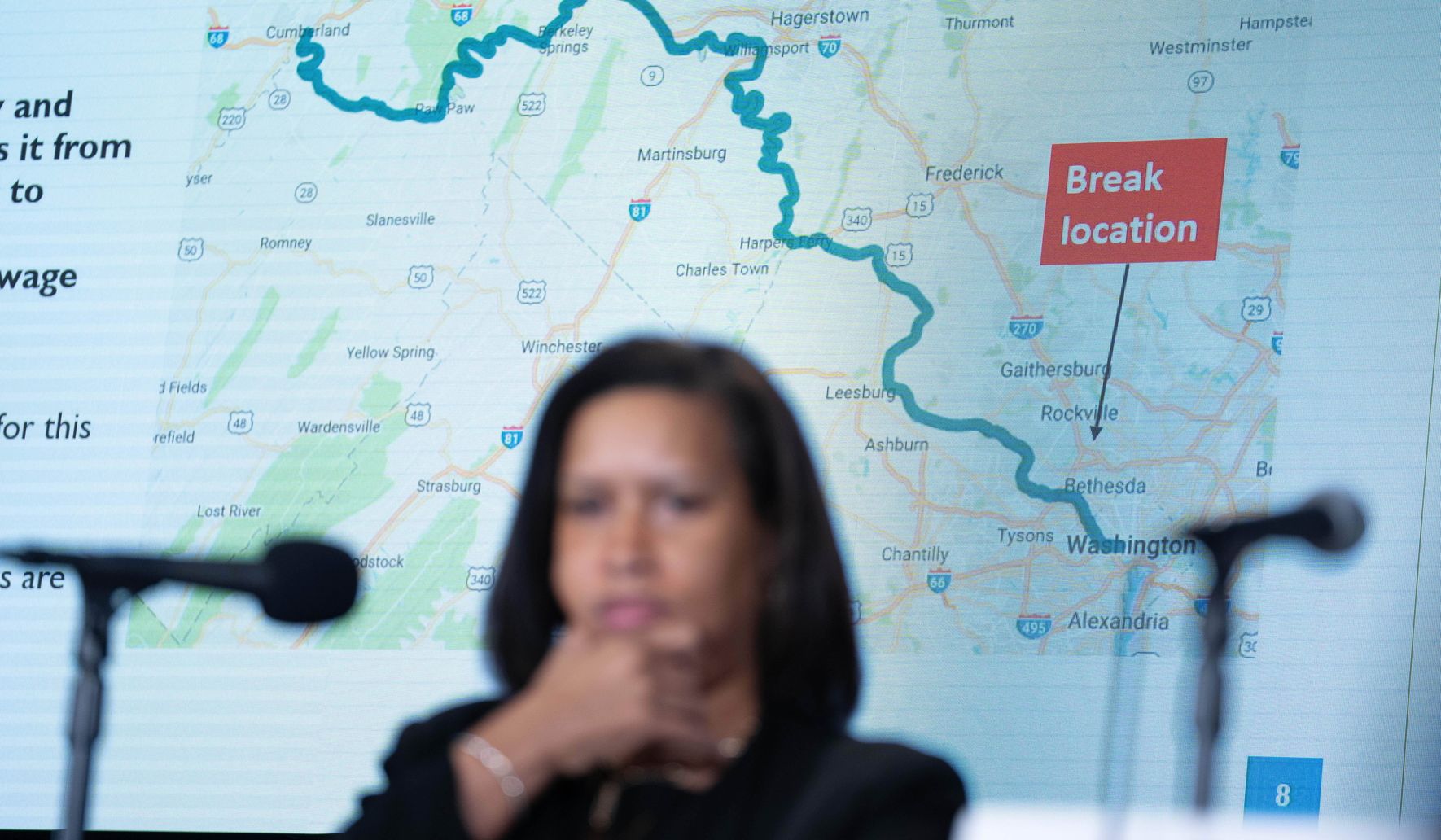
D.C. officials say the Potomac River is open again for recreational use after a January sewage spill that introduced disease-carrying bacteria into the water.
City authorities closed affected stretches and warned people to stay out of the water after tests found contamination linked to the January discharge. Public health notices went up and recreational activities were temporarily paused while crews investigated the source and scope of the problem. Now officials report that follow-up sampling shows bacteria levels have fallen back into ranges considered safe for swimming and boating.
The decision to lift restrictions followed a series of water-quality tests conducted by municipal teams and independent laboratories to track bacteria counts over time. Officials compared those readings to established recreational thresholds before allowing activities to resume. They say monitoring data indicated a consistent downward trend, which gave them confidence to reopen beaches and launch points to the public.
Contamination from raw sewage raises real health concerns because it can carry pathogens that cause gastrointestinal, skin, and respiratory illnesses. Even brief contact with polluted water can lead to stomach cramps, diarrhea, ear or eye infections, and other symptoms in sensitive people. Officials urged anyone who develops signs of infection after river exposure to seek medical advice and to tell their provider about recent contact with the Potomac.
Response efforts focused on stopping the discharge, repairing the infrastructure that failed, and clearing the immediate contamination plume. Crews worked to isolate the source, fix the damaged pipe or system, and remove debris that could keep bacteria levels elevated near shorelines. Cleanup was followed by repeated sampling to confirm that remediation actions were effective and that bacterial counts returned to safe levels for recreation.
The spill disrupted weekend plans and local events that depend on safe river access, from kayak rentals to community swim meets, and it served as a reminder of how quickly water quality can change. Businesses that rely on waterfront traffic felt the impact while authorities kept routes and facilities closed out of an abundance of caution. Now that officials have declared conditions acceptable again, operators and organizers are working to reopen services and reschedule activities in line with the updated guidance.
Looking ahead, officials say extra monitoring will continue to make sure the Potomac stays within acceptable limits and that any future anomalies are caught early. They recommend checking municipal water-quality reports before planning swims or close-contact activities, and they remind people that conditions can vary with rainfall, sewage system performance, and upstream events. Continued vigilance, regular infrastructure maintenance, and transparent reporting are key steps to prevent similar incidents and to keep the river safe for everyone who uses it.

